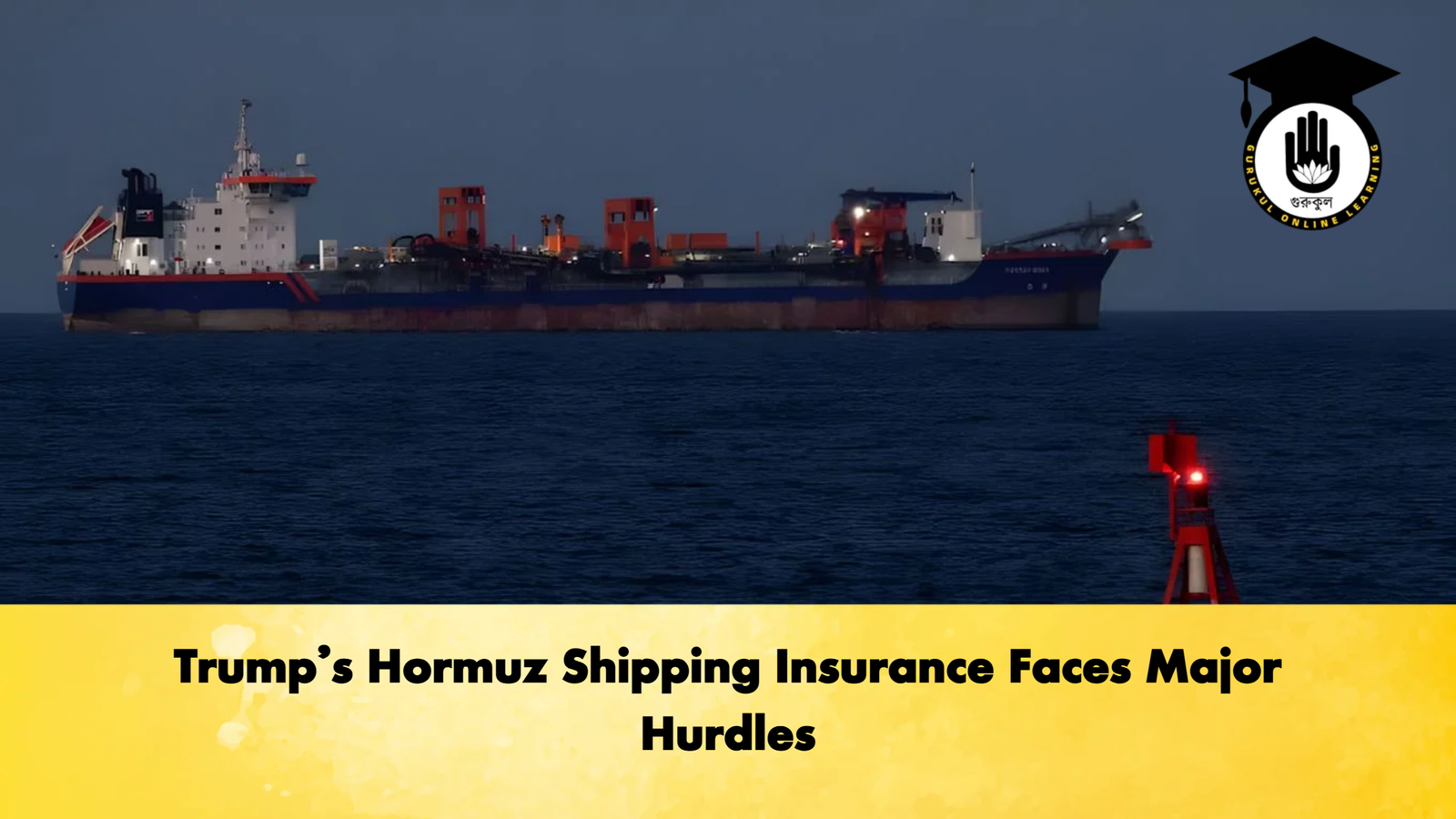
A recent report has revealed that former US President Donald Trump’s government-led initiative to provide insurance for vessels transiting the Strait of Hormuz has encountered multiple complications. The scheme was primarily designed to safeguard the uninterrupted flow of oil amid regional tensions and to stabilise global energy markets.
The proposal envisaged offering political risk insurance for ships navigating the strategically vital waterway, complemented by the possibility of deploying escort vessels from the United States Navy if required. However, US insurance companies have shown reluctance to participate. Industry analysts note that it is highly unusual for American insurers to engage directly with maritime insurance or to position themselves within the international maritime security ecosystem.
Trump himself framed the initiative on social media as a measure “to guarantee the free flow of energy worldwide.” Despite this, experts highlight the multifaceted challenges of implementation, including political risk, regional instability, and compliance with international regulations. Balancing these factors has proven particularly difficult for US insurers, who are wary of assuming significant exposure in a volatile theatre.
The report summarises the core components of the initiative and the obstacles faced, as shown below:
| Initiative Component | Description | Key Challenge |
|---|---|---|
| Political Risk Insurance | Coverage for vessel protection and compensation | Reluctance of US insurance firms to participate |
| Naval Escort | US Navy ships to accompany vessels if needed | Permanent deployment and regional coordination issues |
| International Energy Supply | Ensuring uninterrupted oil flow through Hormuz | Regional conflicts and political pressure |
| Competitive Insurance Pricing | Maintaining market-attractive premiums | Insurers’ unwillingness to accept high risk exposure |
Analysts emphasise that US government support alone is unlikely to guarantee the programme’s success. Effective implementation would require coordinated engagement from international insurance markets, robust naval security measures, and strategic diplomatic efforts. Given the scale of the challenges, the initiative is expected to face significant hurdles if pursued solely as a national programme.
Ultimately, bridging the gap between Trump’s ambitions and the US insurance sector’s hesitation will necessitate international consensus and multilateral coordination. Ensuring the Strait of Hormuz remains secure and that global energy supplies continue uninterrupted is of strategic importance, yet the practical path to realising these goals is fraught with complexity.