Extreme weather is increasing globally as the planet warms, but its impacts are unevenly distributed. Coastal states such as California and Florida are particularly vulnerable to destructive storms, while regions like Illinois are less exposed. Yet, even areas considered moderately at risk are feeling the pressure from rising insurance costs.
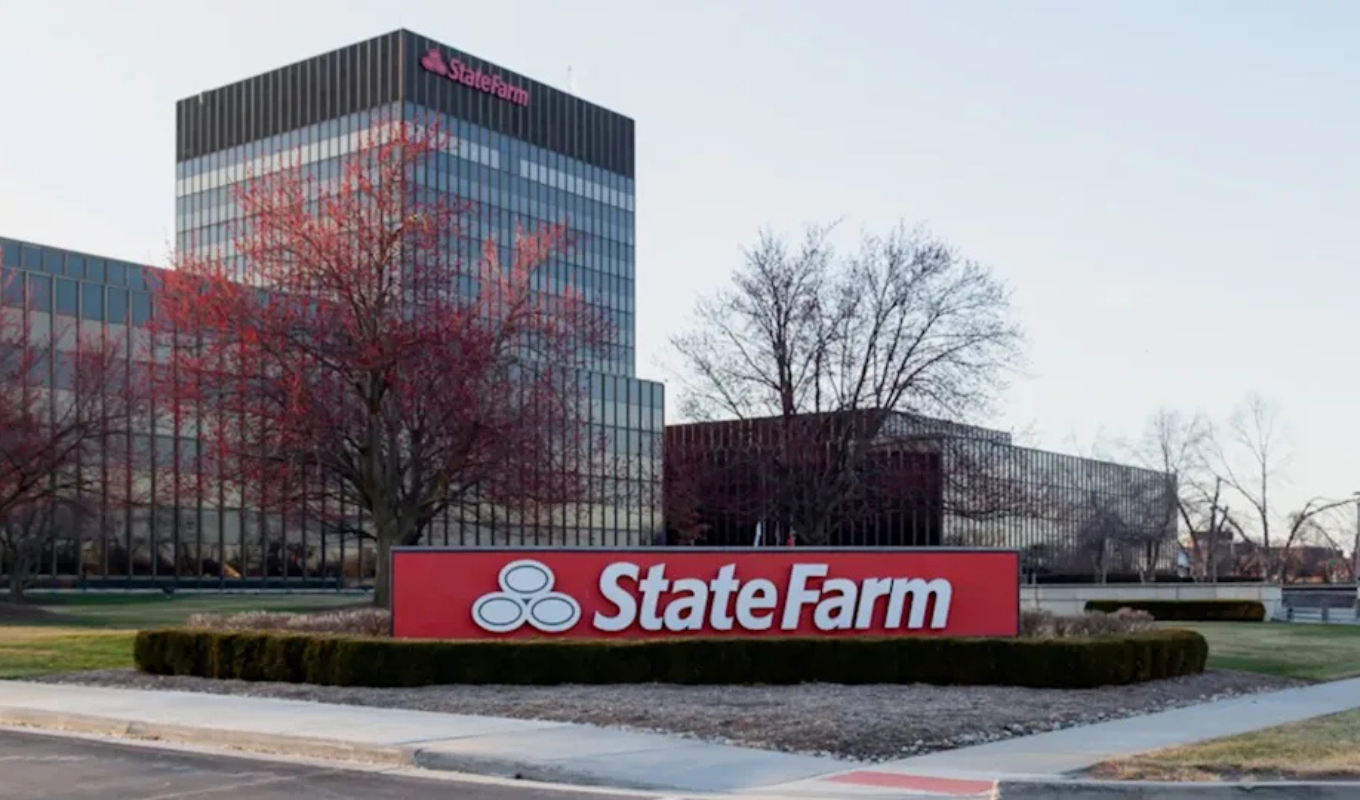
State Farm, the largest property insurer in Illinois—covering roughly one-third of the state’s homeowners—announced average rate increases of 27% this year, sparking outrage among residents and local politicians. While the company cited inflation and natural disasters as reasons for the hikes, Governor JB Pritzker criticised the move, calling it “unfair” and inconsistent with the state’s own loss calculations. He suggested that Illinois policyholders were being used to subsidise losses incurred by the company in other states and urged lawmakers to enact stronger consumer protections.
The problem is part of a broader trend across the United States. Homeowners’ insurance rates have been rising sharply, and some insurers have withdrawn from markets entirely. While rising costs and inflation play a role, experts warn that corporate profit motives are a significant driver behind many of these increases.
For residents, the consequences are serious. Some homeowners face unaffordable premiums, while others may be forced to go without coverage, leaving them financially vulnerable if their homes are damaged or destroyed. Although Illinois is not the hardest-hit state by extreme weather, storms have been intensifying, making insurance increasingly essential.
“Severe convective storms may not reach the scale of a Californian wildfire or a Category 5 hurricane in Florida, but they represent ‘death by a thousand cuts’ for homeowners,” explained Victor Gensini, an atmospheric sciences professor at Northern Illinois University.
Efforts to address these rising costs have so far stalled. A bill that would have allowed Illinois regulators to review rate increases above 10% failed to pass in October. Legislators may revisit similar proposals in January, as residents continue to grapple with soaring insurance premiums and mounting financial pressures.
This situation highlights the broader challenge of balancing climate-related risks, corporate practices, and consumer protection, particularly in states experiencing the gradual intensification of severe weather events.