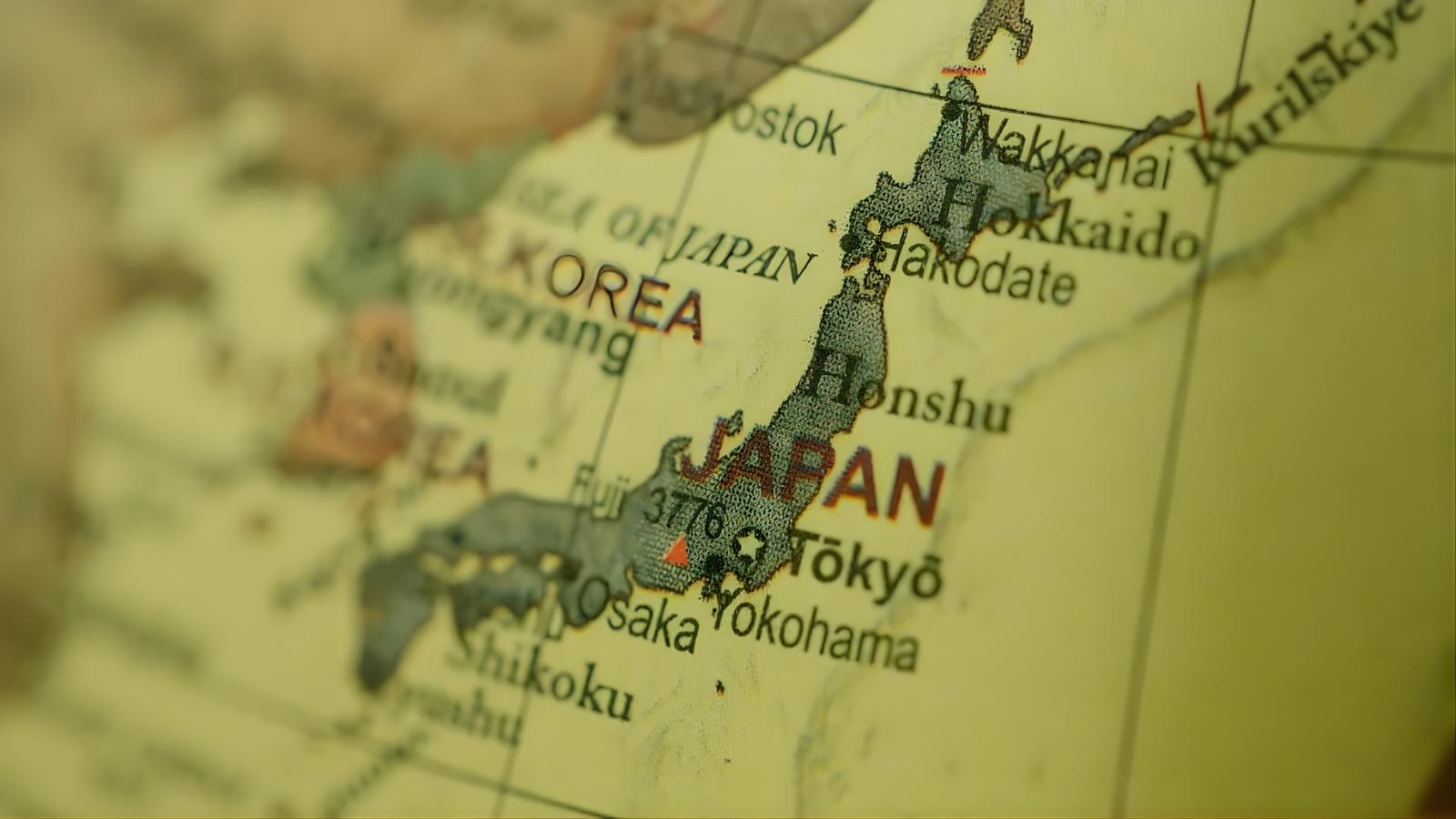
Japan’s insurance industry is bracing for potentially massive payouts, as the country faces the growing likelihood of two major earthquakes in the coming decades. The government has raised alarms over the high probability of these events, which are seen as almost certain to occur within the next 30 years. The first earthquake, predicted to strike the Nankai Trough region, has an estimated probability of 60% to 90%, while the second, expected beneath Tokyo, carries a 70% chance of occurring.
According to S&P Global Ratings, the potential financial repercussions of these quakes could be far worse than the devastating Great East Japan Earthquake of 2011. The industry is already preparing for possible insurance claims that could reach as high as $26.2bn (¥4.1trillion) in the event of a Nankai Trough earthquake, and up to $7bn (¥1.1trillion) for a Tokyo-based quake.
These figures present a significant threat to Japan’s insurance market, which recorded ordinary income of around $14.1bn (¥2.2 trillion) in fiscal 2024. In practical terms, this means a major quake could see a 45% loss ratio for the Nankai Trough scenario, and a 12% loss ratio for the Tokyo earthquake scenario. However, the impact on household earthquake insurance is expected to be relatively minor, as most of the financial risk is absorbed by the government through the Japan Earthquake Reinsurance Company.
For life insurers, the situation is less concerning. S&P forecasts that life insurance payouts could reach approximately $15.4bn (¥2.4 trillion) for a Nankai Trough earthquake and $1.2bn (¥180 billion) for a Tokyo earthquake. Given that the life insurance sector recorded profits of around $19.8bn (¥3.1 trillion) in fiscal 2024, it is expected that they would be able to absorb these additional costs, despite the scale of the disaster. In fact, life insurers proved their resilience during the COVID-19 pandemic, when they managed to pay out $8.3bn (¥1.3 trillion) in claims while still remaining profitable.
The broader economic impact, however, remains a concern. Following the 2011 earthquake, Japan saw domestic stock markets fall by approximately 15%, long-term interest rates drop, and the yen initially strengthen before intervention by authorities. S&P notes that, since then, insurers have reduced exposure to equity, interest rate, and currency risks, making them more resilient to similar shocks. However, a megaquake could still put significant pressure on Japan’s sovereign credit rating due to the extensive reconstruction costs and economic damage. Many of Japan’s insurers have large domestic asset portfolios and rely heavily on the local market, meaning their ratings are tied to the nation’s sovereign rating. A downgrade in the sovereign rating would only add to the strain on insurers’ financial health.
In conclusion, while Japan’s insurance industry has made substantial progress in strengthening its risk management frameworks, it remains clear that the financial strain caused by a major earthquake could still be significant—potentially even surpassing the losses seen after the 2011 disaster.
($1.00 = ¥155.42)