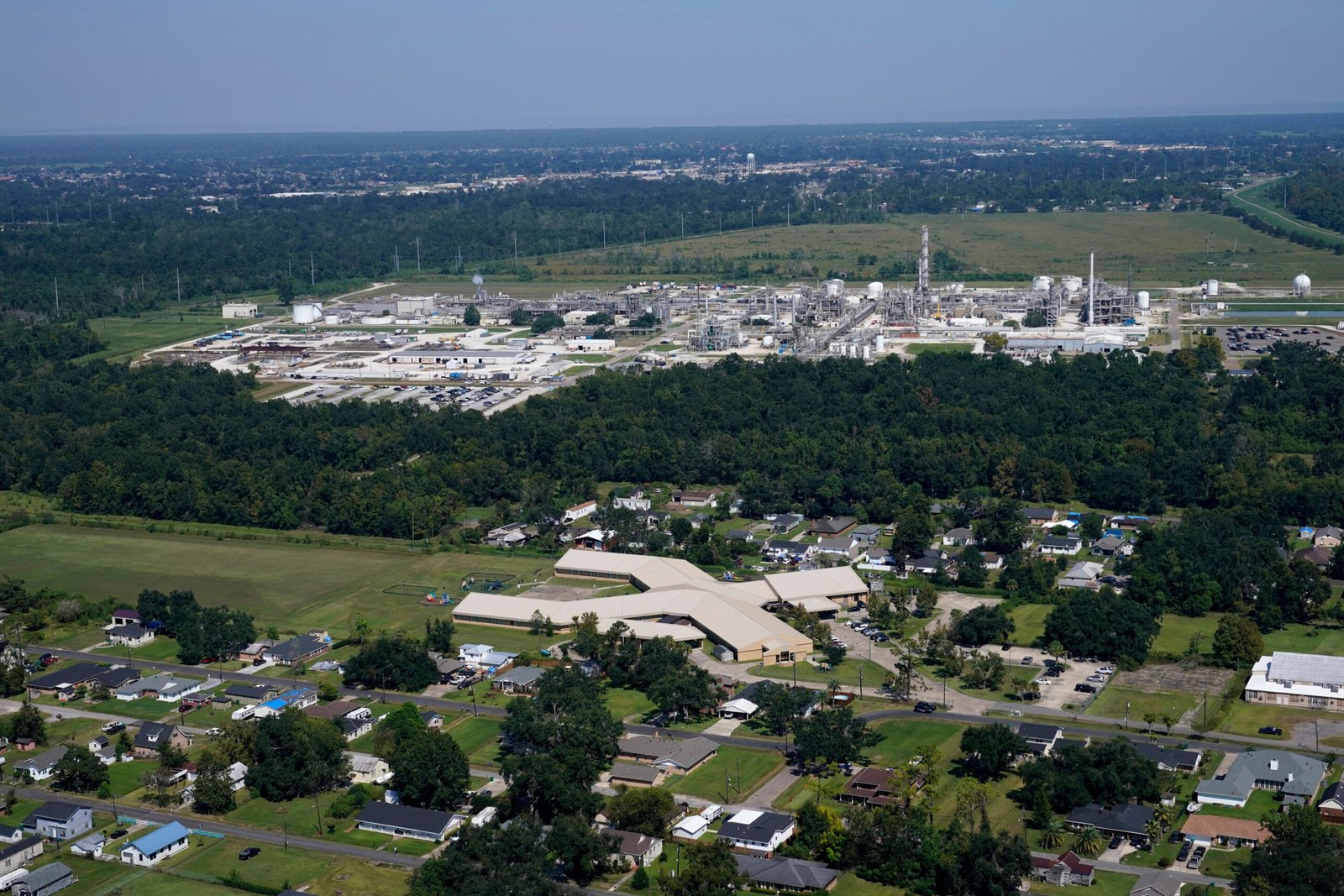
A new study warns that if pollution from burning coal, oil, and gas continues unchecked, thousands of hazardous sites across the United States are at risk of being flooded by rising sea levels by the turn of the century, posing severe health risks to nearby communities.
Researchers have identified 5,500 sites where sewage, waste, oil, gas, and other harmful substances are stored, processed, or emitted. These sites are expected to be vulnerable to coastal flooding by 2100, with much of the risk already locked in due to past emissions. More than half of these sites, however, are projected to face flood risks much sooner — by 2050.
The study also found that with moderate reductions in emissions, around 300 fewer sites would face flood risks by the end of the century.
Lara J. Cushing, an Associate Professor at the University of California, Los Angeles, who co-authored the study published in Nature Communications, said: “Our goal with this analysis was to try to get ahead of the problem by looking far out into the future.”
“We do have time to respond and try to mitigate the risks, and also increase resilience,” she added during a media briefing ahead of the study’s release. The research was funded by the Environmental Protection Agency and builds on earlier work from California.
Exposure to floodwaters near industrial sites such as animal farms or sewage treatment plants could lead to bacterial infections like E. coli, with symptoms including bloody diarrhoea, severe stomach cramps, vomiting, and fever. Those living near refineries and other industrial facilities may be exposed to heavy metals and toxic chemicals, which could cause skin rashes, irritation of the eyes, nose, and throat, headaches, or fatigue. Over time, prolonged exposure to such hazards may result in serious health conditions such as cancer, liver, kidney damage, or reproductive issues.
The study highlights the urgent need for federal, state, and local governments in the United States to prioritise hazard mitigation and collaborate on multi-stakeholder resilience planning to address the growing risks posed by rising sea levels and industrial pollution.