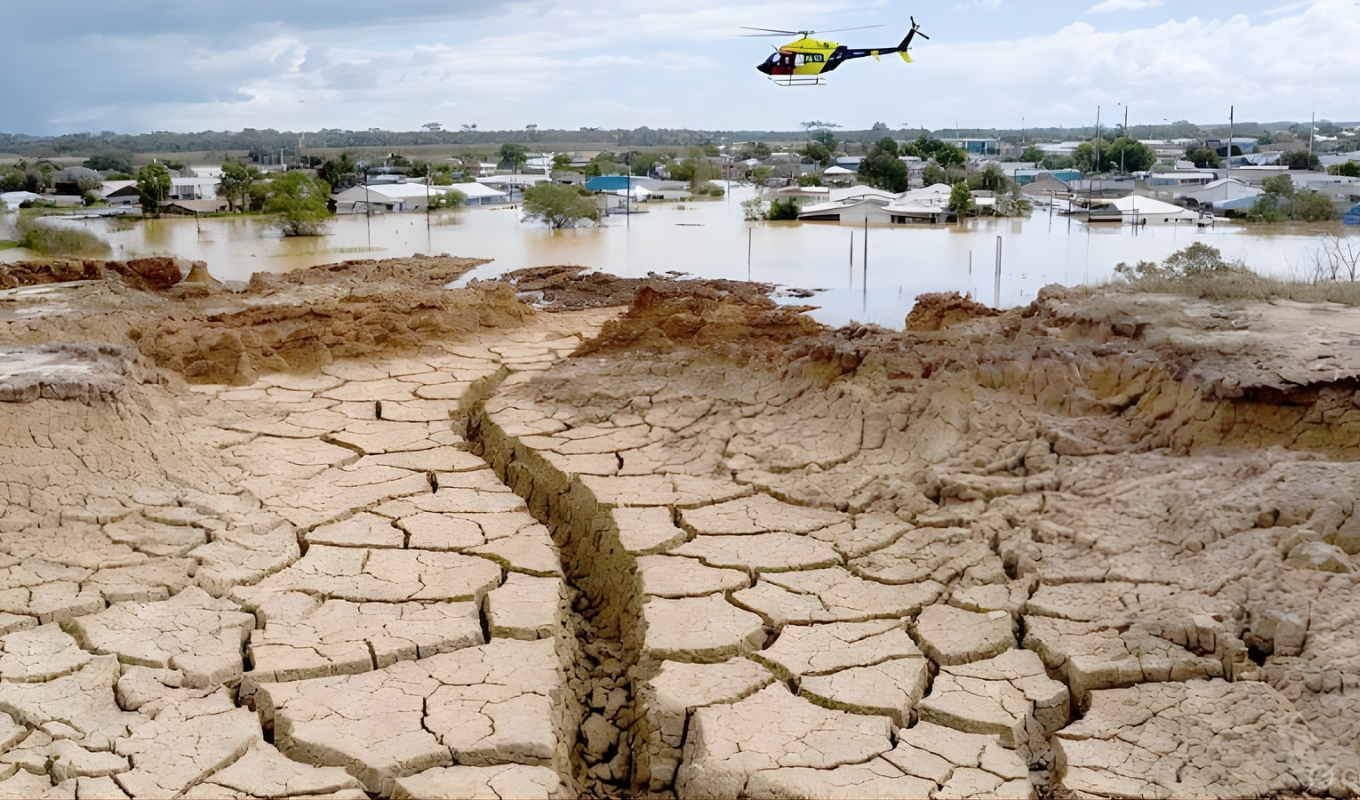
Australia is grappling with an escalating threat from climate change, with natural disasters imposing increasingly severe economic and societal burdens. A recent report by the Actuaries Institute warns that current levels of adaptation investment are inadequate, placing the nation at risk of dramatic financial and infrastructural losses over the coming decades.
According to the report, natural disasters currently cost the Australian economy approximately AUD 38 billion annually. The country is experiencing frequent cyclones, extensive flooding, devastating wildfires, and severe storms, all of which place sustained pressure on multiple sectors including agriculture, transport, energy, and property. If adaptation measures do not accelerate, these costs are projected to nearly double by 2060, reaching an estimated AUD 73 billion per year.
| Year | Estimated Annual Economic Loss (AUD Billion) |
|---|---|
| 2025 | 38 |
| 2030 | 45 |
| 2040 | 55 |
| 2050 | 65 |
| 2060 | 73 |
The report highlights that policy gaps and outdated frameworks are major contributors to this shortfall in adaptation. Traditional cost-benefit analyses often fail to account adequately for long-term risk reduction, resulting in delays for critical infrastructure projects such as coastal protection works, flood defences, fire safety enhancements, and the reconstruction of high-risk urban and rural areas. This underinvestment could undermine national stability and compromise public safety.
The insurance sector is already feeling the impact. Rising climate-related risks have led to higher premiums in many regions, while certain areas are becoming increasingly difficult or even impossible to insure. The Actuaries Institute warns that without significant investment in adaptation measures, insurance markets will face heightened volatility, which in turn may trigger broader economic repercussions.
Lead author Ramona Myrie stressed that immediate investment in climate adaptation is essential to mitigate future costs. She urged that national climate risk assessments and adaptation strategies be transformed into concrete, actionable measures. This includes rapid enhancements in infrastructure resilience, urban planning reforms, improved natural resource management, and smarter city development.
The report concludes that Australia’s long-term economic security and public safety depend on decisive action now. Failure to act risks not only escalating financial losses but also a potential crisis in sectors reliant on insurance and climate-sensitive resources.