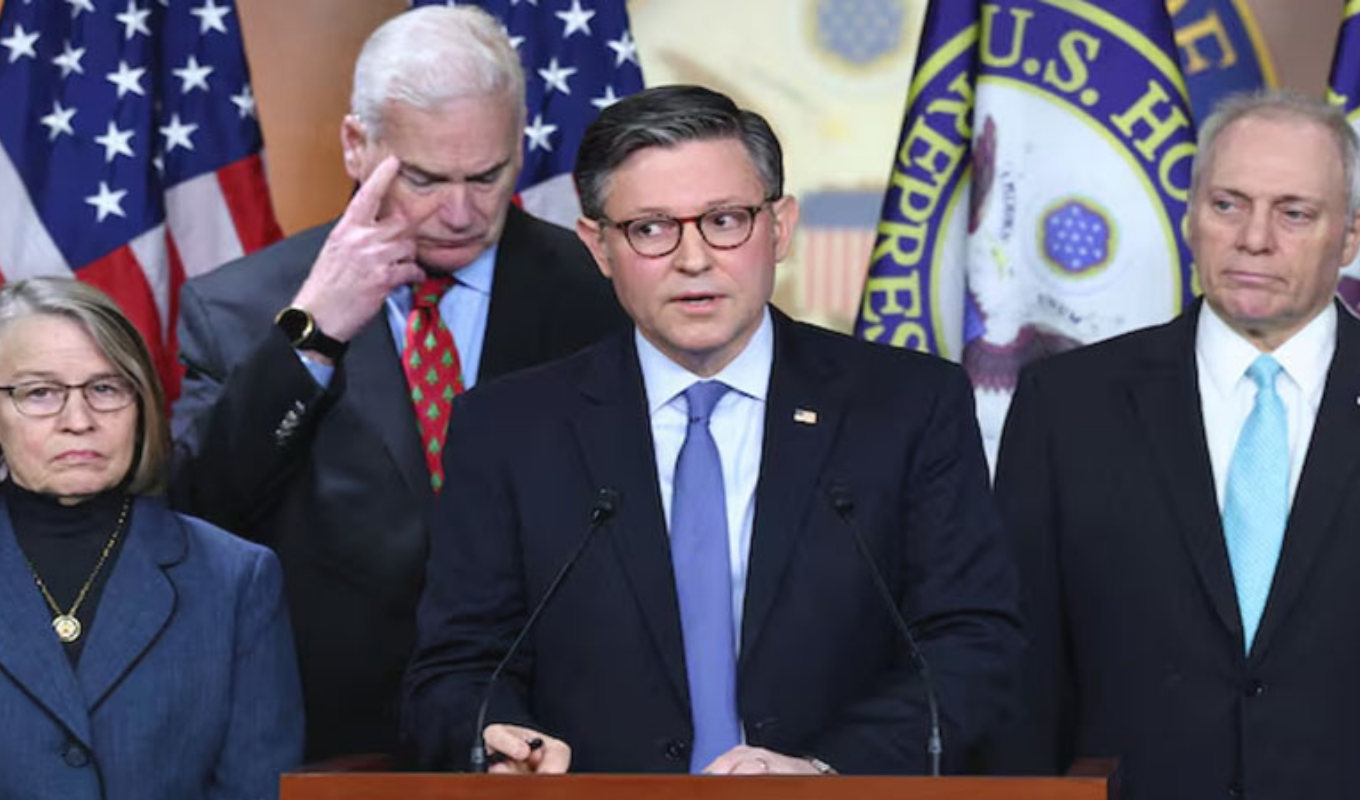
The United States healthcare system is once again teetering on the brink of an unprecedented crisis. On Wednesday, the Republican-proposed health bill narrowly passed the House of Representatives by a vote of 216 to 211, potentially bringing an abrupt end to federal subsidies under the expanded Affordable Care Act (ACA), commonly known as Obamacare, which were initially introduced during the COVID-19 pandemic. Without urgent congressional action, nearly 24 million Americans could face significant increases in health insurance costs as early as January next year.
Tensions within the Republican ranks became apparent immediately before the vote. Several members joined forces with Democrats to support a three-year extension of Obamacare subsidies. However, Republican leadership blocked this measure at the last moment through procedural manoeuvres. Initially, the House voted 204–203 to prevent the Democratic proposal from even being brought to the floor, generating considerable frustration and protest among Democratic lawmakers, who accused the leadership of prematurely ending the session.
If federal subsidies lapse, the most immediate impact will fall on the roughly 24 million Americans currently covered by ACA plans. Without intervention from Congress, premiums could rise sharply at the start of the new year, pushing monthly payments beyond the means of many households. Some individuals may be forced to downgrade to less comprehensive plans, while others could be priced entirely out of insurance. Senate Democratic leader Chuck Schumer warned that millions could face higher deductibles and co-pays, threatening access to essential healthcare services and placing undue strain on family finances.
Although the Republican bill promises structural reforms over time, it does little to address the imminent crisis. While the legislation is slated to take effect in 2027, reductions in federal subsidies could drive immediate premium increases. The bill also expands ‘Association Health Plans,’ allowing small businesses, freelancers, and self-employed individuals to purchase group insurance. Republicans argue that this will create market alternatives and curb costs, yet critics contend it does not guarantee affordable or comprehensive coverage.
Analysis from the nonpartisan Congressional Budget Office suggests that, under the proposed law, up to 100,000 people could lose health insurance annually by 2035. While federal budget deficits may decrease, the trade-off in terms of public health security remains highly contentious.
House Speaker Mike Johnson has indicated that a vote on subsidy extensions will not occur before the first week of January, leaving ordinary Americans vulnerable to rising costs at the outset of the new year. Already, the subsidy debate has ignited political tensions and could influence the 2026 elections. Without swift compromise, this policy standoff risks translating directly into financial and healthcare hardships for millions of Americans.