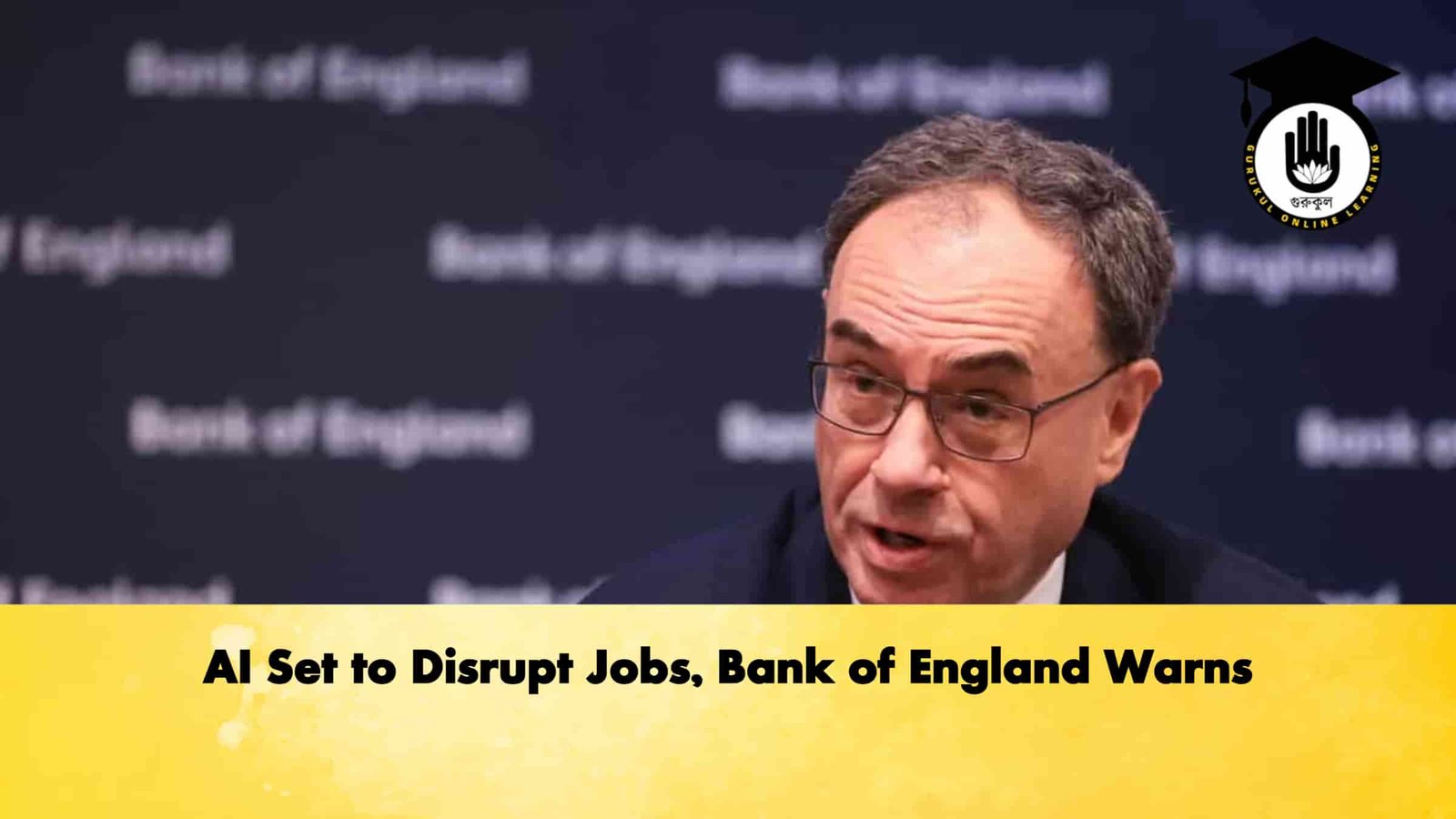
Artificial intelligence (AI) is poised to displace workers across Britain, even as it promises to boost productivity, Bank of England Governor Andrew Bailey has cautioned in his most pointed remarks yet on the technology’s societal impact.
Speaking on Friday, Bailey emphasised the urgent need for the UK to prepare for a potential wave of job displacement, particularly in white-collar roles where early signs of reduced demand are already emerging. He warned that such disruption could affect the traditional pipeline of talent, hindering the progression of younger professionals into senior positions.
In an interview with BBC Radio 4, Bailey drew parallels with historical technological shifts, citing examples ranging from the Elizabethan-era knitting machine to the industrial revolution. “We can now look back and say it didn’t cause mass unemployment, but it did displace people from jobs and this is important,” he noted. “My guess would be that it’s most likely that AI may well have a similar effect.”
Despite these concerns, Bailey expressed optimism about AI’s potential to rejuvenate Britain’s stagnant productivity growth, which has lagged in recent decades as the economy has remained caught between successive waves of innovation. Yet he also sounded a note of caution regarding the possibility of a speculative bubble in global stock markets heavily exposed to AI technologies.
Evidence is mounting that AI is beginning to reduce demand for certain roles, particularly affecting young graduates and professionals in law, finance, and consultancy. This comes amid a weakening labour market, subdued economic growth, and rising employment costs following increases in payroll taxes and the national minimum wage under the current Labour government. Recent data revealed that unemployment rose to 5.1% in the three months through October, the highest level in nearly five years.
Bailey stressed the importance of maintaining a strong talent pipeline. “We still need people to rise up through that to be senior consultants, senior lawyers, senior accountants,” he said. “I think we do have to think about, what is it doing to the pipeline of people?”
He concluded by urging a national focus on training and education. “The really important element there is that we have training, education, skills in place, and that we positively encourage and foster that so that people can move into jobs that use AI,” he explained, highlighting the need to equip the workforce for the technological upheaval ahead.