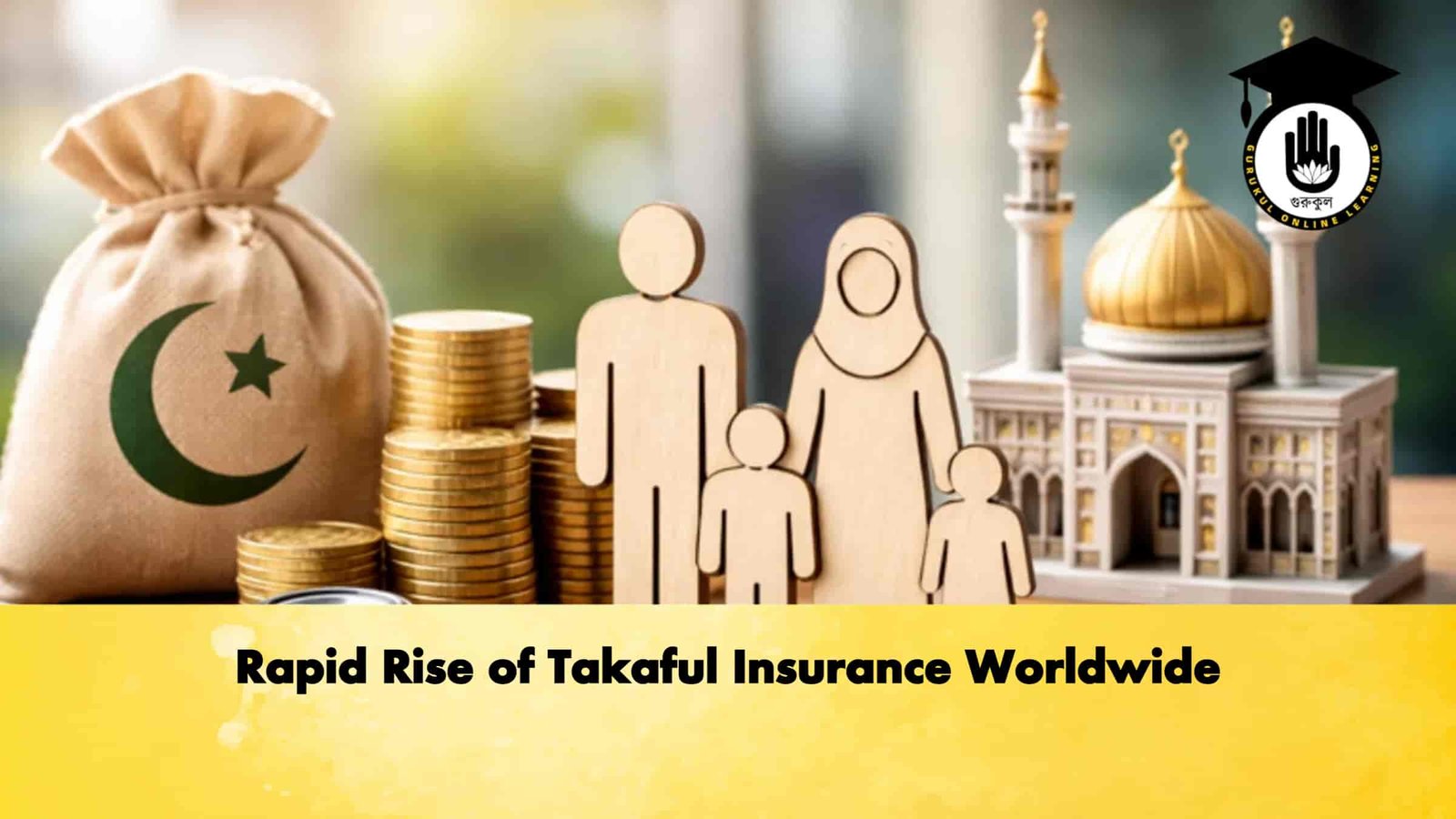
Takaful insurance is increasingly emerging as a key component of the global Islamic financial system. Essentially a Sharia-compliant alternative to conventional insurance, Takaful operates on the principles of mutual cooperation and shared responsibility, allowing participants to collectively manage risk.
In a typical Takaful scheme, participants contribute to a common pool. Should any member face a financial loss, the pool provides support, ensuring protection without contravening Islamic law. A core principle of this system is Tabarru’, wherein a portion of each participant’s contribution is considered a charitable donation used exclusively to aid members in need.
The Takaful model strictly avoids three prohibited elements under Islamic finance: Riba (interest), Gharar (excessive uncertainty), and Maisir (gambling). Operators of Takaful schemes manage the collective fund and invest it in Sharia-compliant avenues. Any surplus generated can then be distributed among participants according to predefined arrangements.
Global Market Overview
According to industry reports, the Takaful sector currently has a global market size of approximately $45 billion. Forecasts suggest a compound annual growth rate (CAGR) of 9–11% over the coming years, with the Asia-Pacific region poised to lead expansion, potentially reaching 18% growth by 2032.
| Region / Country | Current Market Position | Growth Outlook | Key Products |
|---|---|---|---|
| Asia-Pacific | Leading expansion | Up to 18% CAGR by 2032 | Family Takaful, General Takaful |
| Saudi Arabia | Established centre | Stable, regulated | Family & General Takaful |
| Malaysia | Established centre | Moderate, innovative | Family & General Takaful |
| GCC Region | Emerging markets | Supported by reforms | Family & General Takaful |
Currently, Family Takaful and General Takaful products play pivotal roles in market growth. Saudi Arabia and Malaysia remain central hubs, benefiting from robust infrastructure and effective regulatory frameworks.
Digital Transformation and Innovation
The Takaful sector is undergoing rapid digitalisation. Numerous companies are employing artificial intelligence (AI) to enhance sales, underwriting, and claims management processes. For example, Al Rajhi Takaful has gained industry recognition for deploying AI to improve operational efficiency and customer service.
Additionally, regulatory reforms in the Gulf Cooperation Council (GCC) region, coupled with international initiatives such as the United Nations Development Programme (UNDP), are helping expand Takaful coverage. These initiatives aim to increase financial protection for populations currently outside conventional insurance systems, targeting greater inclusion by 2030.
Experts highlight that, as the global financial landscape diversifies, demand for ethically grounded financial products is rising. Consequently, Takaful insurance is expected to play an increasingly important role in the global insurance sector over the coming decade.