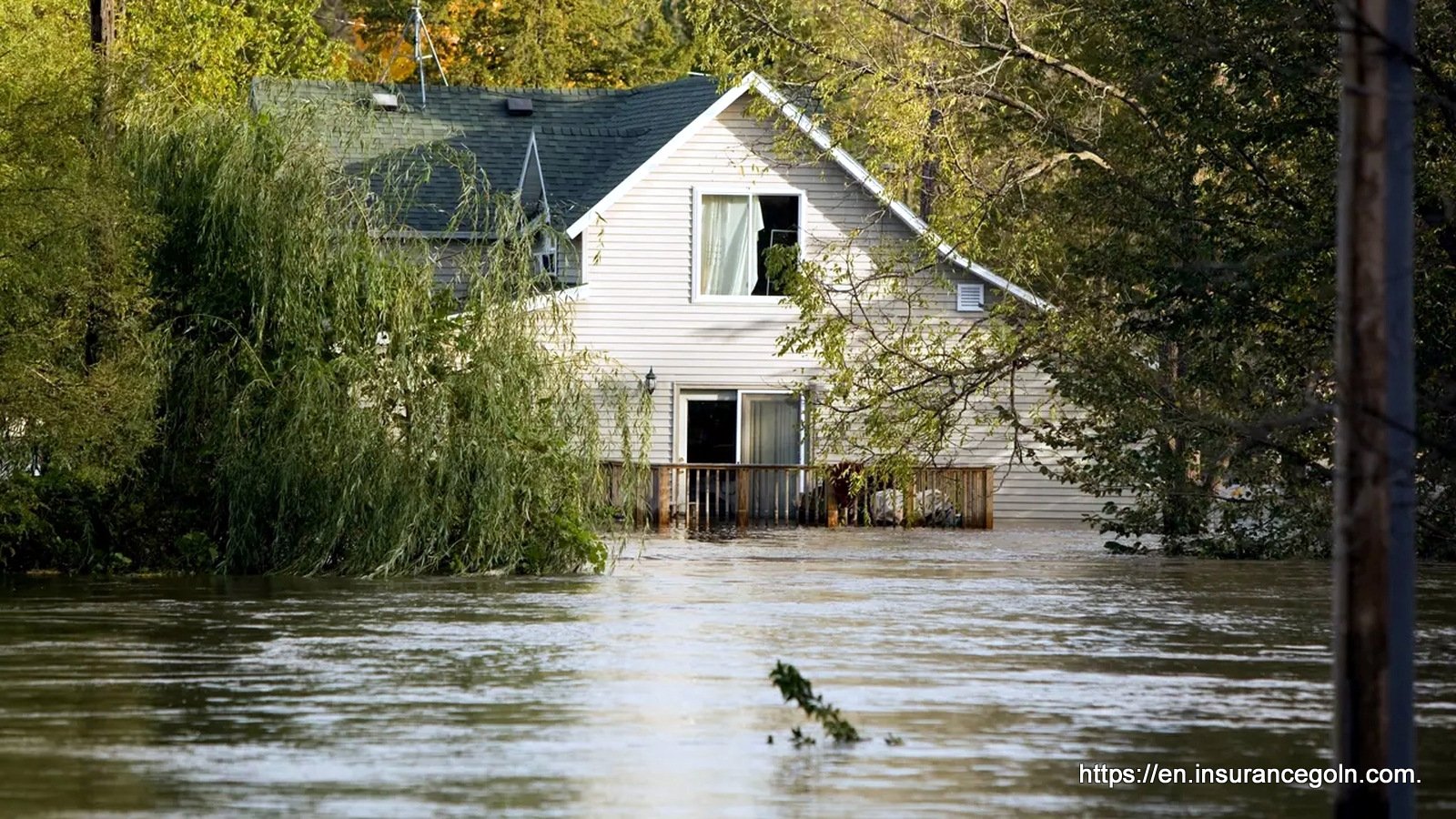
In the modern economy, a company’s value lies not only in its physical assets but also in its ability to continue operating. Factories, offices, supply chains, and digital platforms — these are all vulnerable to unforeseen events that can abruptly bring business activity to a standstill. When a fire destroys production lines, when a cyber-attack locks down servers, or when a storm closes transport routes, even a brief interruption can inflict losses far exceeding the cost of repairing the damage itself.
This is the domain of Business Interruption Insurance (BII) — a specialised form of cover that compensates companies for loss of income and additional expenses incurred due to an insured event that temporarily halts or disrupts normal operations. While property insurance restores buildings and machinery, business interruption insurance restores profitability and cash flow — the lifeblood of commercial survival.
In an increasingly volatile global environment marked by climate change, cyber threats, pandemics, and geopolitical tension, the ability to withstand operational disruption has become a central pillar of enterprise risk management. Business interruption insurance is not merely a financial tool; it is a strategic mechanism for corporate resilience.
The Essence of Business Interruption Insurance
The Purpose
Business Interruption Insurance (sometimes called Loss of Profits Insurance or Consequential Loss Insurance) provides compensation for loss of gross profit or revenue sustained when a business cannot operate due to damage to property or equipment from an insured peril.
Its purpose is twofold:
- To place the business in the same financial position as if the loss had not occurred; and
- To cover ongoing expenses — such as wages, rent, and debt obligations — that continue despite halted operations.
In essence, it transforms physical recovery into financial continuity. Where property insurance restores what was broken, business interruption insurance restores what was lost in time.
The Trigger
Business interruption insurance is not a standalone policy in most cases. It is typically an extension to property insurance or a complementary section of an industrial all-risk (IAR) policy. The coverage is triggered only when:
- Physical damage to insured property occurs due to an insured peril (such as fire, explosion, flood, or earthquake); and
- That damage causes a reduction in turnover or profit due to business interruption.
This dual trigger — physical loss leading to financial loss — is fundamental to understanding business interruption insurance.
Historical Background and Evolution
Origins in Industrial Fire Insurance
The concept of business interruption dates back to the industrial revolution, when factory owners realised that a fire might not only destroy machinery but also stop production for months. Traditional property policies covered rebuilding but not lost income during downtime.
Insurers therefore introduced “Use and Occupancy” cover, later evolving into Loss of Profits Insurance in the late 19th century. Lloyd’s of London and European markets refined these products through industrial expansion and global trade.
Expansion to Modern Perils
Today, business interruption insurance extends beyond fire and natural disasters to encompass cyber incidents, political unrest, supply chain failures, and even infectious disease outbreaks. The COVID-19 pandemic underscored its importance, though also exposed limitations where policies required physical damage to trigger coverage.
This evolution reflects the broader transformation of business risk — from tangible property to intangible operations.
Structure and Mechanics of Business Interruption Insurance
Core Coverage Components
A business interruption policy typically includes three major coverage elements:
- Loss of Gross Profit or Gross Revenue
The core indemnity is for the reduction in turnover caused by the interruption, adjusted for variable costs that do not continue during shutdown. - Increased Cost of Working (ICOW)
Additional expenditure incurred to maintain operations — for instance, renting temporary premises, outsourcing production, or using overtime — is reimbursed if it minimises overall loss. - Additional and Extensions of Coverage
- Denial of Access – covers interruption when authorities prevent access to premises (e.g., after a nearby explosion).
- Utilities Interruption – covers loss due to failure of electricity, gas, or water supply.
- Supplier or Customer Extension – covers dependency losses from damage to key suppliers or customers.
- Civil Authority and Pandemic Extensions – where included, these cover regulatory shutdowns or disease outbreaks.
The Indemnity Period
The indemnity period is the maximum duration for which the insurer will compensate loss, starting from the date of damage and lasting until operations return to pre-loss levels. Common periods range from 12 to 36 months, though complex operations may require longer. Choosing too short an indemnity period is one of the most frequent mistakes in policy placement.
Calculation of Loss
Loss calculation under business interruption insurance is a sophisticated process involving forensic accounting. The standard formula is:
Loss = (Expected Gross Profit – Actual Gross Profit) + Increased Cost of Working
Expected gross profit is projected based on prior-year performance, adjusted for seasonal trends and business growth. Accountants, loss adjusters, and insurers work jointly to validate data and ensure fair indemnity.
Underwriting and Pricing Considerations
Assessing Exposure
Underwriters analyse how vulnerable a business is to operational disruption. Key determinants include:
- Nature of Business: Manufacturing, logistics, hospitality, and energy sectors face higher exposure.
- Dependency Risks: Reliance on key suppliers, customers, or single production facilities increases vulnerability.
- Business Continuity Planning (BCP): Companies with tested contingency plans and redundant systems are viewed favourably.
- Financial Data: Stability of income and cost structures informs premium setting.
- Physical Protections: Fire suppression, flood defences, and data backups reduce exposure.
Premium Rating
Premiums are calculated as a percentage of the insured gross profit or revenue, influenced by:
- Fire and natural peril rates;
- Industry risk factors;
- Indemnity period length;
- Reinsurance costs;
- Historical loss ratios.
For example, a manufacturer in a flood-prone region with a 24-month indemnity period will pay a significantly higher rate than a diversified services company in a low-risk location.
Documentation and Disclosure
Accurate disclosure of turnover, expenses, and dependencies is critical. Misstated values can result in underinsurance, leading to reduced payouts under the average clause, where claims are proportionally reduced if the declared sum is inadequate.
The Claims Process
Notification and Initial Response
When a disruption occurs, the insured must promptly notify the insurer and provide preliminary loss estimates. Early engagement helps expedite interim payments for urgent cash-flow needs.
Role of Loss Adjusters
Specialist business interruption loss adjusters and forensic accountants assess:
- The physical cause of loss;
- Duration and severity of disruption;
- Reasonableness of mitigation efforts;
- Financial calculations of lost profit and extra costs.
Interim Payments and Final Settlement
For large claims, insurers may issue interim payments during the indemnity period to sustain liquidity. Final settlement is reached once full data and audited accounts are available.
Common Challenges in Claims
- Disputes over Indemnity Periods: Whether recovery is complete or still ongoing.
- Measurement of Trend Adjustments: Accounting for growth or decline independent of the loss.
- Concurrent Causes: Overlapping disruptions (e.g., fire followed by supply-chain delay).
- Documentation Quality: Incomplete records delay settlement.
The best defence against claim disputes is clarity in policy wording and robust record-keeping before loss occurs.
Types and Extensions of Business Interruption Insurance
Traditional (Property Damage-Linked) Business Interruption
This is the conventional model, requiring physical damage to insured property. It remains the foundation for manufacturing, retail, and real estate operations.
Contingent Business Interruption (CBI)
Covers loss due to damage at the premises of suppliers, customers, or logistics partners on whom the insured depends. CBI reflects the interconnectedness of global supply chains.
Non-Damage Business Interruption (NDBI)
Responds to losses from disruptions without physical damage, such as:
- Cyber-attacks or IT failures;
- Regulatory shutdowns;
- Power outages or transport strikes;
- Pandemic restrictions.
NDBI is the frontier of modern risk transfer but remains complex to underwrite due to ambiguity in triggers and accumulation risk.
Cyber Business Interruption
Covers revenue loss following a cyber incident that disrupts digital systems. Payouts depend on measured downtime and recovery costs. This coverage bridges traditional property and modern intangible risk.
Parametric Business Interruption
Instead of actual loss assessment, payouts are triggered by pre-defined parameters, such as earthquake magnitude or rainfall deviation. This ensures faster claims and greater transparency, particularly useful in developing markets.
Global Market Perspective
Regional Variations
- North America: Mature market with detailed wordings and litigation-driven interpretations.
- Europe: Strong regulatory oversight under the Solvency II framework; increasing interest in non-damage covers post-pandemic.
- Asia-Pacific: Rapidly growing demand, especially in China and India, as manufacturing hubs seek resilience.
- Africa and Latin America: Emerging interest through public-private partnerships to support SMEs and agricultural processors.
Reinsurance and Capital Markets
Global reinsurers (Munich Re, Swiss Re, Lloyd’s syndicates) provide backbone capacity for large exposures. Some markets experiment with insurance-linked securities (ILS) and parametric reinsurance structures to diversify capital sources for catastrophe-related interruptions.
Impact of Global Events
- COVID-19 Pandemic: Highlighted the gap between traditional and non-damage coverage, triggering global legal scrutiny.
- Climate Change: Intensified natural catastrophe frequency, driving up reinsurance costs.
- Geopolitical Disruptions: War, sanctions, and trade restrictions exposed dependencies on single regions or suppliers.
Business Interruption and Risk Management Integration
The Role of Business Continuity Planning (BCP)
Insurers reward firms with robust BCPs — documented procedures to restore operations swiftly. This includes data redundancy, alternate sites, supplier diversification, and employee safety protocols.
Interdependence with Enterprise Risk Management (ERM)
Business interruption insurance complements enterprise risk management. Insurance absorbs financial shock, while ERM mitigates operational vulnerabilities. Together, they ensure both prevention and protection.
Captive and Self-Insurance Approaches
Large multinationals often establish captive insurance companies to retain predictable interruption risks while transferring catastrophic exposures to the reinsurance market. This enhances control over claims and capital efficiency.
Case Studies and Lessons Learned
Case 1: Fire at a Semiconductor Plant in Japan
A fire at a semiconductor factory halted production for six months, affecting global electronics supply. The company’s contingent business interruption coverage allowed it to compensate customers and maintain liquidity, preventing cascading bankruptcies.
Lesson: Global supply-chain dependencies require extended coverage beyond direct property damage.
Case 2: European Flooding and Manufacturing Shutdowns
Severe floods in Central Europe caused prolonged power outages. Insurers settled extensive business interruption claims for automotive and chemical plants, illustrating the importance of accurate indemnity period estimation.
Lesson: Environmental risks are intensifying, requiring updated catastrophe models and extended coverage durations.
Case 3: Pandemic-Related Lockdowns
During COVID-19, many businesses sought claims under business interruption policies, only to find that physical damage clauses excluded pandemic closures. Subsequent legal rulings prompted insurers to develop explicit non-damage pandemic products.
Lesson: Clarity of policy language is paramount; silent coverage assumptions can lead to litigation and loss of trust.
Emerging Trends and Innovations
Data-Driven Underwriting
Digitalisation and predictive analytics enable underwriters to model downtime risk more accurately using real-time data on machinery, production, and logistics. Sensors and IoT devices now quantify disruption probabilities.
Parametric and Hybrid Solutions
Parametric BI products are growing, offering transparent, fast payouts based on measurable external indices — useful for sectors such as renewable energy and agribusiness.
ESG Integration
Sustainability-linked insurance products tie premiums or coverage terms to environmental and social performance, encouraging greener and more resilient operations.
Cyber and Cloud Dependency
As businesses migrate to digital operations, cloud service dependency introduces new systemic risks. Future BI policies will increasingly cover IT downtime and digital supply-chain interruptions.
Global Harmonisation and Standardisation
Regulators and reinsurers are collaborating to develop uniform BI wordings and data-sharing standards, reducing ambiguity and enhancing consumer protection.
Common Pitfalls and Best Practices
Pitfalls:
- Underestimating required indemnity period;
- Declaring inaccurate gross profit values;
- Overlooking key supplier dependencies;
- Assuming pandemic or non-damage coverage automatically applies;
- Neglecting business continuity integration.
Best Practices:
- Conduct comprehensive risk mapping;
- Review policy language annually;
- Engage brokers with technical BI expertise;
- Maintain accurate, auditable financial records;
- Test business continuity and recovery scenarios.
The Strategic Importance of Business Interruption Insurance
Business interruption insurance transcends its function as a claims instrument; it is a strategic enabler of stability.
For shareholders, it safeguards dividends.
For employees, it secures jobs.
For customers, it ensures continuity of supply.
For lenders, it maintains debt servicing capacity.
In macroeconomic terms, widespread BI coverage underpins national resilience — enabling industries to recover faster from catastrophes and protecting GDP continuity.
In an interconnected, just-in-time global economy, where a factory shutdown in one country can ripple through markets worldwide, the value of business interruption insurance cannot be overstated.
The Future: From Recovery to Resilience
The next evolution of business interruption insurance will align with the broader shift from risk recovery to risk resilience. Instead of reacting to loss, insurers will increasingly partner with businesses to anticipate disruption, using AI, climate analytics, and scenario modelling to prevent downtime altogether.
Hybrid policies combining parametric triggers, cyber resilience, and sustainability metrics will emerge as the new global standard. Governments, reinsurers, and technology providers will collaborate to develop shared resilience frameworks — recognising that in the 21st century, continuity is not just a corporate objective but a societal necessity.

Business interruption insurance is one of the most intellectually demanding and economically vital lines of insurance. It bridges the tangible and the intangible, turning time — the most valuable business asset — into a quantifiable risk that can be measured, priced, and transferred.
As industries evolve, risks globalise, and disruptions become systemic, this insurance will remain the cornerstone of operational continuity. Yet, its effectiveness will depend on clarity of coverage, precision of data, and the maturity of risk management practices within every insured enterprise.
The ultimate goal of business interruption insurance is not merely to pay for downtime but to ensure that businesses — and by extension, economies — never stop moving forward, no matter how severe the disruption.