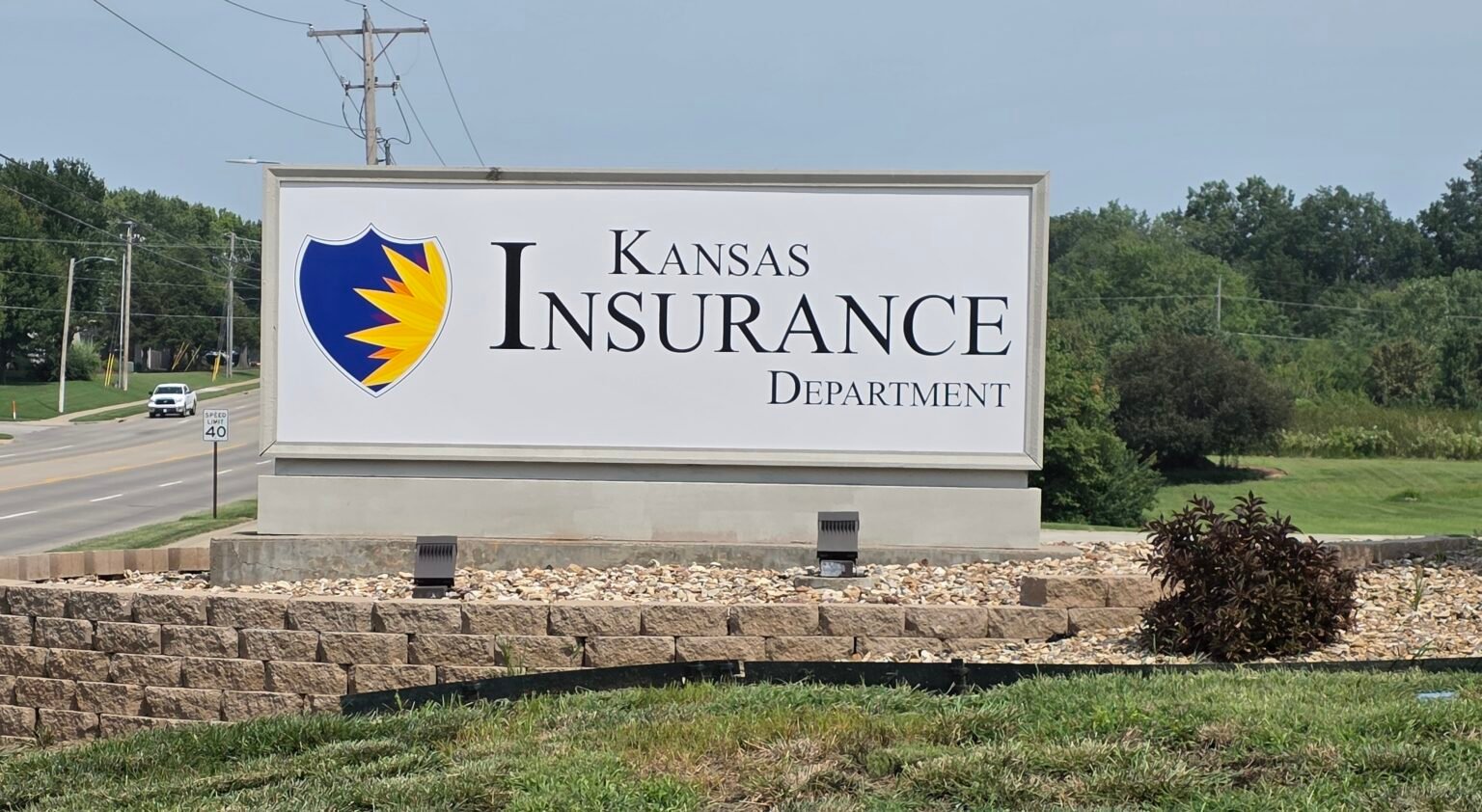
TOPEKA — Thousands of Kansans who purchase health insurance through the Affordable Care Act (ACA) marketplace are bracing for a sharp rise in their premiums for 2026 — with some expected to face increases of up to 34%. And that’s before factoring in the potential loss of federal subsidies if Congress fails to renew them.
Open enrolment for 2026 ACA plans begins on Saturday, but anxiety is already mounting as national forecasts suggest health insurance costs could double across parts of the United States.
“Premiums are rising everywhere,” explained Kyle Strathman, Deputy Chief of Staff at the Kansas Department of Insurance, noting that a range of factors — including the cost of medical care, prescription drugs, new technologies, and renegotiated provider contracts — are driving the surge.
Adding to the burden, the temporary subsidies introduced during the pandemic are set to expire. “I’m really concerned that people in the marketplace have their heads buried in the sand,” said Maci Mishler, owner of Rural Health Advisors, which operates in Ness City and Nebraska. “They’re not realising what’s about to happen.”
Steep Rate Hikes Across Insurers
The Kansas Department of Insurance’s 2026 health insurance market overview, released Thursday, lists seven insurers offering ACA coverage in the state — including one new entrant without prior rate data. Of the others, only Blue Cross and Blue Shield of Kansas City reported a decrease, with an average reduction of 6.14%.
The remaining five insurers announced the following average rate hikes for individual marketplace plans:
- UnitedHealthcare Insurance Co. – 11.74%
- Oscar Insurance Co. – 14.44%
- Blue Cross and Blue Shield of Kansas Inc. – 16.65%
- Medica Insurance Co. – 30.76%
- Ambetter from Sunflower Health Plan (Celtic Insurance Co.) – 33.66%
For small business ACA plans, premiums are projected to rise between 8.4% and nearly 10%.
The number of Kansans using the ACA marketplace has grown steadily, reaching 200,000 in 2025, up from 171,000 in 2024 and just under 99,000 in 2017.
Yet officials warn that higher costs could drive thousands away from the market. “If people start leaving ACA plans for short-term or group options, enrolment could decrease significantly,” Strathman cautioned.
Fewer enrollees would be “a serious blow,” Mishler added. “Insurance companies depend on scale to spread risk — when participation drops, prices rise even further.”
Hospitals Sound the Alarm
A potential exodus from health coverage is worrying healthcare providers. Cindy Samuelson, spokeswoman for the Kansas Hospital Association, said that uninsured residents often delay care until emergencies arise.
“When people lose insurance, they stop getting preventative healthcare,” she said. “Then they end up in the emergency room — and those costs are uncompensated.”
Rising uncompensated care could further strain Kansas’s already fragile hospital network. According to a March 2025 report from the Centre for Healthcare Quality and Payment Reform, 25 rural hospitals in Kansas are at immediate risk of closure — the highest number in any U.S. state.
Everyday Kansans Feel the Squeeze
For many residents, the premium increases are not just numbers — they’re life-altering.
Laura Mead, a self-employed Kansan, said she is “terrified” of what’s to come. At 60, she currently pays around $1,100 a month for ACA health coverage — with subsidies offsetting an additional $327. Without congressional action, she fears her premiums could double to nearly $2,000 a month.
“For the first time in my adult life, I’m facing a real prospect of not having health care,” Mead said.
She is now considering a catastrophic plan, which offers minimal cover except in severe emergencies. But navigating the ACA marketplace is “incredibly confusing,” she said, adding that even local congressional offices seem unaware of how the changes will hit constituents.
In Holton, small business owner Carolyn McKee shared a similar story on Facebook after receiving notice that her Blue Cross and Blue Shield plan would jump by $700 per month. Her post drew over 40 comments within an hour, many from other self-employed Kansans — including farmers — reporting that their premiums had doubled.
Roughly 27% of Kansas farmers rely on ACA marketplace plans for their health insurance, according to industry estimates.
The Return of the Subsidy “Cliff”
Beyond the immediate rate hikes, Mishler warned of a looming “subsidy cliff” that could financially devastate many families.
Before the COVID-19 pandemic, anyone earning above 400% of the federal poverty level was ineligible for ACA subsidies. During the pandemic, Congress temporarily expanded the benefit, allowing even higher earners to qualify for partial assistance.
“That expansion is ending,” Mishler said. “If someone earns even one penny over that 400% threshold, they’ll have to repay every bit of the subsidy they received at tax time.”
She noted that for self-employed Kansans — particularly farmers whose incomes fluctuate — this could lead to thousands of dollars in unexpected tax bills.
Political Turmoil Deepens the Crisis
The subsidy issue has become entangled in Washington’s budget standoff, contributing to a partial federal government shutdown.
Democrats have refused to back a spending bill unless Republicans agree to extend the ACA subsidies. Republicans, meanwhile, accuse Democrats of using the standoff to “fund healthcare for undocumented immigrants” and continue “pandemic-era Obamacare subsidies.”
However, federal law clearly states that undocumented immigrants are ineligible for ACA marketplace coverage.
Governor Laura Kelly, speaking Friday in her capacity as Chair of the Democratic Governors Association, called on Congress to act swiftly.
“We are at a dire inflection point,” she said. “Twenty-two million Americans will see their premiums increase by an average of 75%, and 42 million people will lose SNAP benefits and go hungry because D.C. Republicans sold them out at the behest of Donald Trump.”
Kelly warned that rural communities will bear the brunt of the crisis. She cited the recent cancellation of Freeman Health System’s plans to build a hospital in Frontenac, Kansas, as evidence of worsening economic pressure.
Freeman Health confirmed three weeks ago that the project had been shelved, citing “unfavourable conditions” linked to changes in the federal One Big Beautiful Bill Act.
A System on the Brink
As Kansans prepare for open enrolment, uncertainty looms large. Without renewed subsidies, many will face impossible choices: paying soaring premiums, downgrading to minimal cover, or abandoning insurance altogether.
For residents like Laura Mead, the consequences are personal. “I’ve done everything right — saved, worked, stayed insured — and now I might lose it all because Congress can’t agree,” she said.
With hospital closures looming, rural economies weakening, and political gridlock in Washington, Kansas’s unfolding insurance crisis is becoming a warning to the nation: when healthcare becomes unaffordable, everyone pays the price.