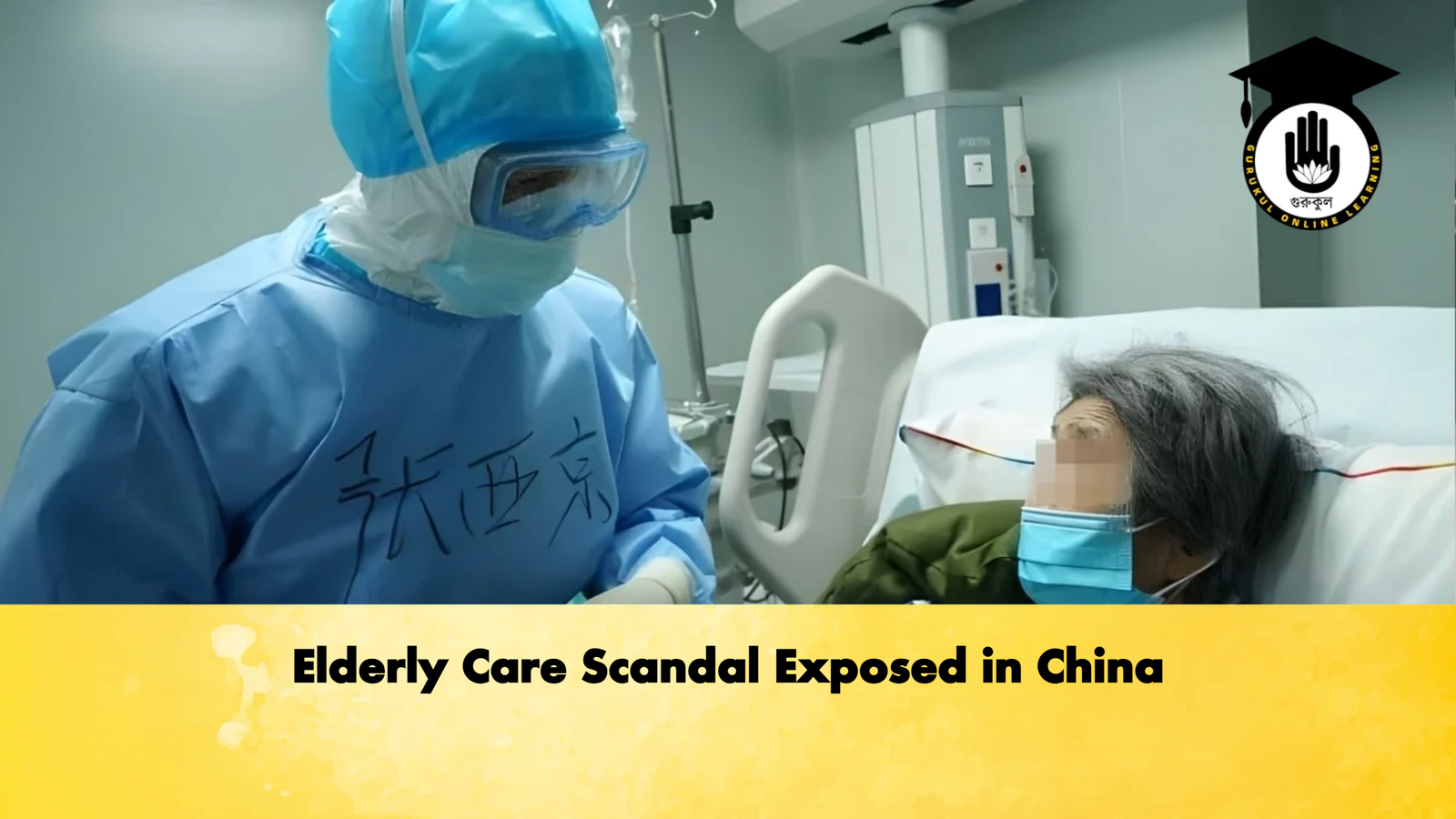
China’s rapidly ageing population has long been viewed as a looming social and economic challenge. A recent investigation, however, has revealed a darker and more disturbing dimension of this crisis: the systematic exploitation of elderly people through fraudulent mental health institutions and the large-scale plundering of public health insurance funds. The findings expose how fragile the country’s elderly care and social security systems remain, and how easily they can be manipulated by organised criminal networks. Most tragically, the principal victims are poor, isolated and socially marginalised older citizens.
According to an investigative report published by a leading Chinese media outlet, at least a dozen private psychiatric hospitals operating in the cities of Xiangyang and Yichang in Hubei province have been admitting “patients” through highly questionable means. Individuals were registered as suffering from mental illnesses without undergoing any proper medical diagnosis. In many cases, elderly people were enticed with promises of free accommodation, regular meals or small cash payments. Once admitted on paper, hospitals claimed that these individuals were receiving comprehensive psychiatric treatment.
In reality, these institutions allegedly charged the state health insurance system approximately 140 yuan per patient per day, siphoning off large sums of public funds. Undercover investigations revealed that while some facilities housed only a handful of residents, official records showed more than a hundred patients. The majority of those falsely admitted were elderly villagers and individuals with alcohol dependency, many of whom had no genuine mental health conditions.
Even more alarming are allegations concerning the conditions inside these hospitals. Former patients and whistle-blowers described widespread physical and psychological abuse. Some elderly residents were reportedly forced to clean hospital premises, bathe other patients or perform menial labour. Legal safeguards were frequently ignored: in several cases, individuals were admitted without the consent of their families or without following mandatory legal procedures.
Once confined, leaving proved extremely difficult. Some elderly people remained trapped for years, cut off from their families and the outside world. Limited communication and fear of retaliation further compounded their vulnerability.
Experts argue that these abuses reflect deep structural weaknesses in China’s elderly care framework. Traditional expectations place the responsibility for elder care squarely on families, particularly adult children. Yet in many rural areas, pensions are minimal, public services are scarce and younger generations have migrated to cities for work. Entire villages are now populated mainly by older people living alone, creating fertile ground for exploitation.
Unless urgent reforms are undertaken, analysts warn that similar scandals are likely to multiply as the population continues to age. Without affordable alternative housing, accessible mental health services, robust local oversight and transparent management of health insurance funds, the protection of China’s elderly risks becoming an increasingly hollow promise.
Key Findings at a Glance
| Category | Details |
|---|---|
| Affected areas | Xiangyang and Yichang, Hubei province |
| Type of institutions | Private psychiatric hospitals |
| Claimed daily treatment cost | Around 140 yuan per patient |
| Primary victims | Poor, isolated elderly people and individuals with alcohol dependency |
| Main allegations | Fake admissions, insurance fraud, physical and psychological abuse |
The scandal has reignited debate over how China can safeguard its most vulnerable citizens in an era of unprecedented demographic change, and whether its social protection systems are equipped to meet the demands of a rapidly greying society.