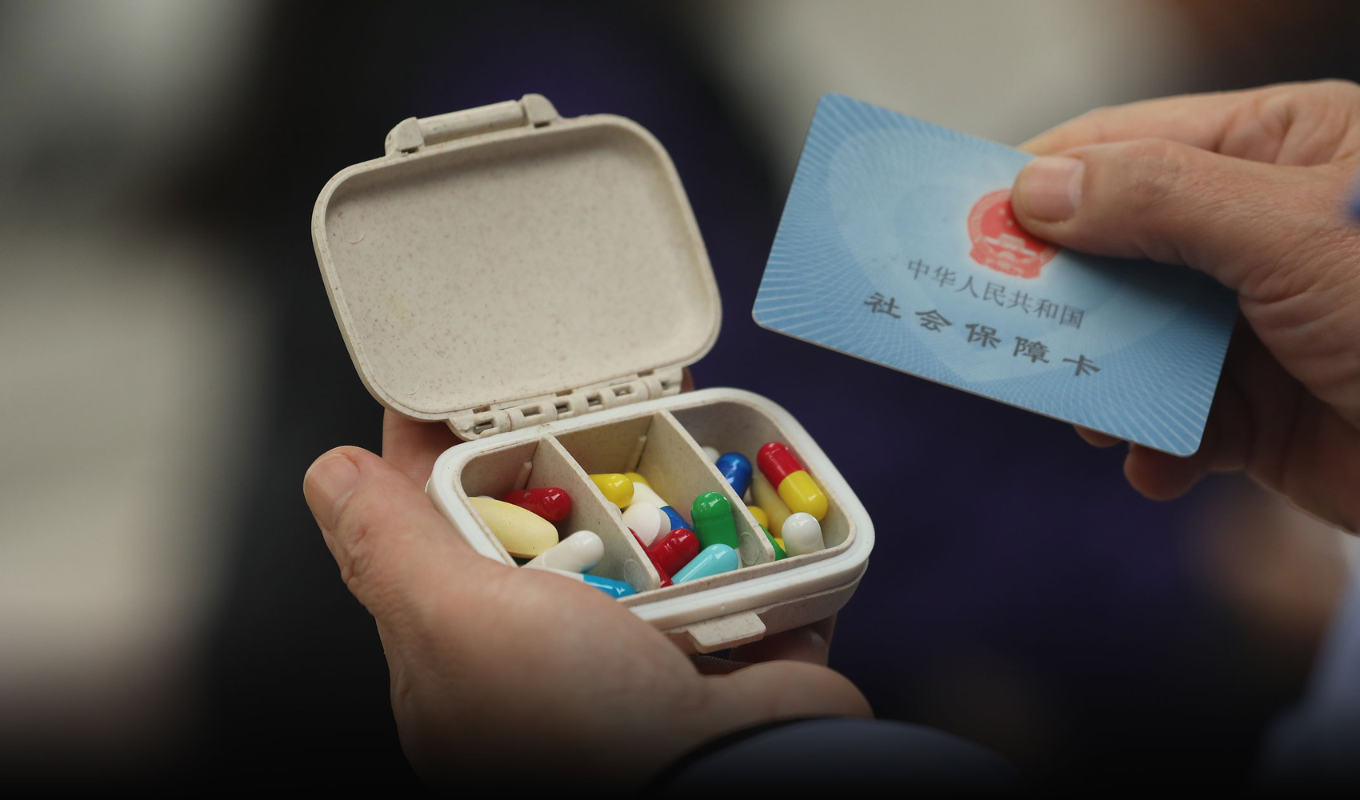
China’s National Healthcare Security Administration (NHSA) has announced a major expansion of its national medicine reimbursement list for 2025, adding 114 new drugs to improve access to essential healthcare treatments. The updated list is aimed at filling gaps in basic insurance coverage and reducing the financial burden for patients suffering from severe illnesses, including triple-negative breast cancer, pancreatic cancer, and lung cancer.
The revision also benefits patients with rare diseases, such as Langerhans cell histiocytosis and chelator-intolerant thalassemia, as well as those managing chronic conditions including diabetes, hypercholesterolaemia, and autoimmune disorders. The new policy is set to take effect on 1 January 2025 and is expected to enhance medical coverage for millions of people across the country.
The NHSA reported that 88 percent of candidate drugs were successfully included in this year’s update, marking an increase from 76 percent in the previous round. Among the newly listed medicines, 50 are Category 1 innovative drugs, reflecting ongoing progress in original drug development and China’s commitment to supporting cutting-edge therapies.
In addition to the basic insurance fund update, the NHSA has also released a commercial health insurance innovative drug directory. This list includes 19 high-cost medicines not covered by basic insurance, such as CAR-T therapies, treatments for rare diseases, and drugs for Alzheimer’s disease. The introduction of these drugs is expected to complement national insurance coverage and provide additional treatment options for patients requiring specialised care.
With this latest revision, China’s national reimbursement list now comprises a total of 3,253 medicines, significantly improving coverage for cancer treatment, chronic disease management, mental health services, rare diseases, and paediatric healthcare. Experts suggest that this expansion will not only make life-saving medications more accessible but also promote equity in healthcare provision across urban and rural areas.
Summary of Key Updates
| Category | Number of Drugs | Notes |
|---|---|---|
| Total medicines on reimbursement list | 3,253 | Covers cancer, chronic disease, rare diseases, children |
| Newly added drugs (2025) | 114 | Expands basic insurance coverage |
| Category 1 innovative drugs | 50 | Reflects progress in original drug development |
| High-cost drugs in commercial insurance | 19 | Includes CAR-T therapies, Alzheimer’s, rare disease drugs |
| Candidate drug inclusion success rate | 88% | Up from 76% in previous year |
The expanded reimbursement list is expected to ease financial pressures on patients and families, promote timely access to essential medications, and encourage further development of innovative treatments within China’s pharmaceutical sector.