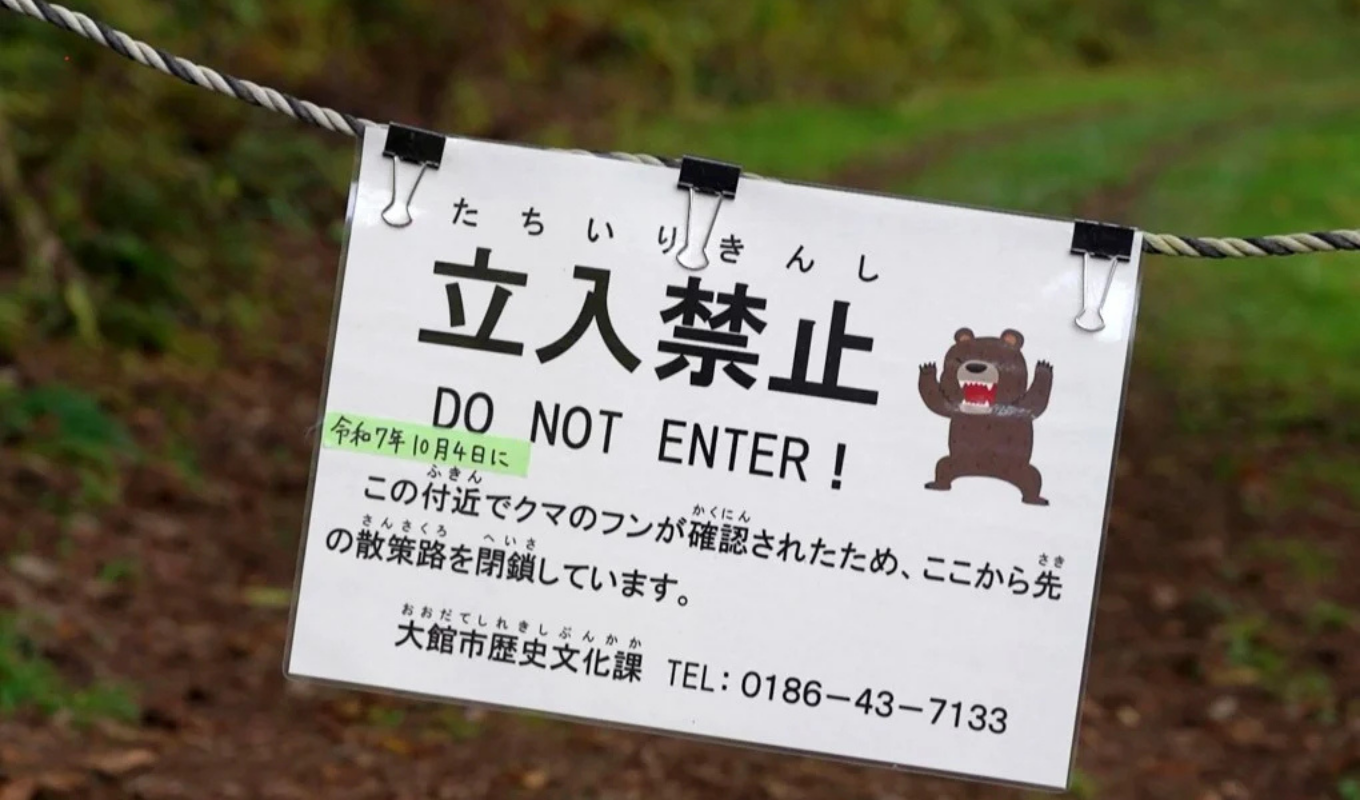
Travel insurers and industry representatives in Hong Kong are urging travellers heading to Japan to ensure they have comprehensive travel insurance and follow local safety warnings due to a surge in bear attacks. Authorities have temporarily closed several popular tourist sites, such as Senshu Park in Akita and Shirakawa-go in Gifu, following a rise in bear encounters.
According to Japan’s Environment Ministry, there were a record 20,792 bear sightings between April and September, the highest since tracking began in 2009. Since April, there have been at least 13 fatalities and more than 100 injuries related to bear attacks. In October alone, there were 88 attacks, resulting in seven deaths, marking unprecedented figures. Akita prefecture has been particularly affected, with 56 incidents and three deaths reported during this period.
Insurance Conditions and Exclusions
Chan Pui-leung, general manager at China Taiping Insurance (HK), emphasised that while travel insurance generally covers unexpected incidents, including animal attacks, policyholders must adhere to local warnings. “If travellers enter areas marked with high bear sightings or closed to the public, their insurance may be voided, as this would no longer be considered an accident but a knowingly risky behaviour,” Chan explained.
He advised travellers to carefully review their insurance plans, particularly in relation to accident protection and emergency assistance, given the high cost of medical treatment abroad.
Industry Response and Travel Adjustments
Travel agencies have begun adjusting itineraries and advising clients on safety measures. Yuen Chun-ning, CEO of WWPKG, noted that closures of certain destinations were in line with official guidance. “If the Japanese government fails to address this situation by spring, we may focus more on travel routes such as Kyushu and Okinawa,” he said.
Steve Huen Kwok-chuen, executive director at EGL Tours, assured customers that their tours do not currently include affected areas but recommended avoiding walking alone, especially near rural hot spring hotels. “While sightseeing in groups is generally safe, we advise staying within the hotel grounds in suburban areas,” Huen added.
Travellers’ Perspectives and Safety Precautions
Despite the risks, some Hong Kong travellers are continuing with their plans. Wong Hok-yuen, who is set to travel to Fukuoka, shared, “We plan to stay in the hotel and enjoy the hot springs in the evenings. We won’t wander around unnecessarily, and while my family advised postponing the trip, I’m not too worried as long as we remain cautious.”
Travel experts advise maintaining awareness of surroundings, avoiding distractions like mobile phones, and staying calm and quiet if encountering a bear.
Inconsistent Travel Insurance Benefits for Older Adults and Children
The rise in bear attacks has also prompted calls for Hong Kong travellers to secure the right insurance coverage. A recent report by the Hong Kong Consumer Council, however, highlighted significant discrepancies in the travel insurance benefits offered to older adults and children. The council’s review of 27 single-trip travel insurance products from 11 providers found that benefits for seniors and minors were often limited or reduced.
The council found that 92% of the plans reviewed had lower benefit caps for “medical expenses” and “personal accidents” for these age groups, with some plans cutting coverage by as much as 75%. The council has urged insurers to reassess their offerings for these demographics to ensure adequate protection.