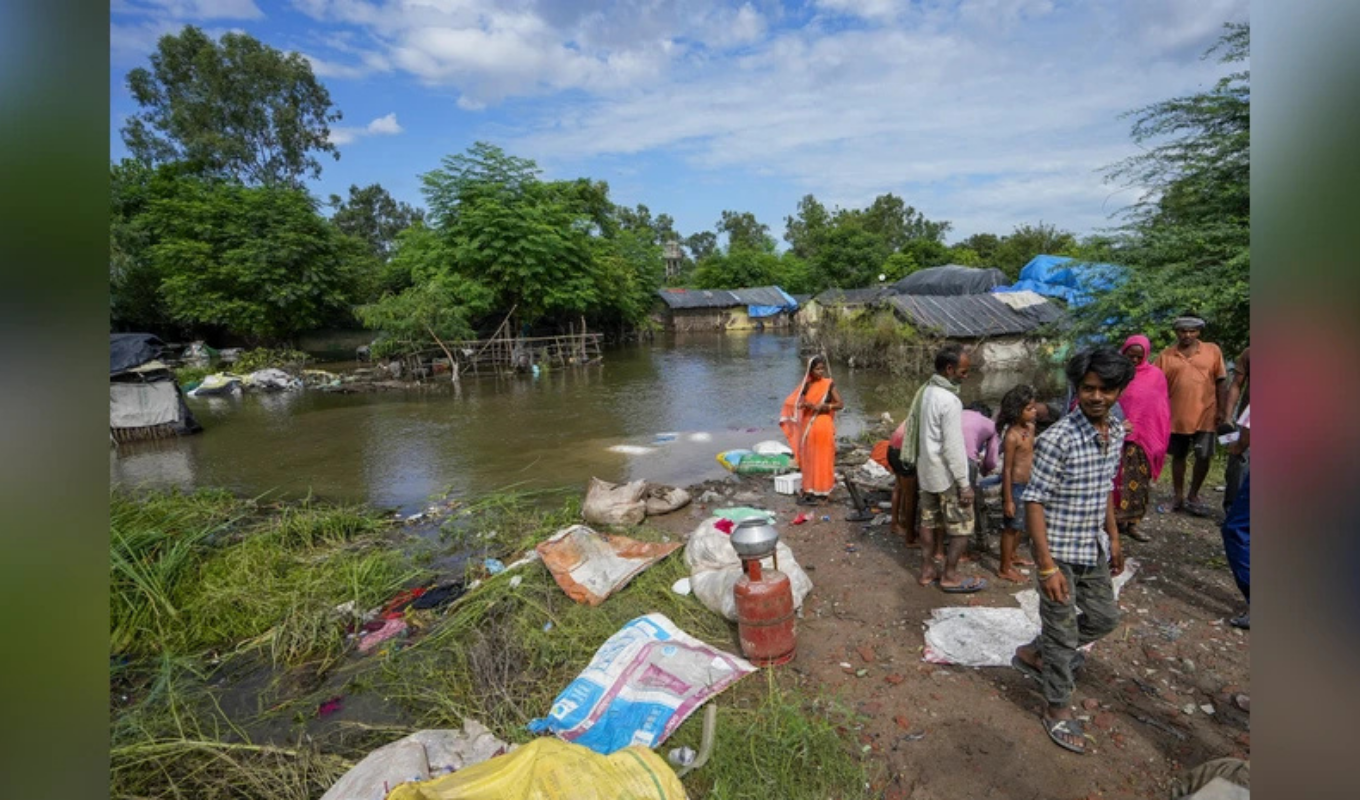
As climate change accelerates, India is facing increasingly severe weather events, leading to widespread destruction and loss of life. With over 80,000 fatalities and economic damages amounting to approximately $180 billion between 1993 and 2025, India ranks as the sixth most vulnerable country to climate risks, according to the Germanwatch Global Climate Risk Index 2025.
The impact of climate change is felt by millions, particularly in rural areas, where livelihoods are often dependent on agriculture. Whether through floods in Uttarakhand, heatwaves in Rajasthan, or crop loss in Punjab, the financial fallout of climate disasters is vast. In response, the Indian government is drafting a climate-linked insurance scheme to provide financial protection for those most affected by these events.
What is a Climate-Linked Insurance Scheme?
Though still in its early stages of development, the climate-linked insurance scheme aims to offer quick and effective compensation for individuals affected by extreme weather events. According to a Reuters report, the policy will operate using a parametric insurance model, which is designed to streamline the payout process by removing the need for a detailed assessment of damage.
Features of the Climate-Linked Insurance Scheme
The climate-linked insurance scheme is designed with a range of features to ensure rapid assistance in the aftermath of disasters:
- Fast and Direct Payouts: By eliminating the need for on-site damage assessments, the scheme ensures quicker and simpler payouts for claimants.
- Focus on Vulnerable Areas: It targets areas most at risk from climate change, such as those prone to floods, heatwaves, and droughts.
- Parametric Model: This model triggers payouts based on specific climatic events or thresholds, rather than assessing the extent of individual losses.
What is the Parametric Insurance Model?
Parametric insurance, also known as the index-based model, is a type of policy that provides payouts based on the occurrence of specific predefined events, such as reaching a certain temperature or seismic threshold. Unlike traditional insurance, which assesses the actual damages incurred, parametric insurance pays out a set amount once a defined event occurs.
For instance, if an earthquake with a magnitude of 7.0 strikes Haryana’s Gurugram district, the insured party would receive a payout, regardless of the actual damage sustained. Similarly, if temperatures in Rajasthan’s Churu district exceed 50°C, the insured individual would be compensated.
How Does the Scheme Benefit Vulnerable Communities?
The climate-linked insurance scheme is particularly beneficial for communities in high-risk areas. Take Uttarkashi in Uttarakhand, where floods are a recurring issue. The scheme would offer vital financial support to businesses and residents in the region, helping them recover from frequent climate disasters.
One of the major advantages of the parametric model is the speed of payouts. Traditional insurance policies often involve lengthy assessments, delaying compensation for individuals who urgently need funds to recover. In contrast, the climate-linked insurance scheme aims to provide fast relief by automating the claims process based on predetermined criteria.
Global Examples of Climate-Linked Insurance Schemes
India is set to become the first major economy to introduce a nationwide climate-linked insurance scheme. However, smaller countries have already begun adopting similar models. Fiji, for example, launched its own climate-linked insurance scheme in 2021, becoming the first Pacific nation to do so.
Fiji’s scheme also follows a parametric insurance model and offers coverage for natural disasters like cyclones and floods. The scheme provides payouts within a month of the event and covers multiple events within a policy year, with the total payout capped at 100% of the sum insured. Additionally, payments can be made digitally via MPaisa or MyCash wallets, ensuring ease of access for citizens.
Why India Needs the Climate-Linked Insurance Scheme
India’s population, combined with its exposure to climate change, makes it especially vulnerable to the effects of global warming. The World Bank has stated that India is already experiencing a warming climate, with changing rainfall patterns, more frequent droughts, and the depletion of water resources. The frequency and intensity of extreme weather events are on the rise, placing increasing pressure on both individuals and infrastructure.
Ramaswamy Narayanan, chairperson of state-run reinsurer GIC Re, told Reuters, “We’ve seen the frequency and severity of adverse climate events go up, and based on that, this discussion with the government also started.”
The need for this scheme is underscored by a survey conducted by ZestyAI in 2025, where 61% of property and casualty executives reported that the insurance industry was failing to adapt quickly enough to the challenges posed by climate change.
Climate Change and Its Impact on India
Climate change is contributing to a host of environmental challenges in India, ranging from more frequent heatwaves to the migration of people from disaster-affected areas. In addition to extreme weather, climate change is exacerbating issues such as groundwater depletion, melting glaciers, and rising sea levels.
For India’s farmers, who are increasingly facing crop failures due to erratic weather, the new insurance scheme promises crucial protection. The country’s vast rural population, especially in regions prone to flooding, drought, and heatwaves, stands to benefit from timely payouts that can help mitigate the economic damage caused by these disasters.
What is Climate Change?
Climate change refers to long-term changes in temperature and weather patterns, primarily driven by human activities such as the burning of fossil fuels. The increase in greenhouse gases, including carbon dioxide and methane, is causing the Earth’s atmosphere to warm, which leads to rising global temperatures, melting ice caps, and shifting weather patterns.
The term “climate change” was first used in its modern context by American geochemist Wallace Broecker in 1975, and has since become central to global discussions about environmental policy.
The Road Ahead
India’s climate-linked insurance scheme is an important step in addressing the country’s growing climate vulnerabilities. While the rollout of the scheme is still in progress, it has the potential to serve as a model for other nations grappling with similar climate risks. By providing timely financial support to those most affected by climate change, the scheme aims to help build resilience against future climate shocks.
As the world faces increasing climate-related challenges, it is crucial that innovative solutions, like climate-linked insurance, become an integral part of the global response to the climate crisis.