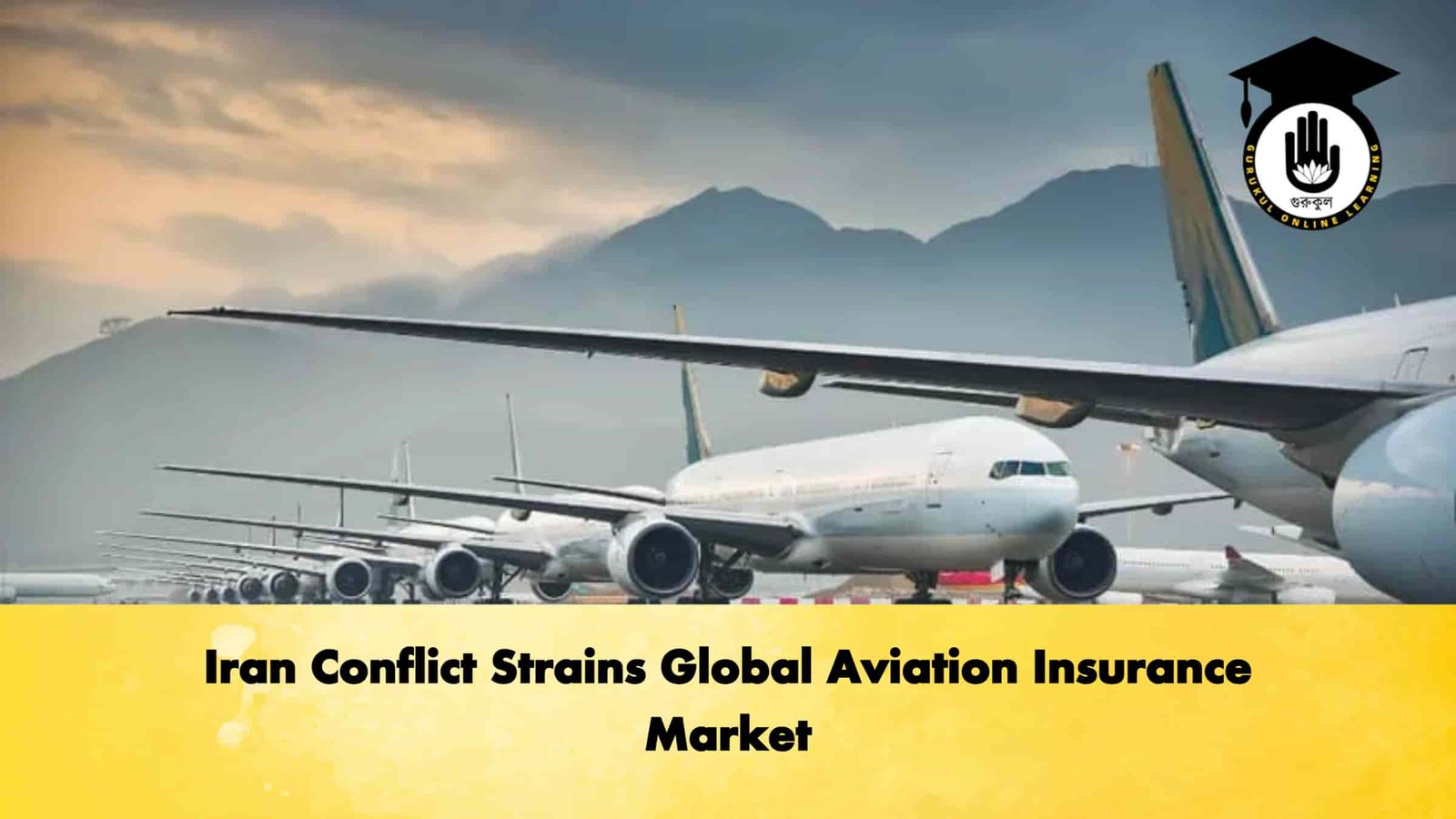
The intensifying conflict involving Iran is placing significant strain on the global aviation insurance market, with implications for underwriting, pricing, and risk management across major international hubs, according to global law and insurance firm Kennedys. Analysts warn that rising geopolitical tensions are transforming aviation insurance into a critical pressure point, highlighting both immediate operational disruptions and deeper structural challenges in the war risk segment.
Airspace Disruptions and Operational Pressures
Airlines operating routes between Asia-Pacific, Europe, and the Middle East—many of which traverse strategic hubs such as Singapore, Dubai, and Doha—are facing rerouted flight paths, extended journey times, and increased fuel consumption. These operational changes elevate risk exposure, complicating underwriting models, and prompting insurers to scrutinise any aircraft flying in or near conflict zones more closely.
“This escalation forces carriers to reconsider flight plans and insurers to reassess their exposures in real time,” noted a Kennedys spokesperson.
War Insurance Market Complexity
The aviation war insurance sector is already under pressure, still grappling with unresolved claims and capacity shortages following Russia’s invasion of Ukraine in 2022. The emergence of another major geopolitical hotspot is expected to exacerbate these stresses. In the immediate term, insurers may respond by cancelling policies, revising terms, and adjusting premiums, particularly for hull war coverage, passenger liability, and third-party liability insurance.
Reinsurers are likely to reassess their exposure accumulations, potentially reducing capacity and enforcing stricter underwriting conditions globally. For primary insurers reliant on international reinsurance, this could translate into higher renewal costs, which are typically passed on to airlines and other aviation operators.
Wider Implications Across Aviation
Kennedys emphasises that the ripple effects extend across the entire aviation ecosystem. Airlines, airports, aircraft lessors, and logistics providers may confront rising insurance costs and heightened operational uncertainty. While standard travel insurance policies generally exclude direct war-related claims, indirect losses—such as delays, cancellations, and business interruption—are likely to increase, placing additional strain on adjacent coverage areas.
The overall impact will hinge on the duration and geographic spread of the conflict. Short-term instability may be manageable if key aviation corridors remain open, but prolonged conflict could trigger sustained market tightening, forcing insurers and reinsurers to recalibrate risk appetites and pricing strategies in an already volatile global landscape.
Projected Aviation Insurance Impacts
| Coverage Type | Potential Premium Adjustment | Expected Market Response |
|---|---|---|
| Hull War Insurance | +15% to +30% | Policy cancellations, stricter terms |
| Passenger Liability | +10% to +25% | Increased scrutiny on exposure |
| Third-Party Liability | +10% to +20% | Higher deductibles, limited capacity |
| Reinsurance Costs | +20% to +35% | Stricter underwriting, capacity reductions |
The market remains alert as airlines and insurers navigate a period of heightened uncertainty, with the potential for significant cost escalation if geopolitical tensions persist.