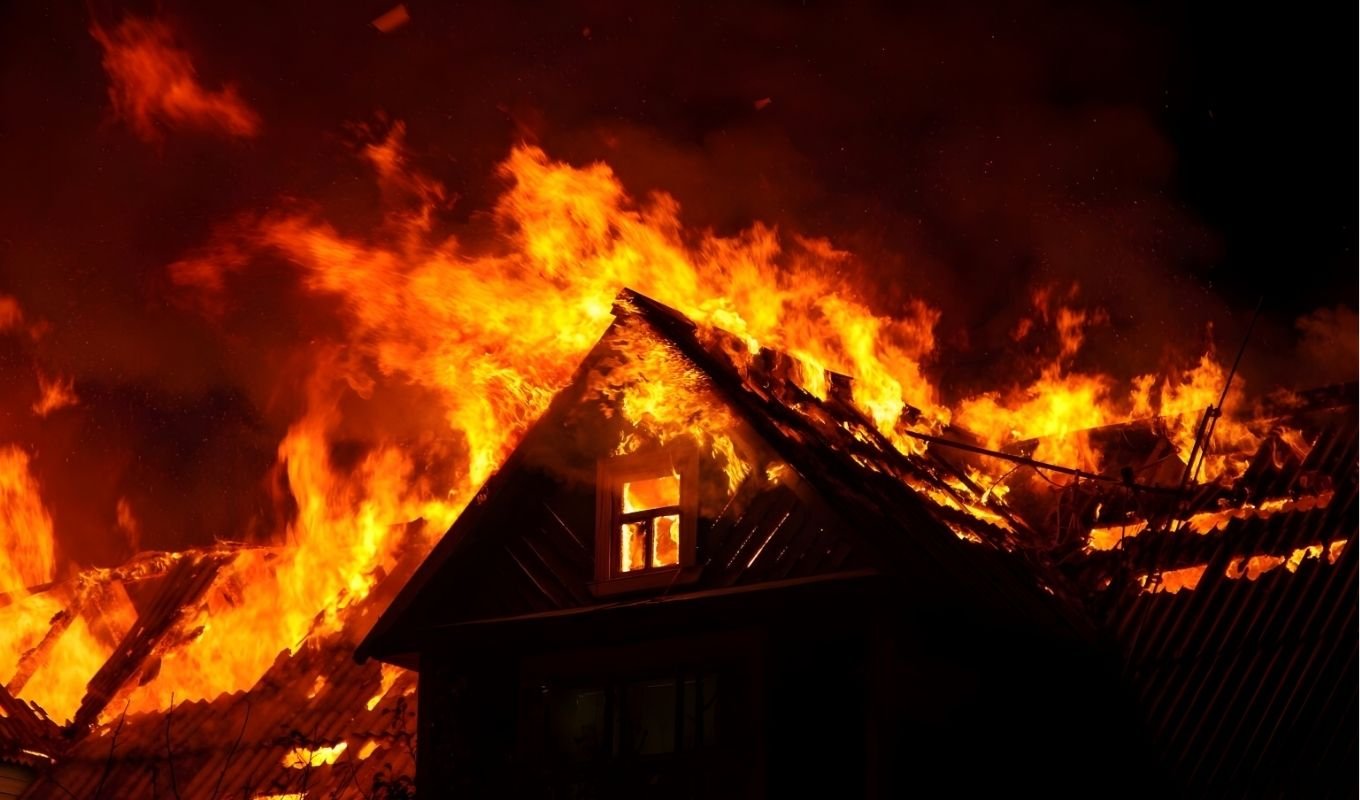
A New South Wales man who orchestrated the deliberate burning of his own property for an insurance payout has failed in his appeal to have his prison sentence reduced. The Court of Criminal Appeal ruled that the serious risks posed to neighbours, firefighters, surrounding homes, and even the youths employed to carry out the fire outweighed any mitigating factors relating to the offender’s background.
Ali Falih Abed, 23 at the time of the crime, conspired with his girlfriend, Wafaa Al Shamari, to have two minors set fire to their property in South Granville. The plan was motivated by financial gain: the couple intended to claim $550,000 from their NRMA Insurance policy and hoped the fire would coerce their elderly neighbour into selling the adjoining home, which would allow them to develop duplexes on the site.
During the arson, the youths used petrol purchased with Abed’s sister’s credit card and travelled to the property in an Uber coordinated by Abed. Fortunately, no one was killed, but the blaze caused extensive property damage and created a highly dangerous environment for everyone nearby.
Abed was initially sentenced to five years in prison, with a non-parole period of three years, for dishonestly destroying property by fire with intent to gain. He appealed the sentence on several grounds, including a judicial error regarding his age—where the judge mistakenly referred to him as 33 instead of 23—and his claim that his childhood in war-torn Iraq should reduce his moral culpability.
The Court of Criminal Appeal acknowledged that Abed’s upbringing may have affected his development, stating that he should not be held to the same moral standards as someone with a conventional background. They also corrected the age discrepancy and clarified that Al Shamari was actually eight years older than Abed, not two years younger as initially stated.
However, the judges emphasised that the recruitment of children to commit a dangerous crime and the severe risk posed to the public meant that the original sentence was appropriate. Deterrence, denunciation of criminal behaviour, and protection of the community must remain key considerations in sentencing for such serious offences. Consequently, the Court refused to reduce Abed’s prison term.
This case underscores the judiciary’s stance on arson and child exploitation: while personal hardship and background may be considered, the deliberate endangerment of others and manipulation of minors in criminal activities will continue to attract substantial custodial sentences.