Equity in leadership cannot depend solely on goodwill; it requires systematic implementation.
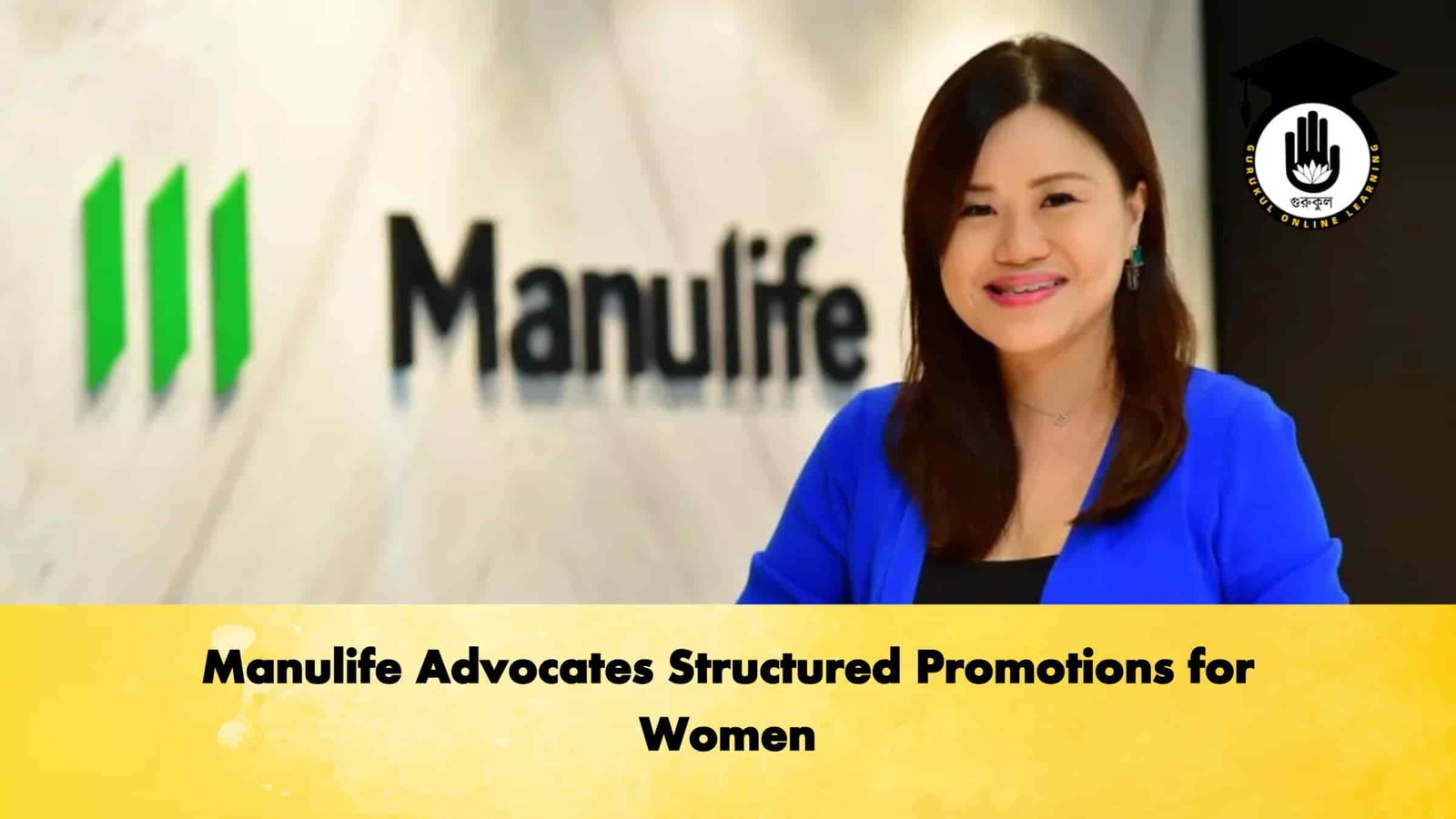
Leah Ng, Chief Bancassurance Officer at Manulife (Singapore) Pte. Ltd., has called on insurers to formalise promotion and succession systems, highlighting the structural barriers women continue to face in reaching senior leadership roles.
Speaking to Insurance Asia, Ng emphasised that many organisations rely on informal mentorship or good intentions rather than measurable governance to advance women. “Equity cannot solely rely on good intentions; it must be embedded into governance,” she stated. “The challenge is not commitment, but the absence of systems that make fairness in promotions transparent and measurable.”
With over two decades of experience in life insurance and financial services, Ng believes that leadership diversity strengthens company performance when integrated into operational frameworks.
Career Reflections and Strategic Decisions
Reflecting on her career, Ng identified several pivotal moments. Early on, she was encouraged by a female manager to contribute more actively in meetings—a lesson that shaped her leadership style. Later, she faced career crossroads where tempting offers of higher remuneration and titles conflicted with her long-term priorities. “Choosing to walk away was difficult,” she recalled. “These strategic ‘no’s’ were critical in building a career with intention rather than speed.”
Leadership Diversity as a Performance Driver
Ng emphasises that diverse executive teams enhance decision-making and organisational standards. She advocates for measuring contributions based on outcomes rather than visibility and institutionalising structured sponsorship to nurture high-potential talent. According to Ng, this approach strengthens succession pipelines, reduces attrition, and embeds resilience within organisations, ultimately converting diversity into an economic advantage.
Manulife’s Approach to Equitable Progression
At Manulife, promotion and inclusion are treated as structural disciplines. Key initiatives include embedding inclusion objectives into performance goals, reviewing leader inclusion dashboards quarterly, and providing high-potential women with structured leadership development and stretch assignments.
| Initiative | Description | Frequency/Metric |
|---|---|---|
| Inclusion Objectives | Leaders assessed on inclusive, high-performing teams | Quarterly performance reviews |
| Leadership Dashboards | Promotion pipelines and representation metrics tracked | Quarterly |
| Structured Sponsorship | High-potential women identified and given stretch assignments | Ongoing |
| Meritocratic Evaluation | Achievements documented to ensure fair assessment | Continuous |
| Flexible Work | Hybrid and flexible arrangements with accountability | Annual engagement survey; top-quartile Gallup 2025 score |
Supporting Flexibility
Ng emphasises that flexibility at Manulife is structured and measured. The company refines its hybrid model through surveys and pulse checks, ensuring employees—including senior women leaders—can balance professional and personal responsibilities. She cites an example of supporting an employee’s extended sabbatical to accommodate family needs, demonstrating how flexibility contributes to retention and performance.
Industry-Wide Gender Equality
Ng calls for standardised transparency in promotion and succession criteria across the insurance sector. “Ambiguity is where bias takes root,” she stated. “Clear, explicit, and consistently applied leadership criteria reinforce merit, strengthen trust, and empower high-performing women to pursue long-term careers.”
She encourages women to cultivate curiosity, acquire new skills, and step forward with confidence: “Opportunity favours the prepared. When it arrives, be bold enough to say yes.”