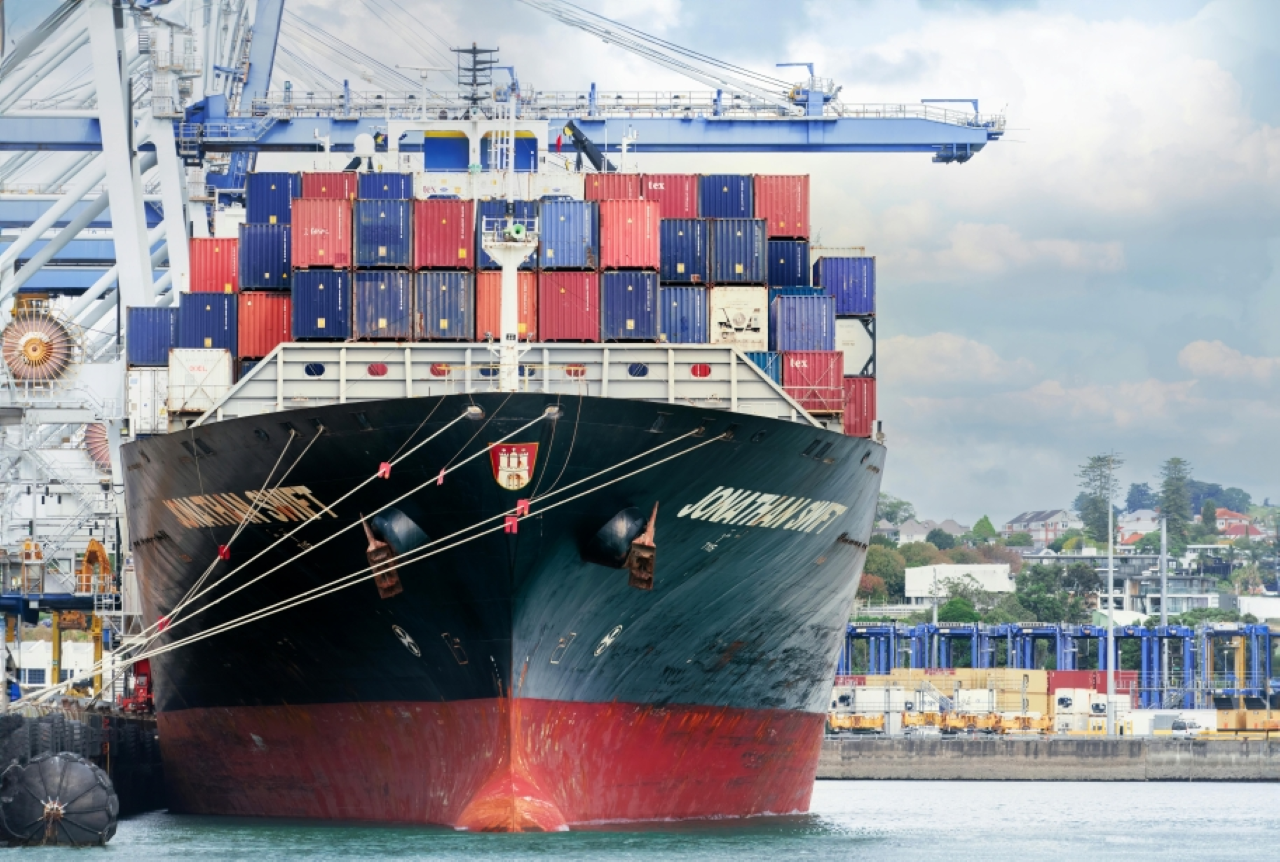
Marine cargo insurance is an ancient yet ever-evolving pillar of global trade. It transforms the pervasive uncertainties of maritime and multimodal transport into manageable commercial risk by converting potential loss into a measurable, contractible outcome. From the earliest Mediterranean merchants who pooled risks in rudimentary syndicates to today’s sophisticated institutional markets, marine cargo insurance has enabled the modern economy: it allows goods to cross oceans, inland waterways and overland corridors with the confidence that loss, damage or delay will not destroy the commercial proposition.
This guide is a comprehensive, practical and authoritative exposition of marine cargo insurance for a global audience. It explains principles, policy types, practical underwriting and claims processes, legal and regulatory considerations, modern technological trends, and loss prevention. Where complex legal or technical issues appear, the aim is clarity: to explain what practitioners and cargo owners must know, why it matters, and how to act in real-world situations.
What is marine cargo insurance?
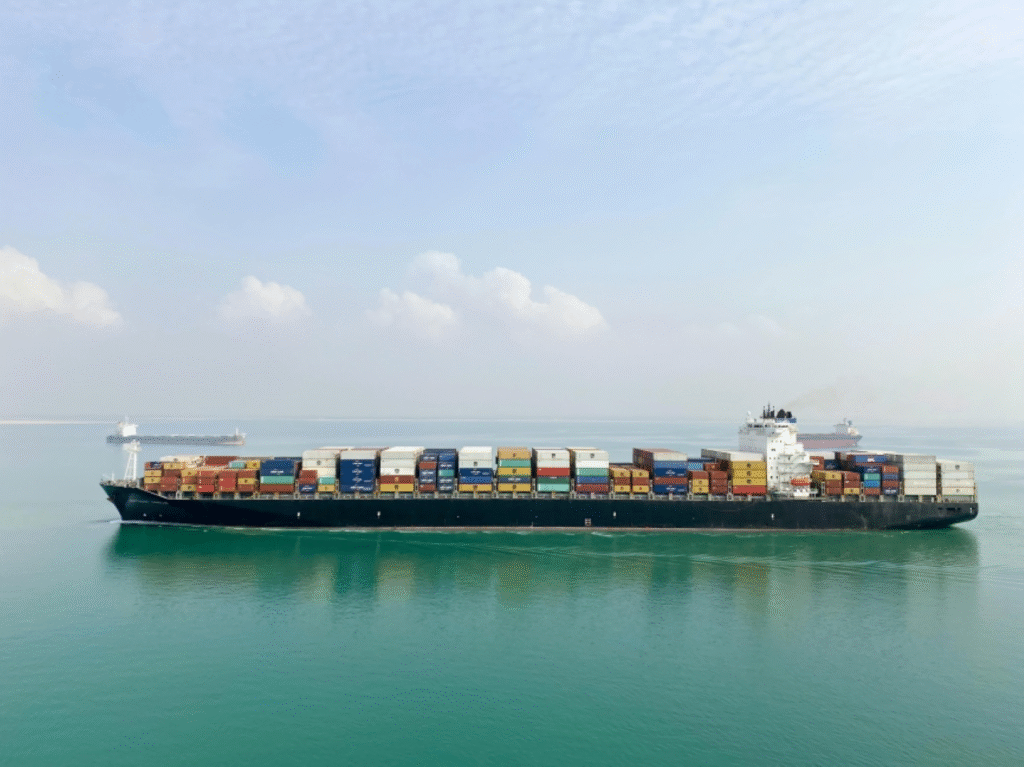
At its simplest, marine cargo insurance is a contract by which an insurer agrees, in return for a premium, to indemnify the insured (the cargo interest) for loss of or damage to goods while in transit, subject to the terms, conditions and exclusions of the policy. “Marine” in this context covers not only sea carriage but also air, road and rail legs (multimodal transport), storage incidental to transit, and ancillary services where the goods remain at risk.
The core purpose is indemnity — to restore the cargo owner financially to the position they would have occupied had the loss not occurred — but commercial practice often approximates indemnity to the market value of goods, freight and insurable charges, or to agreed declared value. Insurance also provides liquidity after a loss and supports contractual frameworks such as letters of credit and sales contracts that require adequate insurance.
Historical and commercial context
Marine insurance is one of the oldest forms of insurance. Its development paralleled the growth of long-distance trade. Because sea carriage was long and hazardous, merchants needed ways to reduce the capital at risk; marine insurance provided that mechanism.
Commercially it is entwined with shipping contracts (bills of lading), international trade law (notably the Hague-Visby rules, Hamburg rules and UN conventions in some jurisdictions), Incoterms (which allocate delivery, insurance and transport obligations between buyer and seller), and documentary credit practice. For modern businesses, cargo insurance is not optional: banks, buyers and logistics providers often require it as part of trade finance or contractual risk allocation.
Fundamental principles of marine cargo insurance
Understanding the legal and commercial logic of marine cargo insurance requires grasping several core principles:
Principle of indemnity
Most cargo policies aim to indemnify, not to profit. The insured should not be better off after a loss than before. Payments are therefore limited to the insurable value — usually the invoice value plus freight and other insurable charges — or an agreed declared value.
Utmost good faith (uberrima fides)
Both parties to the contract must act in utmost good faith. The insured must disclose material facts at inception that would influence an underwriter’s decision; the insurer must disclose material limitations and underwriting terms. Non-disclosure or misrepresentation can void cover.
Insurable interest
To obtain cover the insured must have an insurable interest in the subject matter at the time of loss. Insurable interest usually exists for the seller until risk transfers under the contract of sale (see Incoterms), or for buyers from the point risk passes. Mortgagees, bailees and carriers may also have insurable interest.
Proximate cause and causation
A loss is recoverable if caused by an insured peril. Courts often examine proximate cause — the dominant, effective cause of the loss — to determine whether an exclusion applies. Complex chains of events (e.g. an initial insured peril followed by an insured salvage effort that damages cargo) require careful causation analysis.
Contribution and average
When multiple policies cover the same risk, insurers may seek contribution. When goods are underinsured (insured sum less than the value), the insured suffers an “average” reduction; the insurer pays proportionally. Policies often incorporate clauses requiring that cargo be insured for the invoice value plus a percentage for expenses.
Who needs marine cargo insurance and why?
A wide range of parties benefit from cargo insurance:
- Exporters and importers — to protect their capital and preserve profit margins.
- Manufacturers and suppliers — where goods are in transit between factories, warehouses and customers.
- Freight forwarders and logistics providers — when holding goods for others; many offer “freight forwarders’ cargo liability” or recommend separate cover for customers.
- Owners of goods under consignment — to protect their inventory.
- Banks and financiers — who require insurance for financed goods under letters of credit.
In trade, Incoterms determine who must procure insurance: for instance, CIF (Cost, Insurance and Freight) requires the seller to purchase minimum cover for the buyer, whereas FOB (Free On Board) normally leaves insurance to the buyer. Relying solely on contractual minimums can be insufficient; prudent parties clarify cover limits, clauses and policy wording.
Types of marine cargo cover
Marine cargo products vary widely. Their distinguishing features are scope of cover, the policy form or wording, perils covered, and the geographical or temporal limits. The major types are:
Open cargo policies (open cover)
Open policies, also called annual policies, provide continuous cover for all shipments between specified parties over a defined period (usually one year). They are convenient for traders with frequent shipments: the insured declares shipments and the policy responds automatically up to declared limits and sums insured. Open cover requires accurate record-keeping and prompt declaration of originals or ad hoc shipments.
Shipment or single-trip policies
A single-policy insures a specific consignment for a specified voyage or transit. It suits infrequent shippers or for specific high-value shipments. Single policies permit tailored clauses and declared values but require administrative effort for each consignment.
Warehouse-to-warehouse and all-risks policies
Standard cargo policies often provide “warehouse-to-warehouse” protection — typically from warehouse receipt at point of origin to discharge at destination warehouse within a set period. “All-risks” policies offer the broadest protection, covering all losses except those expressly excluded. All-risks policies are nevertheless subject to exclusions (see below).
Institute Cargo Clauses (A, B and C)
Industry-standard wordings, widely used internationally, are the Institute Cargo Clauses (ICC):
-
ICC (A): Broadest, close to all-risks (listed general exceptions still apply).
-
ICC (B): Intermediate, covers named perils such as fire, explosion, vessel or craft being stranded, grounded, sunk or capsized, overturning or derailment of land conveyance, collisions and discharge due to necessity, etc.
-
ICC (C): Narrowest, covers few perils like fire, explosion, vessel or craft being stranded, grounded, capsized or sunk, and overturning or derailment of land conveyance.
ICC clauses can be varied or supplemented by riders — e.g. “free of particular average” (FPA), “with average” or additional war or strikes extensions.
Named-peril vs all-risks
Named-peril policies pay only where a loss is caused by perils on a defined list. All-risks policies cover everything unless expressly excluded. All-risks are generally more expensive but more comprehensive; in practice, exceptions for poor packaging, gradual deterioration and inherent vice are common.
Free of Particular Average (FPA) and more favourable terms
FPA policies exclude partial losses unless caused by a listed peril that also involves a major casualty. This reflects historic mutual arrangements protecting common carriers. FPA is less generous than ICC (A) and is often seen in commodity or bulk cargo markets.
Specialised covers
- War, strikes and civil commotion: For political risks, often excluded from standard ICC and provided under separate policies or endorsements.
- Delay/contingent business interruption: Covers financial loss due to delay in arrival of critical components (rare and expensive; often structured as contingent business interruption insurance).
- Refrigerated cargo (reefer) breakdown: Covers temperature-related losses due to mechanical failure or human error; requires proof and temperature logs.
- Cargo liability insurance: For carriers, freight forwarders and warehousemen protecting their legal liabilities.
- Political risk and sanctions cover: Sometimes necessary for voyages into politically sensitive regions; often limited and heavily underwritten.
- Project cargo / heavy lift: For large, indivisible items transported by specialised vessels or heavy-lift operations; tailored underwriting, often with specific warranties.
Typical policy structure and key clauses
A cargo policy comprises declarations, insuring clauses, warranties, exclusions, conditions, valuation and settlement provisions, and clauses regarding voyage limits and transhipment. Important elements include:
Insuring clause
Specifies the insured peril(s) and the extent of cover. For ICC policies, the insuring clause provides the basic scope.
Voyage and transit clauses
Defines when coverage commences and terminates — e.g. from warehouse to warehouse, including sea transit and intermediate storage for a specified period. Variation may include multimodal journeys, transhipments and inland haulage.
Exclusions and general exceptions
Common exclusions include: wilful misconduct, inherent vice (the property’s natural propensity to suffer loss), delay (unless covered), rust/corrosion and ordinary leakage. War and strikes are often excluded and require separate cover.
Warranties
Warranties are strict conditions: breach voids the contract from the date of breach. Typical warranties include seaworthiness, lawful carriage, proper packing and compliance with specific instructions. Modern practice limits the use of strict warranties in some jurisdictions, but they remain important.
Conditions
Conditions precedent may be included requiring notification of loss, submission of documents and cooperation during the claims process.
Deductibles and co-insurance
Most cargo policies include a deductible (an initial amount for which the insured is liable) or co-insurance percentage. The size of the deductible affects premium cost and moral hazard.
General Average and salvage
General average is a maritime law principle – when sacrifices are deliberately made to save a common venture (e.g. jettisoning cargo to lighten a ship), all parties share the loss proportionately. Cargo insurers usually pay general average contributions and later recover by subrogation or require cargo interests to provide general average security (bonds). Policies typically provide cover for general average and salvage charges.
Valuation: sums insured and declared value
Valuation is pivotal. Insurers calculate premiums and determine indemnity by reference to declared value or agreed valuation methods.
Insurable value
Commonly, insurable value is the invoice price (CIF or FOB depending on contract) plus freight, insurance and other charges. Traders often insure on an agreed “invoice value plus 10%” or a similar multiplier to cover ancillary expenses.
Declared value and valuation clauses
Under open policies, the insured declares sums for each shipment. For single policies, the declared value is in the policy schedule. Some clauses permit adjustment for currency fluctuations or changes in market value. Mis-declaration of value can lead to underinsurance and an average adjustment.
Average (underinsurance) clause
If the declared value is less than the insurable value at the time of shipment, the insured’s recovery is reduced proportionally. This encourages honest declarations and adequate sums insured.
Premium rating and underwriting factors
Premiums reflect an assessment of frequency and severity of loss. Underwriters consider:
- Nature of goods: Perishable, fragile, valuable, hazardous, or inherently risky goods attract higher premiums.
- Mode of transport: Air freight is typically safer (fewer physical losses) but costly; sea carriage presents different perils; multimodal transits require integrated assessment.
- Route and transhipments: Long voyages and transhipped consignments increase exposure. Transhipment, tropical climates, and ports with security issues increase the rate.
- Packaging and packing standards: Poor packaging yields higher risk and may lead to exclusions.
- Carrier and vessel selection: Underwriters examine the carrier’s safety record, vessel age, classification society, flag state and the chosen voyage plan.
- War and political risk exposure: Sailing through high-risk zones raises premium, often accompanied by war-risk premiums.
- Past loss history: Claims frequency and severity for the insured or cargo type matter.
- Seasonality and timing: Hurricane season, monsoon and seasonal peaks influence rating.
- Limitations and deductibles: Higher deductibles reduce premium.
- Packaging, storage and handling at origin: Responsible warehousing reduces premium.
Underwriting can be syndicated among several insurers, each taking a share of the risk. Lead underwriters set primary terms; followers accept the lead’s assessment.
Documentation and evidence
In claims and underwriting, documentary evidence is vital. Key documents include:
- Bill of lading / airway bill / multimodal transport document: Evidence of carrier contract and time/place of shipment.
- Commercial invoice: For valuation and proof of sale price.
- Packing list: Shows contents and packing method.
- Certificate of origin: For customs and provenance.
- Insurance policy / certificate: Proof of cover, clauses and sums insured.
- Survey report: Independent inspection of the cargo on receipt or damage.
- Carrier’s delivery receipt and notation of damage: Crucial for proving carrier liability.
- Repair invoices and replacement invoices: For quantifying loss.
- Temperature logs (for reefer cargo): Essential to show maintained conditions.
Practical tip: Insureds should ensure careful document retention and a clear chain of custody; poor paperwork is a common cause of claim disputes.
Claims handling: process and common pitfalls
When loss occurs, a disciplined approach speeds settlement and maximises recovery:
Immediate steps after discovery
-
Notify insurer promptly: Policies specify time limits; delayed notice may prejudice the claim.
-
Preserve evidence: Retain packaging, samples and communications. Avoid disposing of damaged goods before inspection.
-
Notify carrier and freight forwarder: Obtain carrier notations on delivery receipts and any survey reports.
-
Arrange salvage/mitigation: Reasonable steps to mitigate further loss are typically recoverable.
Survey and assessment
An independent surveyor assesses damage, determines cause and compiles a report. Insurers may appoint their own surveyor. For high-value claims, both parties often have surveyors whose findings are reconciled.
Quantification and proof
Document repair costs, replacement invoices and, where necessary, market value at the place and time of loss. Demonstrate the chain of events and causation.
Subrogation and recovery
If a carrier or third party is liable, insurers pursue recovery through subrogation. This legal process seeks to recoup sums paid from the party responsible for the loss (the carrier, stevedore, packing company or manufacturer). Cooperation in providing evidence is essential.
Common pitfalls
- Failure to obtain carrier notation or survey.
- Inadequate documentation of value.
- Breach of warranties (e.g. incorrect packing statements).
- Late notification under the policy.
- Misunderstanding the wording: e.g. thinking that “all-risks” covers delay or loss from inherent vice.
- Choosing to dispose of goods before insurer/surveyor inspection.
Carriers’ liability vs cargo insurance
Cargo interests often ask whether carrier liability alone suffices. While carriers do bear statutory and contractual liability for loss or damage, relying on carrier liability is risky:
- Liability limits: Conventions like Hague-Visby or national laws limit carriers’ liability per package or per kilogram, often far below full value.
- Proof and defences: Carriers can avoid liability by proving due diligence (e.g. seaworthiness) or by invoking exceptions such as unseaworthiness or negligence of the shipper.
- Time limits: Claims against carriers have short prescription periods — failing to issue a timely lawsuit can be fatal to recovery.
- Bank and contractual requirements: Letters of credit often require insurance cover as a condition.
Cargo insurance complements carrier liability: it provides prompt indemnity and better protection than statutory caps or protracted litigation.
General Average and liability to contribute
General average (GA) is a foundational maritime principle where sacrifices or expenditures intentionally made for common safety are shared pro rata. Typical GA acts include jettisoning cargo, burning fuel to drive out water or intentional grounding to save the vessel.
Key points:
- Cargo interests may be called upon to provide GA security (usually bonds). Insurers typically cover GA contributions under the policy, but cargo interests should ensure policy wording specifically mentions GA and salvage charges.
- Documentation: A GA adjustment is prepared by a general average adjuster who determines contributions. GA procedures are formal and can delay delivery unless security is provided.
Special topics
Perishable and temperature-controlled cargo
Refrigerated cargo (reefers) and perishables require strict monitoring. Standard issues include:
- Proper pre-cooling and loading temperatures.
- Trained personnel for re-icing, ventilation and handling.
- Temperature logs and telemetry for claims evidence.
- Clause permutations for breakdown, power loss, or deterioration.
Underwriters demand evidence of correct operation; failing to maintain temperature records can result in dispute or repudiation.
Hazardous goods
Dangerous goods (classified under the IMDG Code for maritime transport or IATA for air) attract strict handling and documentation requirements. Misdeclaration or non-compliance can invalidate cover and trigger civil or criminal liability.
Theft and non-delivery
Theft during port operations or inland transit requires proof of loss and evidence of secure custody. Policies may limit theft cover to certain transit legs or require specific security protocols.
Cyber risks and digital documentation
As shipping documents and trade finance move online, cyber risk arises (e.g. fraudulent changes to electronic bills of lading). Cargo insurers, banks and carriers increasingly address cyber exposures through tailored endorsements or separate cyber policies.
Piracy and armed robbery
Regions like parts of West Africa and the Gulf of Guinea, and the Somali basin in past decades, experience piracy and attacks. War and piracy risks are often excluded from standard policies; separate war/piracy endorsements or political risk covers are required, often at high premium and subject to strict underwriting standards.
Multimodal transport and inland carriage
Modern supply chains are multimodal: sea, rail, road and air. Cargo insurance must explicitly cover all legs and storage. Points to note:
- Definition of transit: Ensure the policy’s transit definition matches actual logistics.
- Rail and road within countries: Some national jurisdictions impose specific liability regimes; the insurer will consider the weakest link.
- Intermodal documents: A bill of lading covering multimodal carriage may allocate responsibility among carriers; insurers pay regardless and then subrogate against carriers where possible.
War, strikes and political risks
War and political violence are particularly sensitive. Common practice:
- War, strikes and civil commotion (WCC) exclusions: standard ICCs exclude war and strikes. Insureds can buy WCC extensions at additional premium, subject to route restrictions.
- Sanctions and embargoes: Modern policies incorporate sanctions clauses; insurers will refuse cover where the transaction breaches international sanctions regimes. Insureds must declare the destination and parties precisely.
Fraud and anti-money-laundering (AML) considerations
Insurance markets are exposed to fraud (e.g. staged losses, inflated claims) and AML risk. Insurers conduct rigorous due diligence on insureds and beneficiaries, especially where high-value shipments interact with complex payment chains. Underwriters may require KYC documents, proof of ownership and supply chain transparency.
Reinsurance
Insurers cede portions of risk to reinsurers to manage capacity and volatility. Reinsurance shapes the market capacity and pricing for large cargo programmes. Large project cargoes or political-risk-laden routes often require reinsurer approval. Reinsurance contracts may create additional conditions that affect primary cover, particularly in catastrophe or accumulation scenarios.
Role of brokers and freight forwarders
Brokers and freight forwarders play crucial roles:
- Brokers arrange appropriate cover for clients, negotiate terms, secure competitive rates and assist with claims. They also attach market knowledge about underwriter appetite, market clauses and standard warranties.
- Freight forwarders may offer cargo insurance to clients, often as an agent and on a “declared value” basis; they may also provide their own liability products. Merchants must review forwarder clause wording and ensure no gaps or confusing overlaps.
- Disclosure and transparency: Brokers must present accurate risk information; forwarding agents must not overstate coverage.
Technological trends shaping cargo insurance
Technology reshapes underwriter assessment and claims handling:
Internet of Things (IoT) and telematics
Sensors provide real-time location, temperature, humidity and shock data. Insurers use IoT telemetry to underwrite dynamically (dynamic pricing), exclude certain perils, or provide parametric triggers. IoT evidence is invaluable for claims validation.
Big data and predictive analytics
Historical data on routes, carriers and cargo types improve risk modelling. Insurers can segment risks more accurately, offering tailored premiums and loss-prevention advice.
Blockchain and electronic bills of lading
Blockchain promises secure transfer of title and documents, reducing fraud and settlement delays. When widely adopted, it may alter documentary requirements and claims evidence. Insurers are already exploring guarantees and smart contracts.
Parametric and index-based solutions
Parametric insurance pays on predefined triggers (e.g. wind speed, earthquake magnitude) rather than requiring proof of property damage. For cargo, parametric solutions may cover transit delays due to predefined incidents or pay instantly for catastrophic events.
Automation and digital claims platforms
Web portals and digital claims workflows speed communications and settlement. Automation also increases cost-efficiency for low-value, high-frequency claims.
Sustainability, ethics and social responsibility
Sustainability influences underwriting and investment:
- Underwriters may restrict cover for cargo tied to environmentally harmful projects (e.g. certain fossil-fuel cargos).
- Insurers increasingly align investments with ESG criteria and may offer green premium discounts for low-emission logistics practices.
- Social responsibility includes ensuring fair claims practice and preventing exploitation in supply chains (e.g. human trafficking linked cargoes).
Legal regimes and international conventions
Cargo interests operate across a patchwork of legal systems. Key legal instruments and regimes include:
- Hague-Visby Rules (commonly applied in bills of lading) — set carrier liability limits and defences.
- Hamburg Rules and other national conventions in some jurisdictions.
- UN Convention on Contracts for the International Sale of Goods (CISG) — governs some aspects of cross-border sales but does not deal directly with insurance.
- Local laws governing customs, quarantine, and import/export controls.
Insurance policies should be read against the applicable law and jurisdiction. Dispute resolution clauses (choice of law and forum) are relevant if litigation becomes necessary.
Practical guidance for cargo owners — an action checklist
- Know your Incoterms and understand who bears the responsibility to insure.
- Insure to full insurable value, including freight and insurable charges, with an appropriate margin for contingencies.
- Use open cover for frequent shipments; single policies for ad hoc high-value cargoes.
- Read your policy wording carefully—know the exclusions, deductibles and voyage limits.
- Ensure correct packing and stowage. Use professional packers for fragile and perishable goods.
- Keep meticulous shipping documents (bill of lading, invoice, packing list).
- Install tracking and temperature monitoring for sensitive cargo. Maintain logs for claims.
- Notify insurer immediately after discovering loss and preserve evidence for survey.
- Understand general average and be ready to provide GA security when required.
- Appoint experienced brokers for programme placement and claims advocacy.
- Check war and political risk exposure and secure separate cover where necessary.
- Maintain legal compliance with export controls and sanctions. Never assume cover for prohibited trades.
Frequently asked questions (FAQ)
Q: Does marine cargo insurance cover delay?
A: Standard all-risks or ICC policies typically exclude pure delay. Coverage for financial loss due to delay is available but specialised and expensive.
Q: If my goods are damaged in port, who is liable — the carrier or the insurer?
A: Both can be relevant. Insurer will indemnify under the cargo policy, but subrogation rights allow insurers to pursue the carrier if liable. Carrier liability depends on bill of lading terms and applicable law.
Q: Is insurance required under letters of credit?
A: Frequently, yes. Many letters of credit require insurance covering goods during transit; the beneficiary must present proof of insurance complying with the L/C terms.
Q: What if I underinsure my goods?
A: Underinsurance triggers average; your claim will be reduced proportionally. Always insure to full value.
Q: Does packaging affect cover?
A: Yes. Improper packaging is often a defence for insurers. Policies may exclude loss caused by inadequate packing.
Case studies and illustrative scenarios
Example 1: Refrigerated goods — proof through telemetry
A consignor ships fresh produce with temperature logs showing a 12-hour power interruption during inland transit causing spoilage. With continuous telemetry, the cause is evident; an ICC (A) policy with reefer breakdown extension pays after inspection confirms the causal link. Lack of logs would have created dispute.
Example 2: General average contribution after jettison
A vessel encounters rough weather; to save the ship, certain containers are jettisoned. GA is declared; cargo underwriters pay contribution and later seek recovery through general average security. Cargo owners must provide cash or guarantee to secure release of remaining goods.
Example 3: War exclusion painful effect
A company exports specialised machinery to a country where a sudden outbreak of hostilities occurs. The standard cargo policy excludes war risks. The company had assumed normal cover sufficed; in fact, a war risk extension would have been necessary. The insurer declines the claim.
The future of marine cargo insurance
The next decade will see:
- Greater use of real-time data (IoT) to underwrite dynamically and to validate claims quickly.
- Expansion of parametric products for specific delay and catastrophic scenarios offering rapid pay-outs.
- Increased focus on climate resilience, influencing both pricing and underwriting restrictions for vulnerable routes.
- Blockchain-based trade documentation potentially reducing fraud and speeding claims settlement.
- Growing regulatory scrutiny on sanctions compliance, cyber risk and environmental exposures.
- Shift towards preventive services — insurers offering risk-management services to reduce loss frequency and severity, not merely indemnify after the event.
Marine cargo insurance is both enduring and adaptive. Its core function — to convert the unpredictable risks of transit into quantifiable liabilities — remains unchanged; yet the instruments, underwriting techniques, legal frameworks and technologies have evolved dramatically. For exporters, importers, logistics providers and financiers, the key to effective protection is a clear understanding of policy wording, careful declaration of values, robust documentation and proactive risk management.
Commercial success in global trade increasingly depends on resilient supply chains. Marine cargo insurance is a central piece of that resilience. By combining traditional principles with modern analytics, parametrics and digital platforms, cargo insurers are repositioning themselves as partners in risk reduction and operational continuity — not merely payers of compensation.
For practitioners and cargo owners: read the policy, declare accurately, pack professionally, document rigorously and engage experienced brokers and surveyors. When loss occurs, prompt action — notification, preservation of evidence and cooperation with surveyors — often determines the outcome. In an era of complex logistics and accelerating climate risk, vigilance and well-structured insurance remain indispensable.