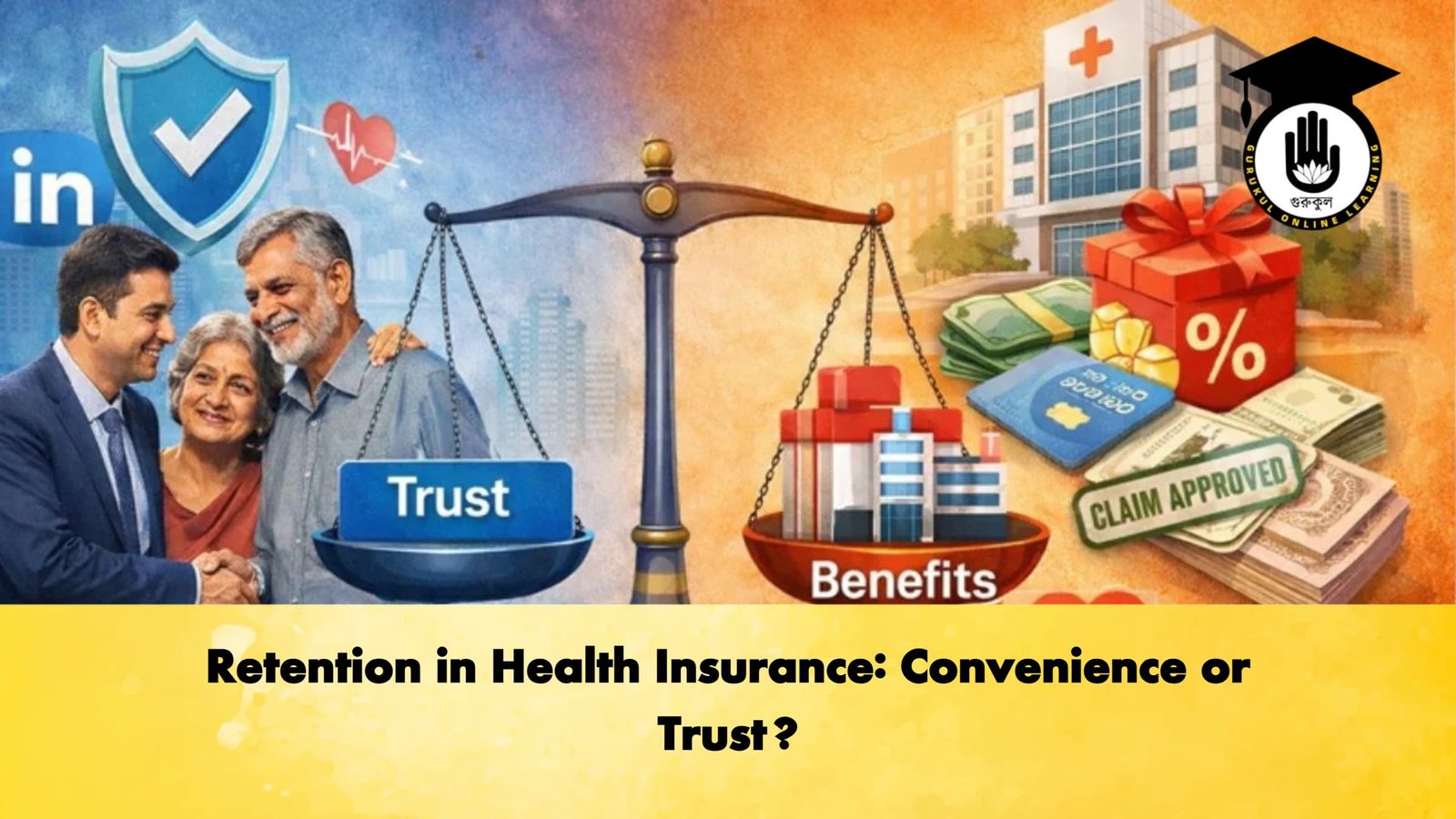
The health insurance landscape is currently navigating a period of profound transformation. Driven by rapid technological advancements, the ubiquity of information, and heightened consumer consciousness, the market’s traditional dynamics have shifted. Where the primary focus was once the transactional sale of policies, the industry now faces a far more complex challenge: the cultivation of long-term client retention. In this evolving climate, a fundamental question emerges—what truly secures a customer’s loyalty over the decades: the convenience of the service, or the strength of the trust?
The Interplay Between Efficiency and Empathy
Market analysis suggests a clear dichotomy: while innovative features and convenience attract a client, it is trust that ensures they remain. Health insurance is uniquely tethered to the most vulnerable moments of human life. During bouts of illness or following an accident, a policyholder seeks more than mere fiscal reimbursement; they crave a sense of security and reliability.
Efficiency markers—such as rapid claim settlements, cashless hospitalisation, and streamlined paperwork—are essential. They serve as a testament to an insurer’s operational competence and provide initial satisfaction. However, in today’s saturated market, these “conveniences” have become the baseline expectation rather than a unique selling point. When every competitor offers an app and a 24-hour helpline, the differentiating factor inevitably shifts to the human element of trust.
Building Foundations in the Digital Age
Trust is not an immediate acquisition; it is a dividend paid on consistent, positive experiences. It is forged in the fires of crisis—through empathetic responses, transparent policy wording, and proactive post-sale engagement. In the digital era, the avenues for building this rapport have expanded significantly:
-
Thought Leadership: On professional platforms like LinkedIn, agents who share analytical insights and health trends position themselves as experts rather than mere salespeople.
-
Community Engagement: In social media groups, providing neutral, helpful guidance often yields better long-term results than direct sales pitches.
-
Personalised Outreach: Small gestures, such as post-treatment check-ins or timely renewal reminders, foster a sense of being valued beyond a contract number.
The Economic Case for Trust
From a commercial perspective, the “Law and Justice” (আইন ও বিচার) of the marketplace dictates that the cost of acquiring a new customer far exceeds the cost of retaining an existing one. A client who trusts their insurer becomes a brand advocate, generating high-value referrals that form the bedrock of sustainable growth.
| Retention Factor | Primary Function | Long-term Impact |
| Convenience | Attraction & Utility | Initial Satisfaction |
| Technological Tools | Operational Ease | Reduced Friction |
| Transparency | Risk Mitigation | Foundation of Trust |
| Consistent Support | Relationship Building | Lifetime Loyalty |
In conclusion, while modern facilities are vital for entering the race, they are insufficient for winning it. Health insurance is ultimately not just a financial product; it is a promise of protection. In an industry where the “product” is only truly tested during a crisis, those who honour the promise through transparent and empathetic service will find that trust is the only true currency of retention.