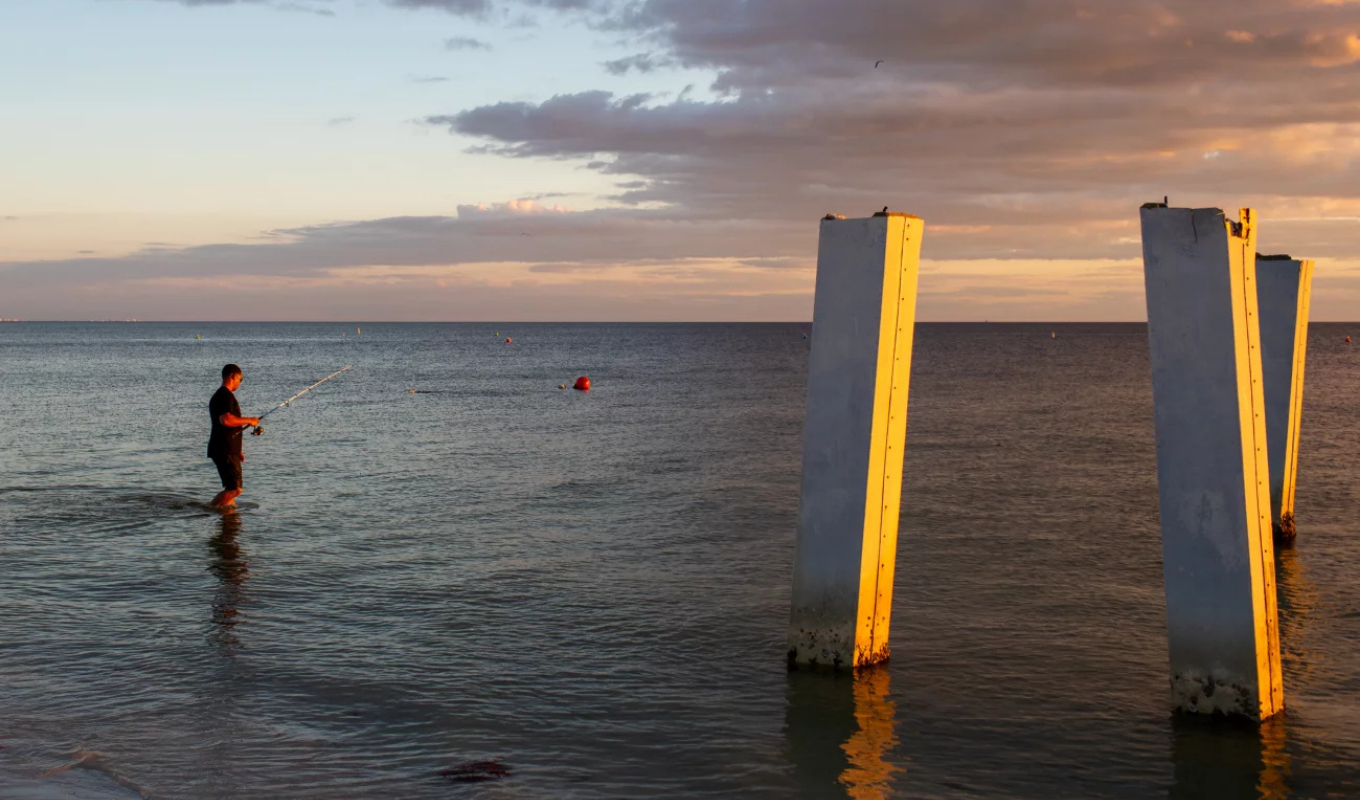
Three years after Hurricane Ian devastated Fort Myers Beach, the sound of jackhammers continues to echo along the island’s main road. New houses and businesses are being built beside vacant lots and the remains of buildings that were destroyed by the storm.
“We’re nowhere near where we thought we’d be three years ago,” says Jacki Liszak, CEO of the Fort Myers Beach Chamber of Commerce, who lost her small hotel in the hurricane. “I don’t think we fully understood the extent of what happened to us.”
The town that is slowly recovering from the hurricane’s aftermath is becoming increasingly unaffordable for many of its former residents. Soaring costs for construction and property insurance are now threatening to push out the family-run hotels that once defined Fort Myers Beach. The locals who once lived and worked there — from store clerks to bartenders — are finding it increasingly difficult to make ends meet. In their place, many expect to see more large resorts and expensive homes that are designed to withstand future hurricanes.
“Gentrification is happening, the rise in costs is real, and it all adds up to the fact that only the wealthy can afford to stay,” says Rob Fowler, president of Fowler Construction & Development, a local building company.
What’s happening in Fort Myers Beach is a more extreme version of a trend that’s spreading across southwest Florida. The region has seen an influx of older, wealthier people, which has driven up property prices and contributed to an ongoing affordable housing crisis — a problem exacerbated by Hurricane Ian. Increased costs for home and flood insurance have made it even harder for working- and middle-class families to afford life in a disaster-prone area, according to local Realtors.
The challenges Florida is facing are not unique. Across the United States, home insurance premiums have been rising, partly due to the impacts of climate change. More frequent and intense storms, floods, and wildfires are causing more damage, driving up insurance costs and making homeownership unaffordable for many.
In southwest Florida, the rise in insurance premiums is beginning to lower home values, which could lead to a decline in property tax revenues for local governments. As property values drop, communities across the U.S. may experience a “long-lasting economic shock,” warns David Burt, CEO of DeltaTerra Capital, a climate risk research firm.
As insurance costs continue to soar and disasters become more frequent, the middle class is finding it increasingly difficult to stay afloat in places like Fort Myers Beach, where the future is being shaped by rising costs and a changing climate.