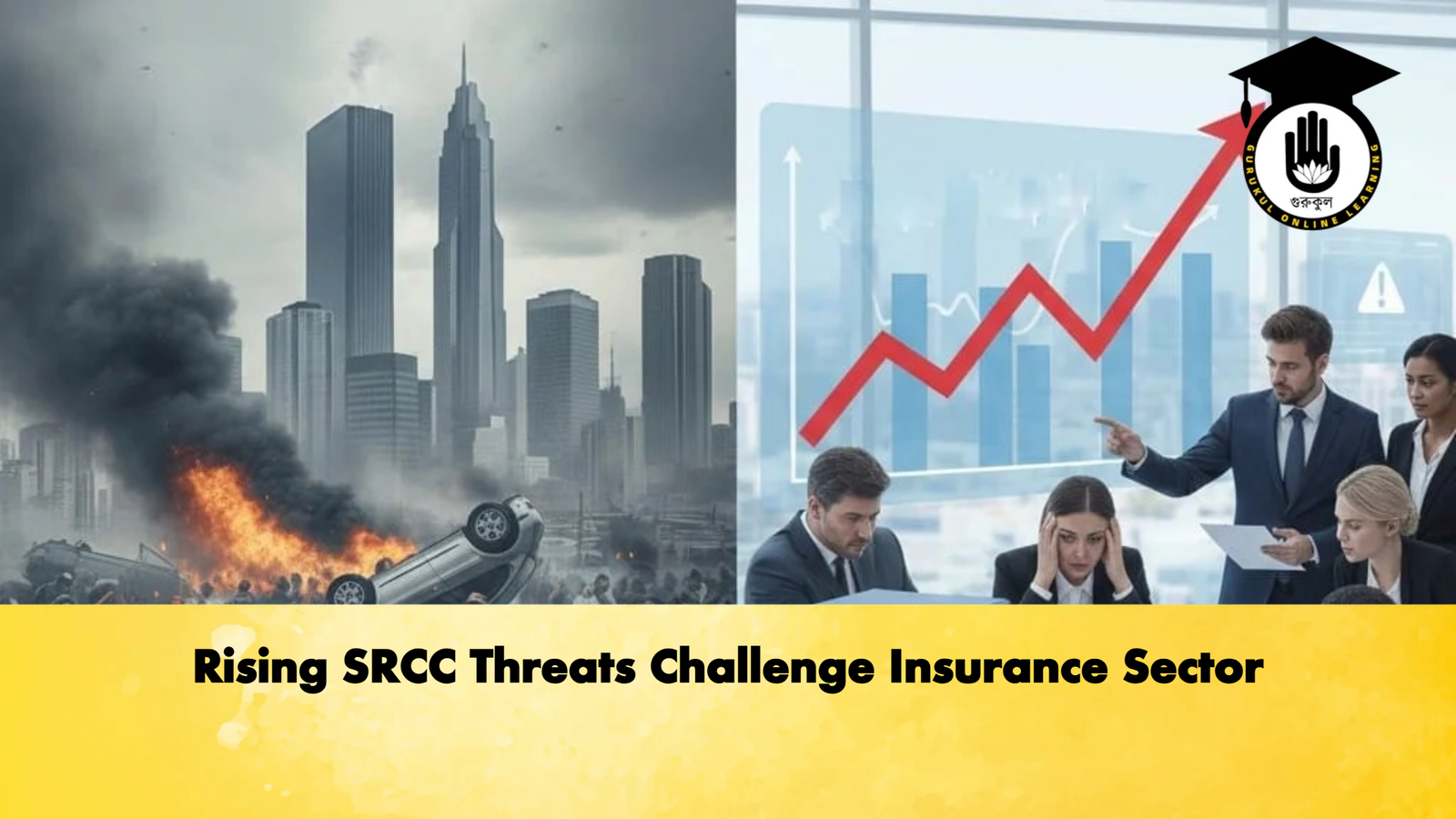
Civil unrest—including strikes, protests, and riots, collectively known as SRCC—has emerged as an increasingly significant risk for the insurance industry in wealthy democratic nations. A decade ago, such risks were largely negligible, but between 2020 and 2024, SRCC-related claims accounted for over $8 billion in insured losses. According to analysis by the reinsurance firm Howden Re, claims in 2025 were relatively subdued; however, 2026 is expected to see an uptick in SRCC-related losses, particularly in the United States.
Analysts attribute the surge in unrest to a combination of social inequality, political polarisation, and policy instability. Data from the Pew Research Center indicates that many citizens in Western countries are losing faith in the prospects of generational wealth accumulation, amplifying public dissatisfaction. First-quarter data from Verisk Maplecroft further shows that the United States ranks highest for SRCC exposure among Western democracies and fifth globally, while France occupies the seventh position. These rankings reflect not only the likelihood of unrest but also the potential magnitude of property losses.
SRCC Risk Rankings by Country
| Country | Global Rank | Notes |
|---|---|---|
| United States | 5 | Highest SRCC risk among Western democracies |
| France | 7 | High polarisation and protest activity in Europe |
| Pakistan | Below US | Emerging market risk |
| Bangladesh | Below US | Political and social sensitivity |
| India | Below US | Large market with isolated unrest incidents |
Traditionally, SRCC coverage has been bundled with other insurance policies. However, rising risk levels have prompted many insurers to offer standalone SRCC policies. Urban commercial properties, including shopping centres, now often require coverage at significantly higher premiums. In 2024, Lloyd’s of London assigned SRCC its own distinct code, and in 2025, Verisk released the first U.S.-focused SRCC catastrophe model.
The concern extends beyond the insurance sector. The Allianz Risk Barometer 2026 ranks ‘political risk and violence’ as the seventh most critical global risk. Europe and the United States are highlighted as regions of greatest exposure, with notable increases in large-scale protests and property damage.
Experts caution that SRCC losses have reached a level where single events could cause more than $5 billion in damages, potentially surpassing losses from natural disasters. This underscores the urgent need for corporations to integrate robust risk management, political risk modelling, and adequate insurance coverage to safeguard long-term business sustainability.