
Travel Insurance. Traveling is one of the most enriching experiences, offering a chance to explore new cultures, landscapes, and cuisines. However, with the excitement of planning a trip, it’s crucial not to overlook the potential risks and uncertainties that come with traveling. Travel insurance is an essential safety net that provides financial protection and peace of mind, ensuring that your journey remains enjoyable, even if the unexpected occurs.
Travel Insurance: Your Safety Net on the Go
What is Travel Insurance?
Travel insurance is a type of insurance designed to cover the costs and losses associated with traveling. It is intended to protect travelers against potential risks such as trip cancellations, medical emergencies, lost luggage, flight delays, and other unforeseen events that can disrupt a trip.
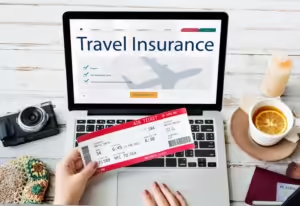
Types of Travel Insurance
1. Trip Cancellation or Interruption Insurance:
– Trip Cancellation: Covers the cost of your trip if you need to cancel due to unforeseen circumstances such as illness, family emergencies, or natural disasters.
– Trip Interruption: Reimburses you for the unused portion of your trip if it is cut short for similar reasons.
2. Medical Travel Insurance:
– Covers medical expenses incurred due to illness or injury while traveling. This is particularly important if you’re traveling to a country with high healthcare costs.
3. Emergency Evacuation Insurance:
– Covers the cost of transportation to the nearest medical facility in case of a medical emergency. It also includes repatriation to your home country if necessary.
4. Baggage and Personal Belongings Insurance:
– Covers lost, stolen, or damaged baggage and personal items. It can also cover expenses incurred due to baggage delay.
5. Travel Delay Insurance:
– Provides reimbursement for additional expenses incurred due to significant travel delays, such as meals, accommodation, and transportation.
6. Rental Car Insurance:
– Covers damage or theft of a rental car. This is often more comprehensive than the coverage offered by rental car companies.
7. Accidental Death and Dismemberment Insurance:
– Provides benefits to beneficiaries in the event of the traveler’s death or dismemberment during the trip.

Why is Travel Insurance Important?
1. Financial Protection:
Travel insurance can save you from significant financial loss. Medical emergencies abroad can be exorbitantly expensive, and without insurance, you would be responsible for these costs out of pocket.
2. Peace of Mind:
Knowing you have coverage for unforeseen events allows you to relax and enjoy your trip without constant worry about what might go wrong.
3. Support Services:
Many travel insurance policies offer 24/7 emergency assistance services, which can help you locate medical facilities, arrange transportation, and provide other critical support in emergencies.
4. Coverage for Non-Refundable Costs:
If you need to cancel your trip due to a covered reason, travel insurance can reimburse you for non-refundable expenses such as flights, hotels, and tours.
What to Consider When Choosing Travel Insurance
1. Coverage Limits:
Ensure the policy provides adequate coverage limits for medical expenses, trip cancellation, baggage loss, and other key areas.
2. Exclusions and Conditions:
Read the fine print to understand what is excluded from coverage. Common exclusions might include pre-existing medical conditions, high-risk activities, or travel to certain countries.
3. Policy Cost:
Compare the cost of different policies and consider what is included. Cheaper policies might have lower coverage limits or more exclusions.
4. Provider Reputation:
Choose a reputable insurance provider with good customer reviews and reliable claims processing.
5. Single Trip vs. Annual Policies:
If you travel frequently, an annual multi-trip policy might be more cost-effective than purchasing insurance for each trip individually.
Common Misconceptions About Travel Insurance
1. “It’s too expensive.”:
The cost of travel insurance is usually a small percentage of your trip cost. The potential savings in the event of a covered emergency far outweigh the initial expense.
2. “My health insurance covers me abroad.”:
Many health insurance plans, especially those in the U.S., do not cover medical expenses incurred outside the country. Even if they do, the coverage may be limited.
3. “I’m not doing anything risky.”:
Even if your trip seems low-risk, accidents and emergencies can happen anywhere. Travel insurance covers a wide range of unforeseen events that can affect any traveler.
4. “I don’t need it for short trips.”:
Even short trips can encounter issues such as flight cancellations, lost luggage, or medical emergencies. Travel insurance is valuable regardless of the trip length.

How to Make a Claim
1. Documentation:
Keep all receipts, medical reports, police reports (in case of theft), and other relevant documents.
2. Contact Your Insurer:
Notify your insurance provider as soon as possible after the incident. Most insurers have a specific time frame within which you must file a claim.
3. Submit Claim Form:
Fill out and submit the claim form along with all required documentation. Ensure you provide complete and accurate information to avoid delays.
4. Follow Up:
Stay in touch with your insurer to monitor the progress of your claim. Provide any additional information promptly if requested.
Travel insurance is a crucial part of trip planning that ensures you are protected against a variety of potential risks. It offers financial protection, peace of mind, and essential support services that can make a significant difference when things go wrong. By carefully selecting the right policy for your needs, you can embark on your travels with confidence, knowing that you are prepared for the unexpected.