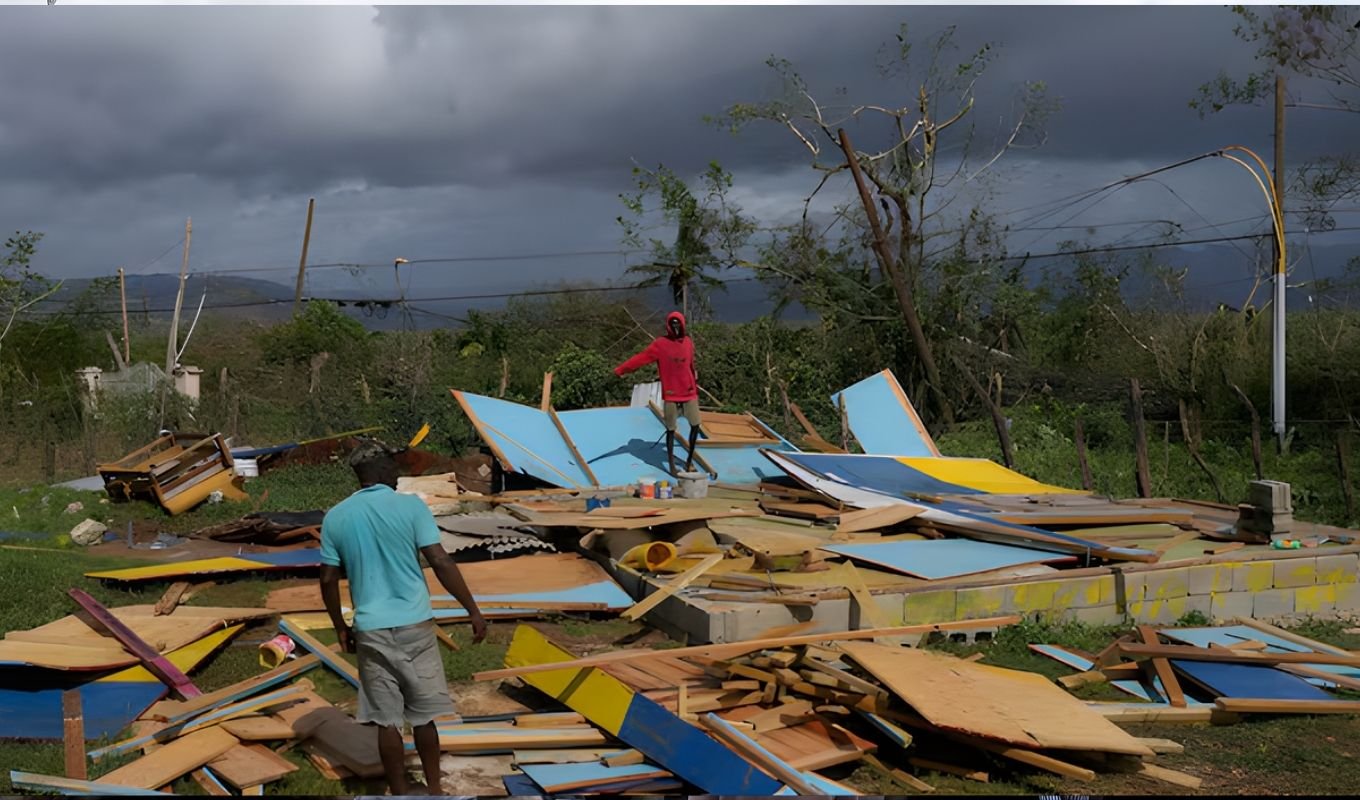
The World Bank has confirmed that the Government of Jamaica will receive a full payout of $150 million under its catastrophe insurance coverage, backed by a 2024 catastrophe bond issued through the International Bank for Reconstruction and Development (IBRD). The payout comes in the aftermath of Hurricane Melissa, which struck Jamaica earlier this month.
An independent third-party calculation agent, AIR Worldwide, verified that Hurricane Melissa met the pre-agreed parametric triggers required for a full redemption of the catastrophe bond. The assessment relied on objective criteria, including the storm’s central pressure and trajectory, using data from the U.S. National Hurricane Center. These parameters were embedded in the bond’s structure to ensure timely and transparent payouts in the event of qualifying natural disasters.
Jamaica first accessed catastrophe insurance protection through a World Bank-issued bond in 2021, specifically designed to cover named storm events. The coverage was renewed and expanded in 2024 with a new $150 million catastrophe bond issued for a term of 3.67 years, continuing to provide dedicated financial protection against the country’s most significant hurricane-related risks.
Jorge Familiar, World Bank Vice President and Treasurer, emphasized the significance of the payout, noting that it demonstrates the effectiveness of catastrophe bonds in transferring disaster risks to capital markets. “This payout underscores how catastrophe bonds can serve as a rapid, reliable, and efficient financial tool for countries to manage disaster risk and strengthen resilience,” Familiar said.
Analysts had anticipated the bond would be triggered following Hurricane Melissa, highlighting the growing importance of parametric insurance instruments in reducing the financial burden of natural disasters on vulnerable nations. Such bonds allow payouts to be executed quickly based on objective storm metrics, bypassing lengthy claims assessments and providing governments with immediate liquidity to respond to crisis situations.
The catastrophe bond forms part of the World Bank’s broader Crisis Preparedness and Response toolkit, which is designed to help developing countries prepare for and respond to natural and man-made shocks. By leveraging capital markets in this way, the World Bank enables countries like Jamaica to secure timely financial support when disasters strike, reducing reliance on emergency funding and enhancing overall disaster resilience.
The $150 million payout will provide Jamaica with the resources needed to support recovery and reconstruction efforts, helping communities affected by Hurricane Melissa rebuild and restore essential services. With climate-related risks increasing globally, instruments like catastrophe bonds are becoming a crucial component of disaster management strategies for countries exposed to hurricanes, floods, and other extreme events.
In summary, Jamaica’s receipt of the full payout from the 2024 World Bank catastrophe bond illustrates the effectiveness of parametric insurance in providing rapid, reliable financial support. The mechanism offers transparency, speed, and certainty, allowing governments to respond efficiently to disasters while strengthening long-term resilience against future risks.