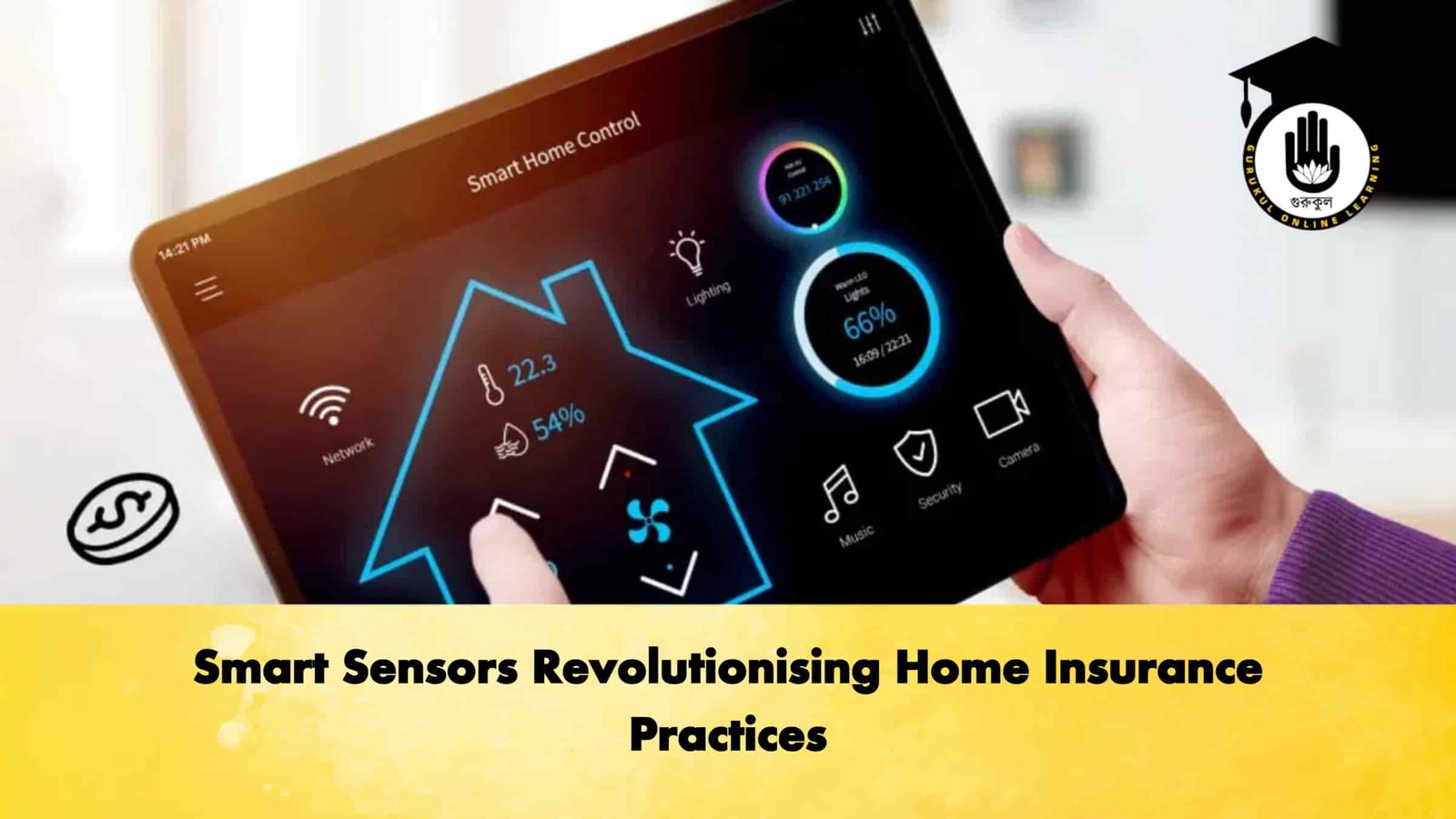
For decades, homeowners’ insurance has primarily focused on responding to losses after they occur. Pipes burst, washing machine hoses fail, or water heaters leak – and it is only then that coverage comes into play. However, the emergence of affordable smart sensors and connected home technology is transforming the industry, allowing insurers and policyholders to prevent many of the most costly and disruptive incidents before they happen.
Water damage remains the single most common and expensive non-weather-related claim in personal lines insurance. The average water-related loss now exceeds $15,000, a figure that continues to climb as modern homes become more complex, featuring multiple bathrooms, second-floor laundries, and smart appliances with built-in water lines. Despite the rising risk, most homeowners remain reactive, addressing prevention only after a loss has occurred – creating a strategic opportunity for insurance agents to add tangible value.
How Smart Sensors Are Changing Risk Management
Smart sensors, a subset of the Internet of Things (IoT), are revolutionising risk management. These devices detect potential hazards, such as leaks, excess humidity, or freezing conditions, and alert homeowners via smartphones. Some insurers integrate sensor data into loss control and claims processes, enabling early intervention to mitigate damage. Others analyse anonymised sensor information to refine underwriting, improve risk assessment, and enhance claims efficiency.
This represents a fundamental shift from reactive insurance protection to proactive prevention, ultimately reducing losses, lowering costs, and improving the overall customer experience.
Key Types of Smart Water Protection Devices
| Device Type | Function | Benefits | Typical Cost Range |
|---|---|---|---|
| Point-of-Leak Sensors | Placed near appliances and fixtures; detect leaks immediately | Quick alerts to prevent floods | Low |
| Whole-House Water Monitors | Installed on main water lines; track usage and detect anomalies | Dashboard monitoring; identifies hidden leaks | Medium |
| Automatic Shutoff Systems | Automatically closes water valve when abnormal flow detected | Prevents major damage even when homeowners are away | High |
Despite their proven effectiveness, adoption of smart sensors remains limited. Surveys indicate that more than 50% of homeowners install detection or shutoff devices only after experiencing a water-related loss. Barriers include lack of awareness, installation concerns, and misconceptions regarding cost.
Independent agents play a pivotal role in bridging this knowledge gap. By educating clients during policy reviews, agents can emphasise that these devices are often affordable, easy to install, and may qualify for premium discounts. Doing so not only prevents losses but also strengthens trust and positions agents as forward-thinking advisors capable of combining traditional insurance expertise with modern risk management strategies.
The future of personal lines insurance is increasingly prevention-driven. By leveraging smart sensor technology, insurers and homeowners can proactively safeguard homes, reduce claims, and foster stronger client relationships – ultimately turning insurance from a reactive safety net into a proactive tool for household security.