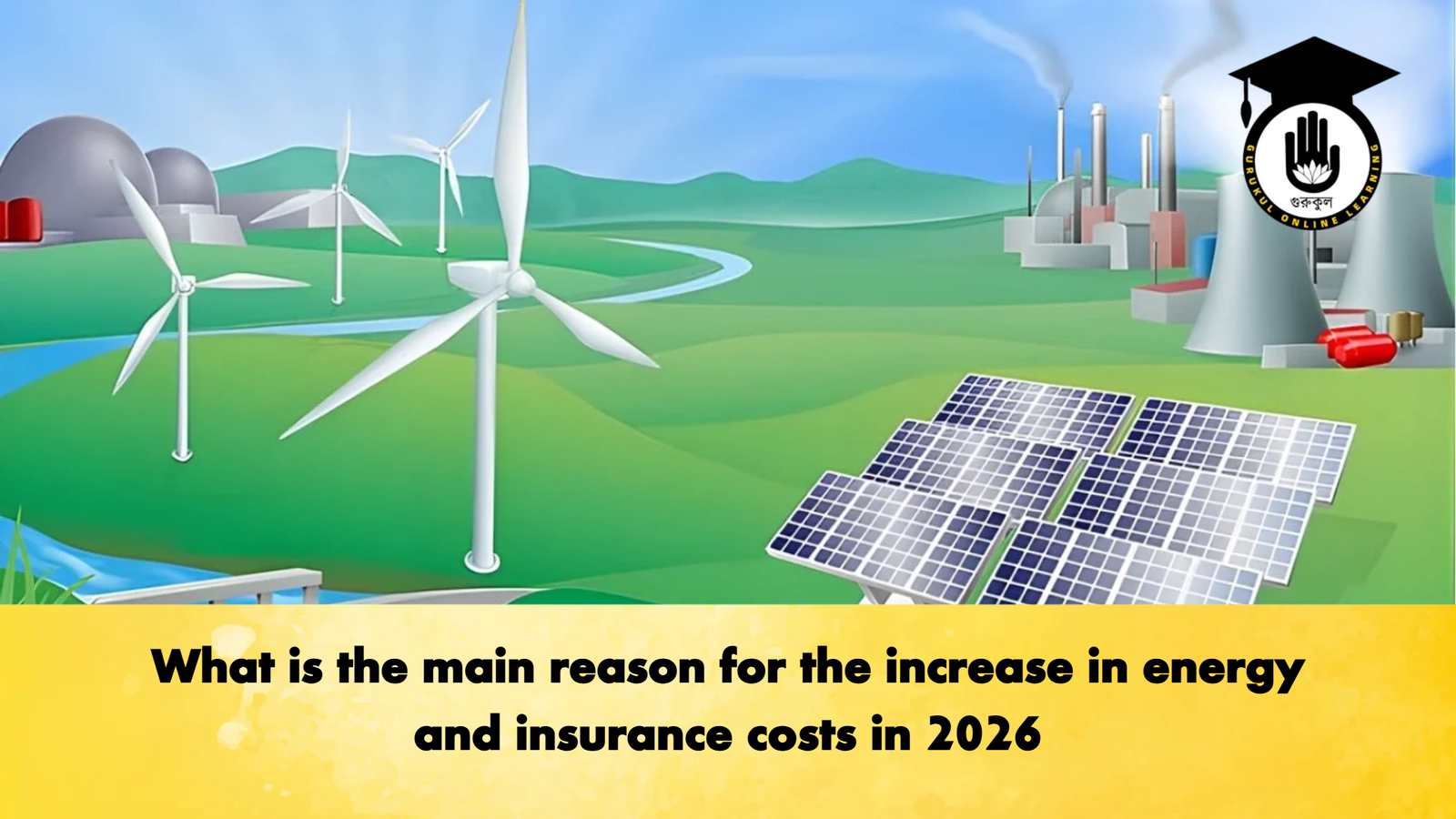
As 2026 approaches, two pivotal factors are poised to dominate household finances and the commercial sector worldwide: electricity costs and insurance coverage. The latest report, Moody’s Sustainable Finance 2026 Outlook, published from Dubai, highlights that the global energy transition is no longer just an environmental imperative. It has become a pragmatic response to rising energy demand, the rapid expansion of data centres, widespread electrification, and escalating costs linked to extreme weather events.
The report stresses that energy policy has now reached a stage where cost efficiency and emission reduction goals must be pursued with equal urgency. While wind and solar power remain cost-competitive across many markets, the demand for reliable fossil-fuel sources continues, particularly in regions where digital infrastructure, cooling requirements, and emerging-market growth are driving increased energy consumption.
Sectoral Energy Demand and Policy Outlook (2026 Forecast)
| Region | Primary Energy Source | Policy/Challenge | Goal/Adjustment |
|---|---|---|---|
| United States | Natural Gas, Low-Carbon | Additional generation to meet AI-driven demand | Maintain supply security |
| Asia-Pacific | Coal, Renewables | Rapid renewable energy deployment | Align supply with rising demand |
| Europe | Renewables, Carbon Limits | Reduced mandatory reporting in certain sectors | Balance competitiveness and cost |
The report also highlights a growing “protection gap” in insurance. Economic losses from natural disasters reached $135 billion in the first half of 2025, yet only 59% of this was covered by insurance. As a result, insurers are increasingly raising premiums, limiting coverage, or exiting certain high-risk markets altogether.
Water and natural-resource risks are also coming to the fore. In water-stressed regions, data centres’ water consumption and stricter regulatory frameworks present new challenges. Similarly, the food and beverage sector faces rising input costs due to climate and water-related risks, potentially driving up consumer prices.
Furthermore, AI-driven energy demand is reshaping electricity consumption patterns and policy frameworks. Global investment in the energy transition exceeded $2 trillion in 2024, yet by 2030, the annual investment shortfall is projected to reach approximately $2.7 trillion.
Looking ahead to 2026, electricity costs, insurance capacity, and AI-driven demand are expected to converge, influencing household expenditure and corporate debt strategies. Adaptive spending and credible energy transition plans will emerge as key differentiators in both household and business economic resilience.