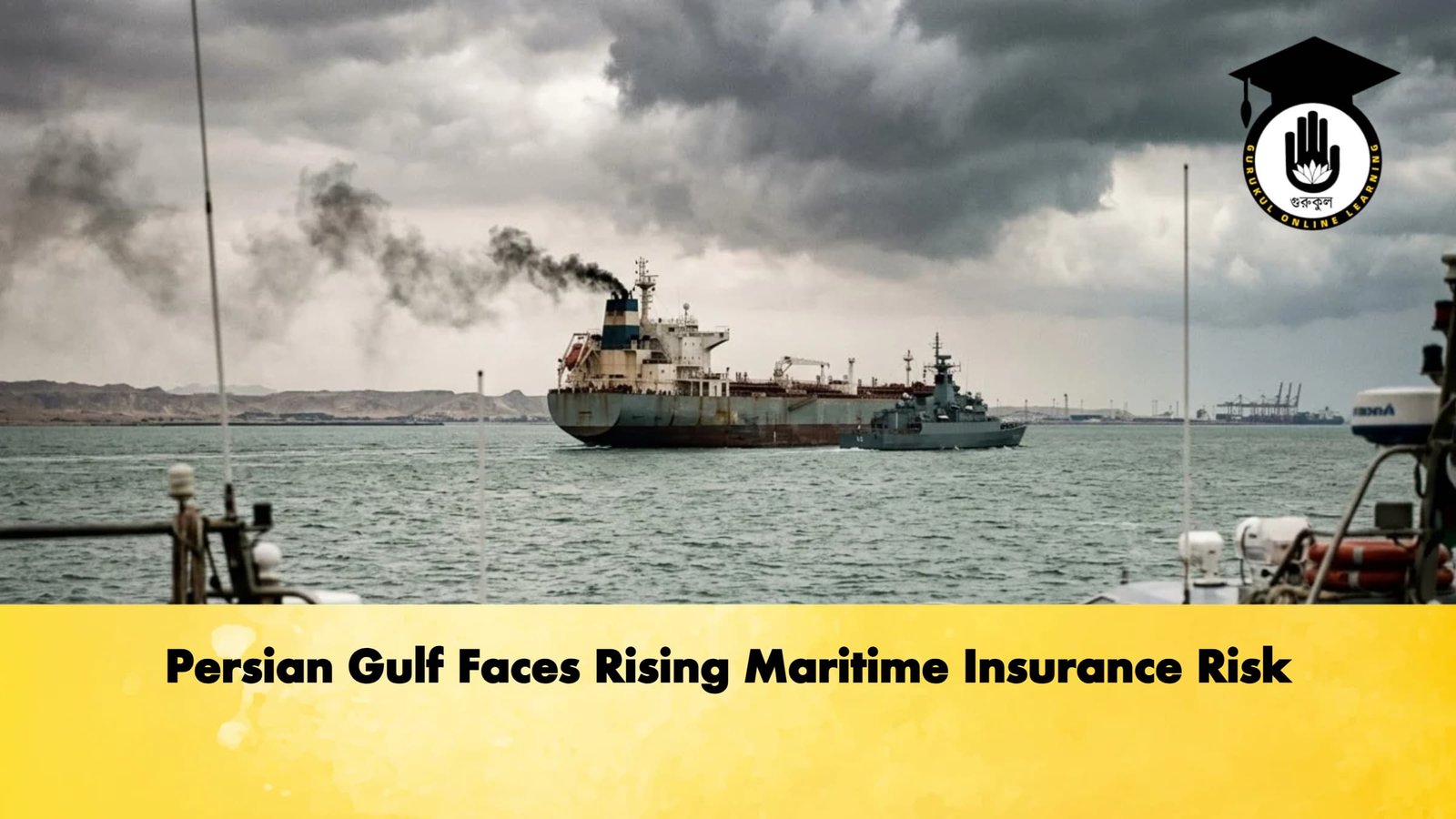
The escalating geopolitical tensions in the Middle East have prompted a wave of withdrawals of war risk insurance coverage for vessels navigating the Persian Gulf, sparking fresh concerns within the international insurance sector. Credit rating agency Fitch Ratings has warned that the situation could heighten potential credit risks, particularly for U.S.-based marine insurers.
According to Fitch, U.S. property and casualty insurers that rely heavily on premiums from shipping activities in the Gulf are likely to face the greatest financial pressure. In contrast, global reinsurance firms with diversified business models and only a small portion of income exposed to maritime war risk are expected to experience comparatively limited impacts.
Drivers of the Crisis
The current predicament stems primarily from ongoing military tensions in the region, which have significantly increased security risks along crucial maritime routes such as the Persian Gulf and the Strait of Hormuz. Approximately 20 per cent of the world’s oil supply and substantial volumes of liquefied natural gas transit through these waterways. In addition, nearly 30 per cent of global nitrogen fertiliser trade passes through this corridor. Any disruption to these routes could trigger substantial shocks not only to the insurance sector but also to global energy and trade markets.
Insurance analysts estimate that vessels worth roughly $22.5 billion are currently exposed to risk in the Persian Gulf. Should multiple large oil tankers or cruise ships suffer total loss, the global insurance industry could incur losses exceeding $5 billion.
Rising Premiums and Market Strain
Many insurers have either cancelled or curtailed war risk policies in the region. As a result, shipowners are compelled to purchase new coverage at premiums several times higher than before. In certain instances, additional premiums amount to nearly 1 per cent of a vessel’s value, translating into hundreds of thousands of dollars in extra costs per voyage.
In response, the U.S. government has announced a special reinsurance programme designed to provide up to $20 billion in financial protection. The initiative aims to maintain commercial shipping operations and limit potential losses for insurance providers.
Key Financial Indicators
| Indicator | Approximate Value |
|---|---|
| Value of vessels at risk in the Persian Gulf | $22.5 billion |
| Potential global insurance industry loss | Over $5 billion |
| Global oil supply passing through Strait of Hormuz | 20% |
| Global nitrogen fertiliser trade via Gulf routes | 30% |
| Proposed U.S. reinsurance support | $20 billion |
Outlook and Uncertainties
Experts note that the true impact over the next 12 months will hinge on two factors: the duration of the conflict and the length of disruptions to shipping operations. Prolonged tensions could increase the risk of vessel detention, loss, or seizure, placing significant strain on insurers’ earnings and capital management.
Nevertheless, analysts suggest that well-capitalised international reinsurers with diversified portfolios are relatively well-positioned to withstand the crisis. If the situation stabilises over the long term, market equilibrium may be restored. For now, however, the Persian Gulf war risk insurance shortage represents a major uncertainty for global maritime trade.