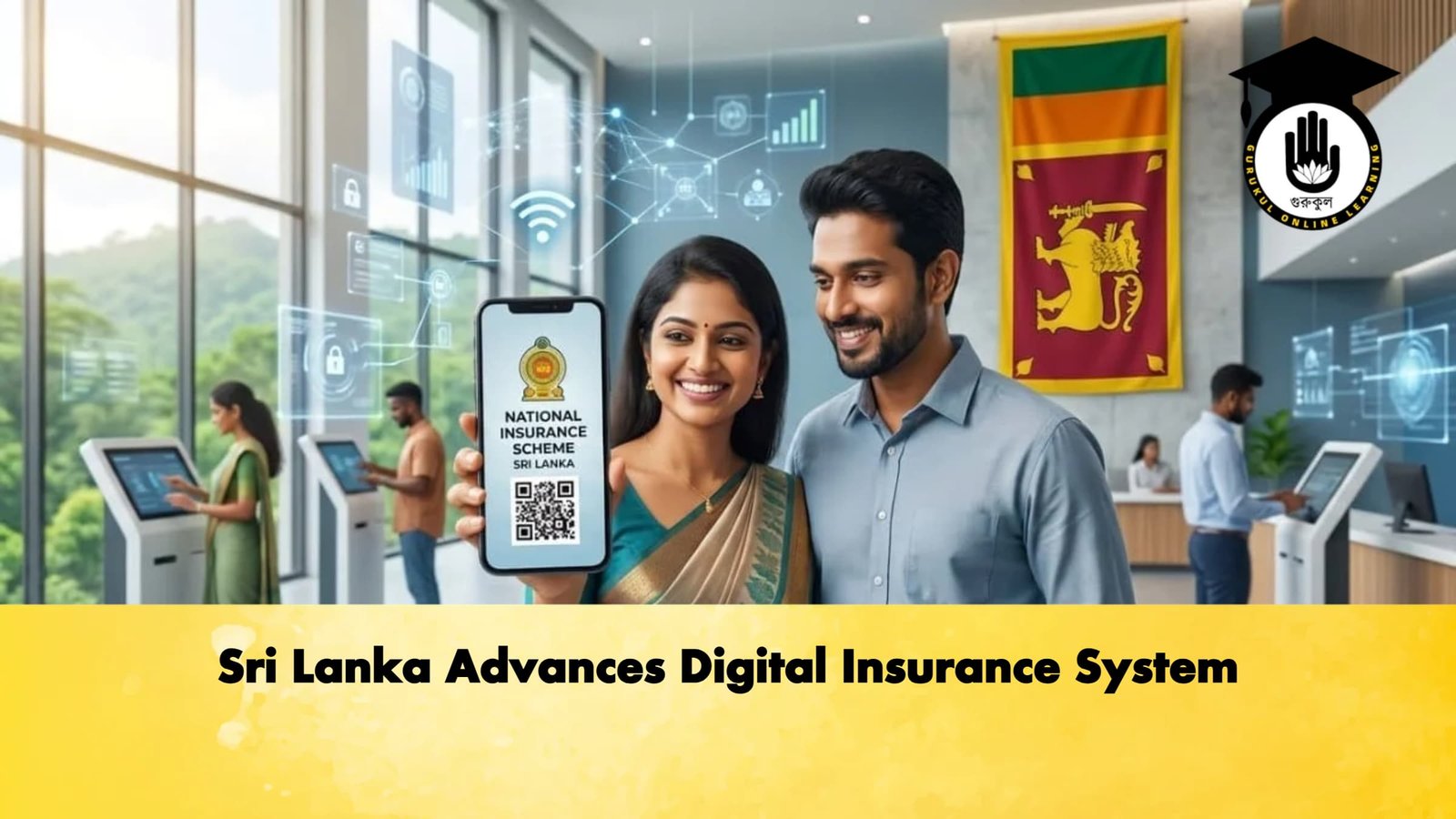
Sri Lanka is moving decisively towards modernising its insurance sector with the development of a national insurance information system, government officials have confirmed. Dr Ajith Ravindra de Mel, Chairman of the Insurance Regulatory Commission of Sri Lanka, revealed the initiative during a media briefing in Colombo, providing an overview of the previous year’s achievements and outlining future plans for the sector.
At the briefing, Dr de Mel highlighted the forthcoming introduction of a digital motor insurance card for vehicle owners. This card is expected to replace traditional paper-based documentation, allowing motorists to access and verify their insurance details conveniently online. The move is part of a broader effort to digitise the insurance ecosystem, enhance transparency, and streamline administrative processes.
Dr de Mel also noted that Sri Lanka currently has 29 registered insurance companies, and the government has implemented a series of regulatory measures to ensure these firms operate in compliance with international standards. These regulations aim to protect policyholders, strengthen market stability, and foster public confidence in the insurance sector.
In support of these initiatives, President Anura Kumara Dissanayake emphasised the government’s commitment to building a technology-driven economy. Speaking at a related event, he urged the business community to actively participate in these reforms, seizing new opportunities to enhance national economic growth. He stressed that the administration is fully prepared to provide the necessary support to implement these initiatives and reclaim economic opportunities that were previously lost as Sri Lanka lagged behind global developments.
The government’s strategy reflects a vision to leverage science and technology for economic revitalisation, with digital transformation seen as a key driver for both public and private sector efficiency.
The following table summarises the key aspects of Sri Lanka’s current insurance sector and digital initiatives:
| Aspect | Details |
|---|---|
| Registered Insurance Companies | 29 |
| National Insurance Information System | Under development |
| Digital Motor Insurance Card | Planned rollout |
| Regulatory Authority | Insurance Regulatory Commission of Sri Lanka |
| Strategic Aim | Economic growth via science and technology |
Experts suggest that introducing a digital motor insurance card and a unified information system will not only improve operational efficiency but also enhance policyholder protection. These initiatives are expected to reduce fraud, simplify claims processing, and provide regulators with real-time data to monitor market trends.
The government’s push for digitisation represents a broader commitment to modernising Sri Lanka’s public services and creating a more competitive, resilient economy. By integrating advanced technology into the insurance sector, authorities hope to ensure long-term sustainability, strengthen governance, and foster public trust.
As Sri Lanka continues on this path, collaboration between regulators, insurers, and the business community will be crucial to the successful implementation of these reforms, positioning the nation at the forefront of digital innovation in South Asia.