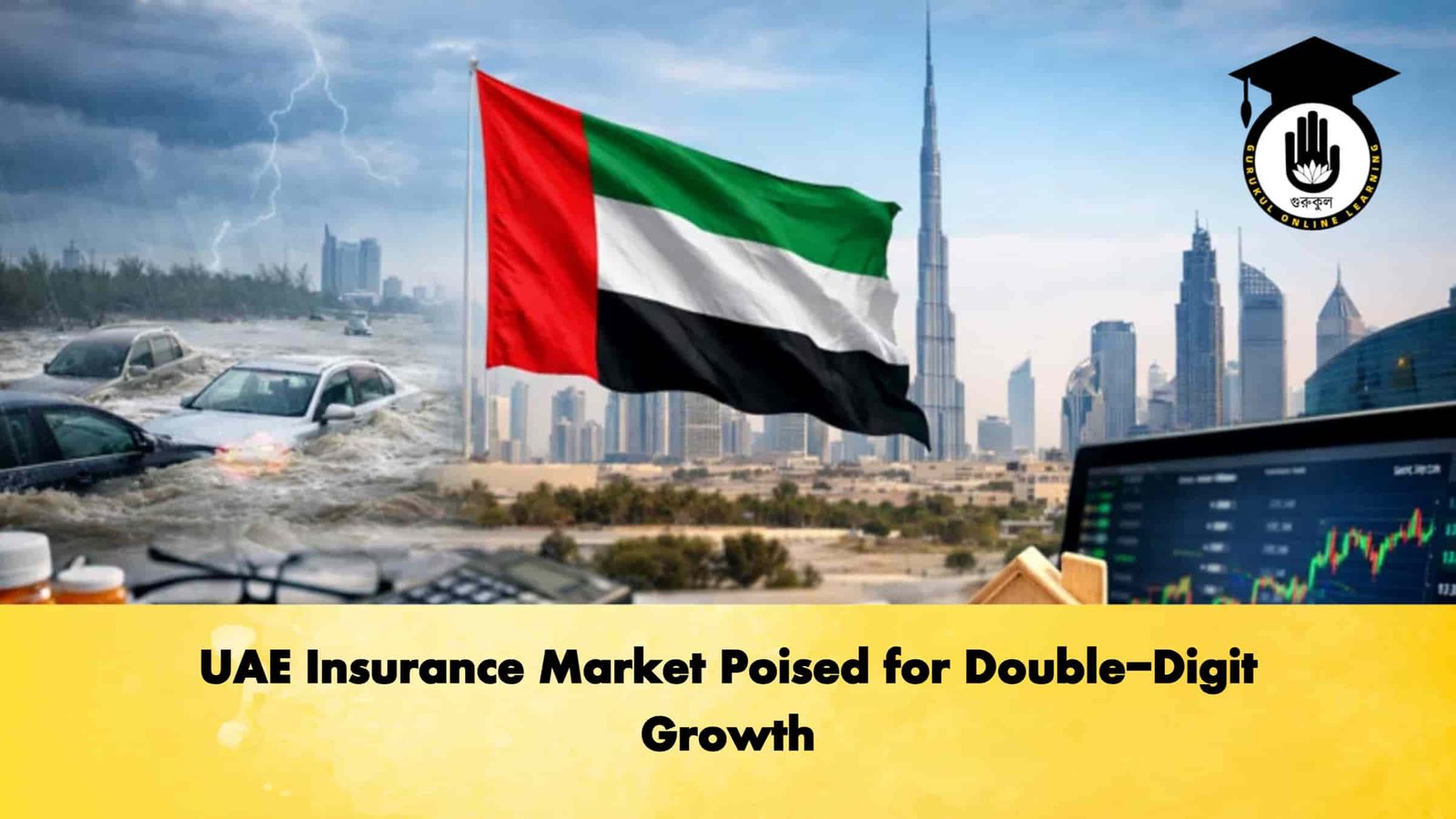
The insurance sector in the United Arab Emirates is currently on a rapid expansion trajectory, with industry insiders and analysts projecting sustained double-digit growth over the coming years. Valued at approximately 64 to 65 billion dirhams in gross written premiums, the market benefits from economic diversification, mandatory health and motor insurance schemes, and a robust regulatory framework, which together provide a solid foundation for growth. However, structural challenges persist alongside these positive trends.
Key Sectors and Growth Drivers
Health insurance represents the largest segment of the UAE insurance market. Mandatory coverage in Dubai and Abu Dhabi has ensured that the majority of residents are protected. The government’s ‘Essential Benefits Plan’ for lower-income workers has further strengthened social protection mechanisms.
Motor insurance is another significant contributor. With third-party coverage being compulsory, nearly all vehicles are insured, while an increasing number of policyholders are opting for comprehensive coverage.
The expansion of digital platforms has made premium comparisons easier, increased competition, and enhanced pricing transparency. Yet, relatively high premiums for young drivers remain a pressing challenge.
Emerging Risks and Challenges
Medical inflation, currently ranging between 11–12%, is driving up claim costs and forcing insurers to adjust premiums. Over time, this could place additional financial pressure on consumers.
The severe floods of 2024 served as a stark test for the UAE insurance sector, causing estimated financial losses of between 2.9 and 3.4 billion dollars. The events highlighted that climate risk is not merely a future concern but an immediate financial reality. Consequently, robust reinsurance structures, advanced risk modelling, and climate-sensitive policies have become essential.
New Opportunities
Beyond traditional segments, demand is rising for cyber insurance, liability coverage, and life insurance. The growing digital economy, corporate data risks, and increasing business complexity have made cyber insurance particularly important. Simultaneously, heightened corporate awareness is driving demand for liability coverage.
Technology and Market Infrastructure
Digital transformation has streamlined claims settlement and improved transparency. However, high investment costs in technology remain a significant challenge for smaller and mid-sized insurers. The UAE Central Bank’s strict oversight, transparent regulations, and capital adequacy requirements have reinforced market confidence.
Market Overview
| Sector | Key Features | Challenges |
|---|---|---|
| Health Insurance | Mandatory coverage, Essential Benefits | Medical inflation, rising claim costs |
| Motor Insurance | Third-party mandatory, Comprehensive | High premiums for young drivers |
| Cyber Insurance | Digital risks, corporate data | New risk models, investment needs |
| Liability Coverage | Increasing corporate awareness | Risk management, premium adjustments |
| Life Insurance | Growing demand | Long-term financial pressure |
In summary, the UAE insurance market is both promising and structurally resilient. With prudent risk management, cost control, and strategic investment in technology, it is set to become one of the Middle East’s most stable and robust financial sectors. Industry analysts assert that a balance of sound policy frameworks and modern technological adoption will be key to ensuring sustainable, long-term growth.