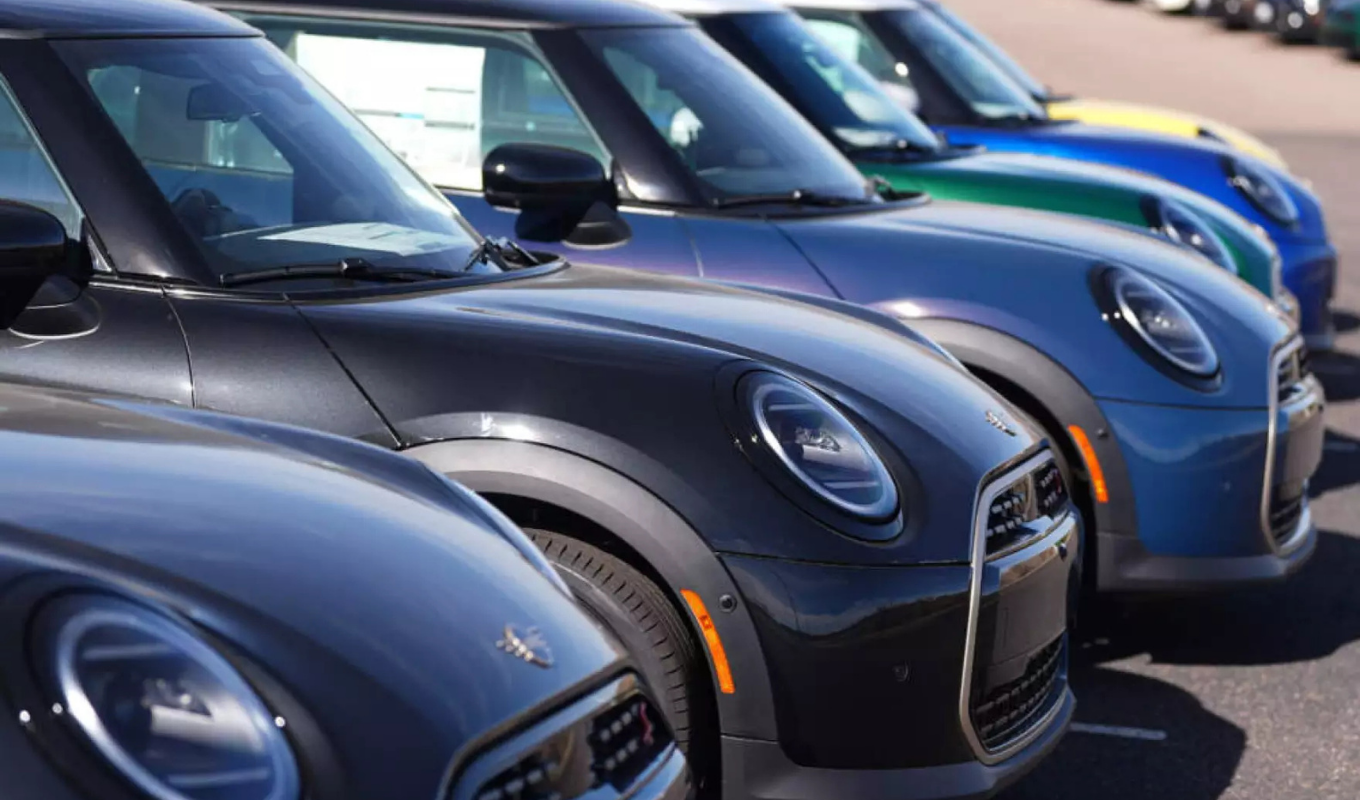
Car insurance premiums in the United States have risen dramatically in recent years. According to the Bureau of Labor Statistics, the cost of average car insurance policies has surged by 55% over the last three years.
Mark Fitzpatrick, a licensed property and casualty insurance producer and personal finance expert at MoneyGeek, explains the reasons behind these price hikes and offers tips on how drivers can save money.
6 Questions with Mark Fitzpatrick
1. The average cost of a new car in America is now about $50,000. Is this driving the rise in insurance prices?
“Absolutely. When you have an accident, especially one involving property damage, insurance is there to cover the cost of repairs or replacement. The higher the cost of a vehicle, the higher the potential cost of repairs. Since the COVID-19 pandemic, with disruptions in supply chains, car repair costs have gone up. Unlike other goods, these costs haven’t decreased as the economy has stabilised. Moreover, modern cars are packed with technology, making repairs more expensive. All of this contributes to the rising cost of insurance as insurers adjust rates to reflect the increased risk of high repair costs.”
2. Is the rise in healthcare costs also impacting car insurance premiums?
“Yes, absolutely. Healthcare costs are directly tied to the liability side of insurance, which covers bodily injury. If you’re at fault in an accident and cause injury to another person, your insurer is responsible for covering medical expenses. As healthcare costs continue to rise, insurance companies have to account for these increased expenses. Since insurers work with thin margins, rising healthcare costs force them to raise premiums to balance their books, which in turn leads to higher rates for everyone.”
3. What other factors are contributing to the rising costs of car insurance?
“I would break it down into personal risk factors and institutional regulations. On the personal side, insurers assess the risk of each driver. If you’re a 16-year-old driver, for example, insurance companies predict you’re more likely to be involved in an accident, so they charge higher premiums. Insurers also use credit-based insurance scores to assess risk, meaning that people with poorer credit histories may be charged higher rates than those with better credit scores.
“In terms of institutional factors, the regulatory environment differs by state. For example, Massachusetts, with its no-fault insurance system, tends to have lower rates, whereas states like Florida, with a tort system, often experience higher premiums. The no-fault system was initially designed to reduce legal costs and speed up claims, but it has also led to significant fraud and abuse, which drives up prices for everyone.”
4. What is the current average cost of car insurance?
“At MoneyGeek, we estimate the average cost of a full-coverage car insurance policy at around $2,500 annually for a 40-year-old driver with a clean driving record. However, there can be significant variation. For example, in Florida, the same driver might pay over $3,000, while in Vermont, the cost could be as low as $900. Even within the same state, costs can vary significantly. A driver in a rural area with low traffic and fewer car thefts may pay far less than someone living in a busy urban centre like Miami, where the risk of accidents is much higher.”
5. Can insurers simply charge whatever they want? Are there regulations to prevent price gouging?
“It depends on the state. Some states have what’s called a ‘file-and-use’ system, where insurers are required to file their rate changes publicly. While they must justify these increases, the state regulatory body only needs to approve or reject them after the rates are implemented. In other states, insurers must get prior approval before raising premiums. However, if insurers can’t raise rates to cover costs, they may leave the state altogether, which could result in fewer insurers, less competition, and ultimately higher premiums for everyone.”
6. Do you have any advice on how to shop around for better insurance rates?
“Yes, absolutely. First, check out rate comparison websites and input your details to get an estimate of your premiums from different insurers. Be sure to take advantage of all available discounts—many insurers offer reductions for things like bundling home and auto insurance, having a clean driving record, or driving a car with certain safety features.
“Consider using an insurance broker, especially if you’re looking for the best deal. Brokers have access to a range of options and can help you find the best rates based on your personal situation. It may take a bit of time, but comparing policies could save you hundreds of pounds over the course of a year.”