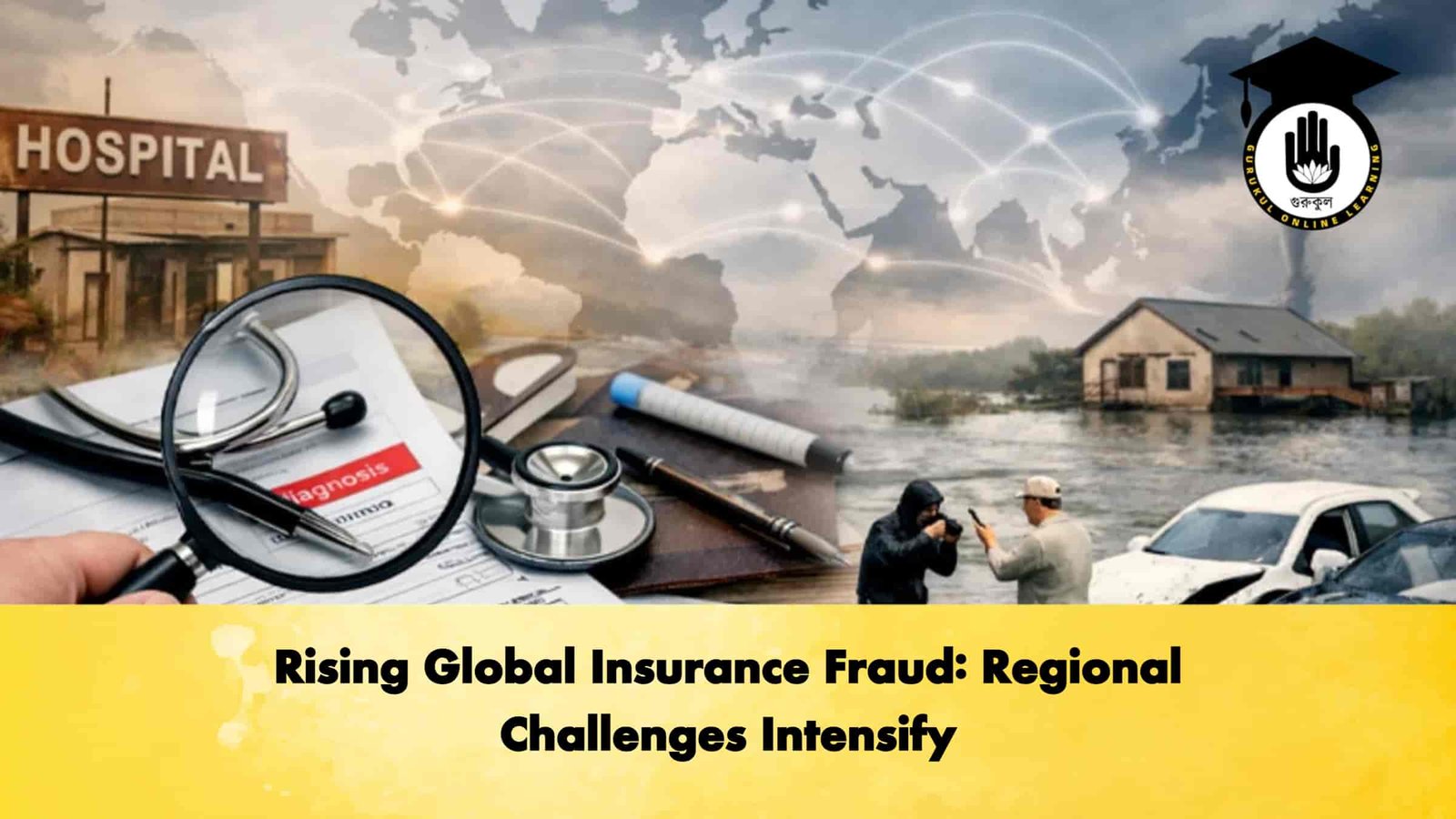
Insurance fraud worldwide is evolving rapidly, becoming more sophisticated, faster, and increasingly transnational. While the methods vary across regions, the trend is clear: fraudsters are exploiting administrative weaknesses, economic pressures, and natural disasters to manipulate insurance systems.
Experts highlight that claimants often use foreign documents or information to substantiate claims, which are difficult to verify. In parts of Africa, for instance, hospital records often require in-person verification due to the absence of centralised digital databases. This increases both the time and cost of validation, creating opportunities for fraudulent claims to slip through.
Globally, common types of insurance fraud include staged deaths or illnesses, exaggerated damage claims, forged documentation, and health-related fraud linked to life insurance policies. However, the manifestation of these frauds varies according to the social, economic, and regulatory environment of each region.
Environmental changes and severe natural disasters further exacerbate risks for insurers. As climate change intensifies, many insurance companies are reassessing reinsurance policies in high-risk markets. In such regions, assessing risk and detecting potential fraud has become increasingly difficult, sometimes making insurance operations less profitable.
In Australia, areas prone to cyclones and flooding have experienced significant increases in claims, forcing insurers to raise premiums or withdraw coverage in certain regions. For example, in North Queensland, some insurers exited the market entirely, creating new risk exposures for local residents.
The absence of adequate insurance protection can also drive individuals towards fraudulent behaviour. Some file claims for non-existent losses, while others exaggerate actual damages. Organised fraud rings may stage incidents to illicitly secure insurance payouts.
Mexico faces a distinct set of challenges. The combination of a large informal economy and public distrust of governmental institutions has created social tolerance for insurance fraud. Weak law enforcement and judicial inefficiencies mean many perpetrators face minimal consequences, reinforcing a culture of deception. High inflation and unemployment further incentivise exaggerated claims or staged accidents.
According to the Mexican Association of Insurance Institutions (AMIS), at least 30% of insurance fraud in Mexico involves staged road accidents, known locally as montachokes. These incidents typically involve orchestrated collisions, sudden braking, or coordination with motorcyclists or pedestrians to claim quick cash settlements. Recent reports indicate a 15% rise in such incidents, particularly in Mexico City, State of Mexico, Jalisco, and Nuevo León.
Experts emphasise that insurance fraud is constantly evolving, requiring insurers to modernise prevention strategies. Enhanced staff training, real-time data analytics, artificial intelligence, predictive modelling, and partnerships with third-party investigators are critical. International investigation firms such as Pinkerton assist insurers by verifying claims on the ground, significantly reducing the risk of fraudulent documentation and deceitful claims.
Ultimately, global cooperation, advanced technology, and robust investigative frameworks are essential to curb the growing threat of insurance fraud.
Regional Insurance Fraud Patterns
| Region | Common Fraud Types | Key Drivers | Notable Challenges |
|---|---|---|---|
| Africa | Forged hospital records, false claims | Limited digital records, remoteness | High cost and time for verification |
| Australia | Exaggerated disaster claims | Cyclones, floods, climate change | Premium hikes, coverage withdrawal |
| Mexico | Staged road accidents (montachokes) | Informal economy, weak enforcement | Social tolerance, judicial inefficiency |
| Global / General | Life insurance and health fraud | Economic pressure, cross-border fraud | Sophistication, speed, and international reach |