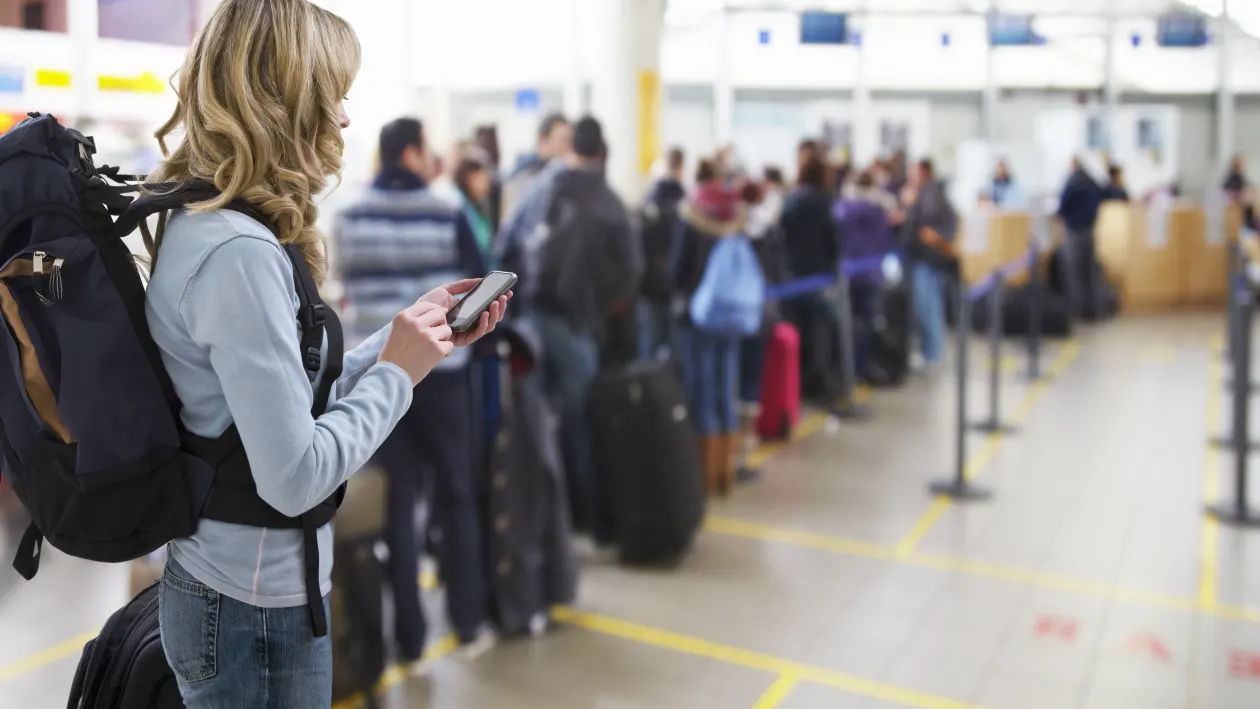
As the US government shutdown drags on, more travellers are purchasing insurance — but experts warn these policies offer limited protection and often exclude disruption directly caused by the political impasse.
According to comparison site Squaremouth, travel insurance quotes rose 8.5% year-on-year between 1 and 27 October, with sales up 7.9%, as consumers sought cover against potential flight chaos. However, insurers caution that coverage depends heavily on policy details and timing of purchase.
The shutdown, now the second-longest in US history, has forced air traffic controllers and TSA staff to work unpaid, increasing risks of staff shortages and airport delays. Flight disruptions have already risen, while airlines warn of worsening congestion as the standoff continues.
“Travel insurance is designed for unforeseen events,” said Chrissy Valdez, senior director of operations at Squaremouth. “But a government shutdown is now a foreseeable circumstance, meaning policies bought after 1 October may exclude related claims.”
Travellers who miss flights due to longer security queues or staff shortages are unlikely to be covered. However, indirect claims may be possible if an airline categorises a delay as a “common carrier disruption” — typically a mechanical or operational issue — allowing reimbursement under certain clauses.
Demand for protection products has climbed across the industry. Hopper, a travel platform, reported a 35% increase in purchases of “disruption assistance” between mid-September and early October, while insurer World Nomads noted a smaller-than-usual seasonal decline in policy sales.
Experts recommend passengers arrive at least three hours before departure and review policy terms carefully. Optional “cancel for any reason” add-ons may offer greater flexibility but typically only refund up to 75% of non-refundable costs and require cancellation at least two days before travel.
With holiday travel approaching, insurers and analysts warn that prolonged disruption could mirror the record 35-day shutdown in 2019, when air traffic controller shortages forced a political resolution after widespread flight chaos.